








Zimbabwe’s participation at the International Maternal and Newborn Health Conference 2026 comes at a time when the country continues to face significant challenges in reducing maternal and neonatal deaths, despite years of policy interventions.
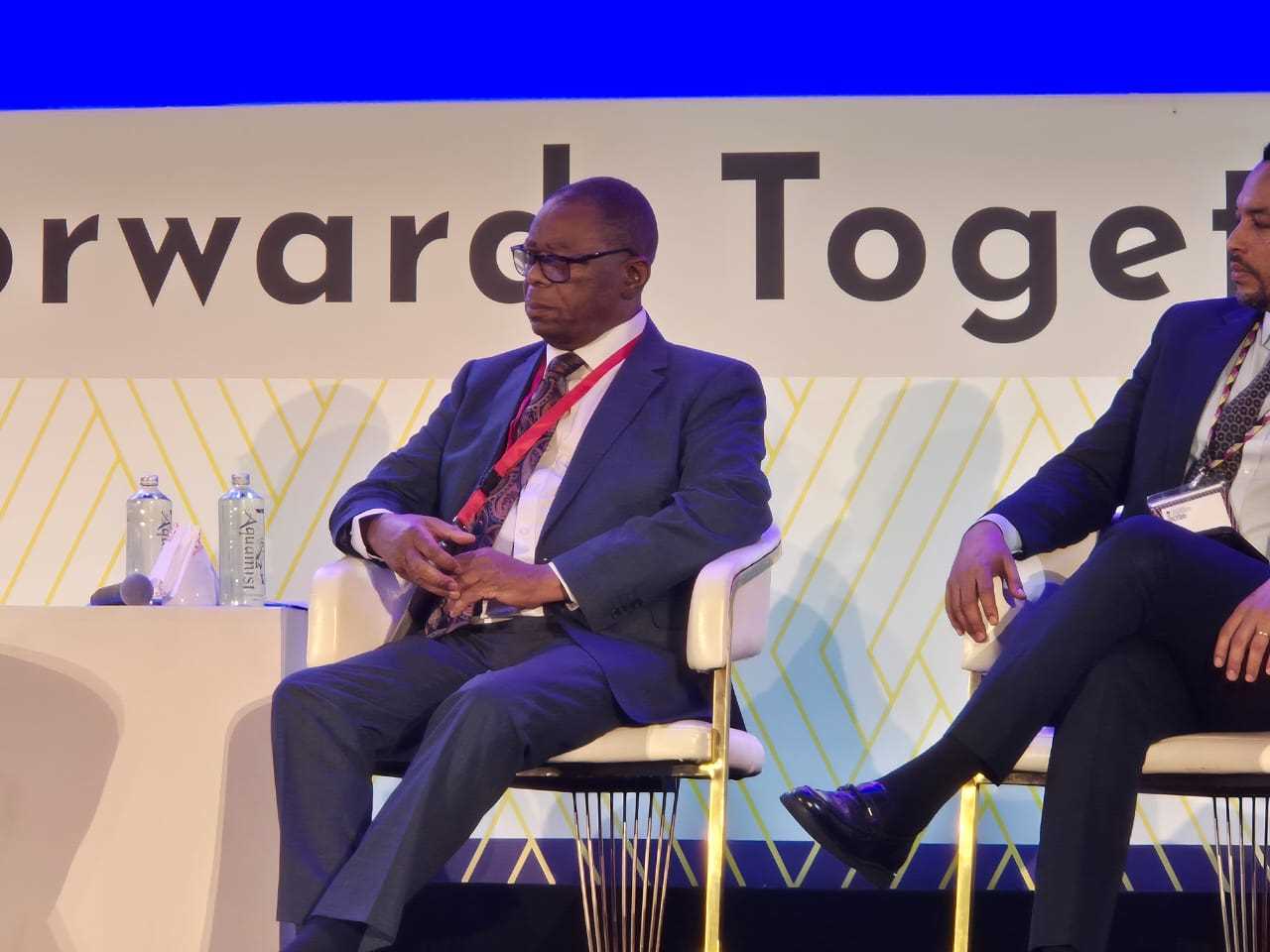
Health Minister Douglas Mombeshora is leading a five-member delegation to the conference in Nairobi, which has brought together more than 1,800 global experts to accelerate progress on maternal and newborn health.
The meeting, convened by AlignMNH in partnership with the Government of Kenya, is focusing on data-driven decision-making, scaling health innovations, and reducing preventable deaths.
While Zimbabwe has recorded progress over the past decade, maternal mortality remains high.
Estimates place the maternal mortality ratio at around 363 deaths per 100,000 live births—still significantly above global targets under the Sustainable Development Goals, which aim to reduce the figure to below 70 per 100,000.
Neonatal mortality has also emerged as a growing concern, with deaths in the first 28 days of life accounting for a large share of under-five mortality.
Related Stories
Health officials have previously acknowledged that improvements in maternal survival have not been matched by similar gains in newborn outcomes.
The conference’s focus on data and innovation highlights a critical gap in Zimbabwe’s health system: the ability to translate policy into consistent, quality care, particularly in rural and under-resourced facilities.
Although the government has expanded primary healthcare and increased institutional deliveries, challenges persist, including shortages of skilled health personnel, limited access to emergency obstetric care, and supply chain disruptions affecting essential medicines and equipment.
Participation in global platforms such as IMNHC offers opportunities to adopt best practices and mobilise partnerships. However, the key constraint remains domestic implementation capacity and financing.
Zimbabwe’s health sector continues to operate under tight fiscal conditions, with public health expenditure below recommended levels, increasing reliance on donor funding for critical programmes such as maternal and reproductive health.
The emphasis on “accelerating action” at the conference underscores the urgency of closing these gaps. Without sustained investment in health systems, workforce support, and infrastructure, gains in maternal health risk stagnating—particularly as population pressures and economic constraints continue to strain service delivery.









Leave Comments