






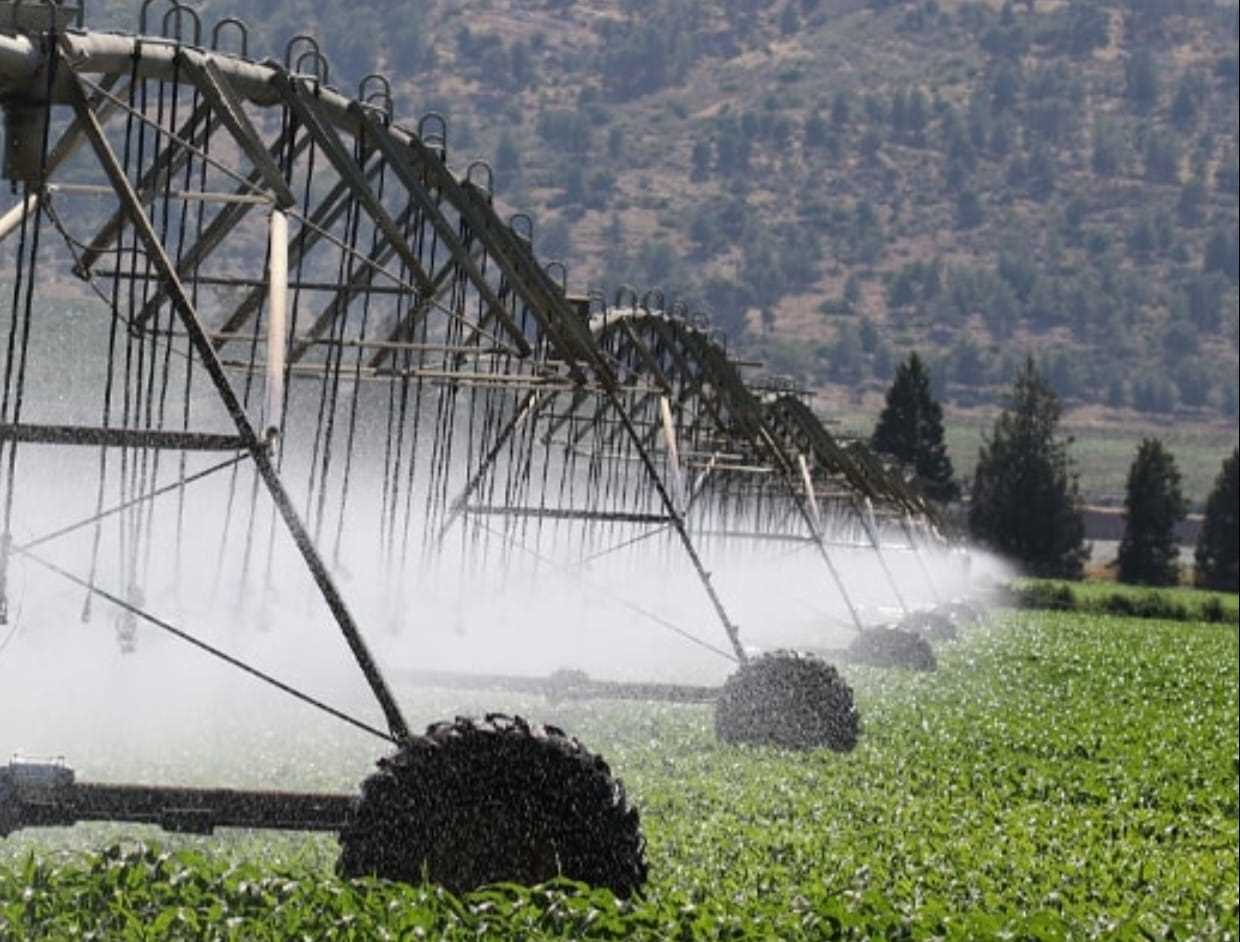
Zimbabwe’s food security strategy is increasingly being reshaped around water governance, signalling a policy shift that places irrigation, storage capacity, and allocation systems at the core of agricultural planning.
Permanent Secretary in the Ministry of Agriculture, Professor Obert Jiri, underscored the central role of water in production, stating: “Water security remains the basis of sustainable development. Strengthening water governance and expanding storage capacity will safeguard national food security and resilience against climate variability.”
These remarks reflect a broader transition in policy thinking, where food production is no longer treated as a standalone agricultural issue, but as one directly dependent on water systems — from dam infrastructure to irrigation efficiency.
Zimbabwe’s agriculture remains highly climate-sensitive, with recurrent droughts and erratic rainfall patterns continuing to disrupt output. Under such conditions, reliance on rain-fed farming is increasingly viewed as a structural risk, particularly for staple crops such as maize and wheat.
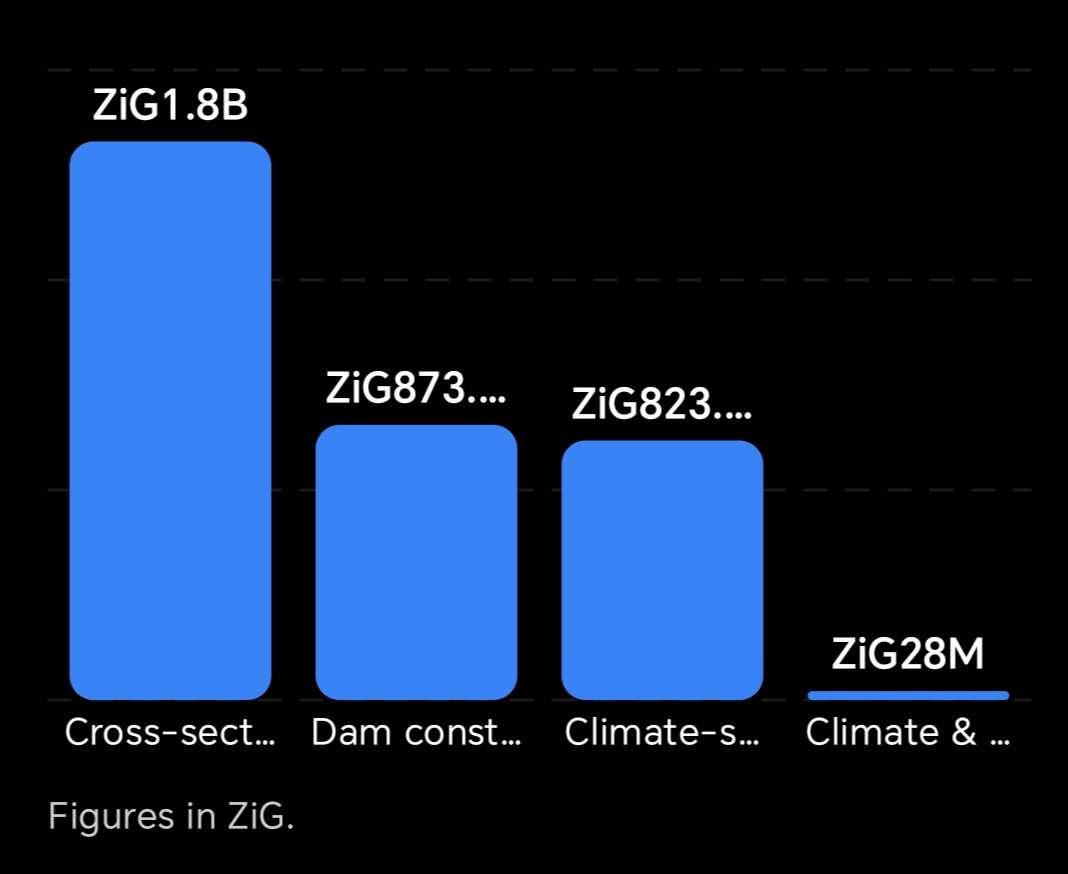
The integration of food security into water policy suggests a shift toward long-term resilience planning. This includes expanding dam capacity, improving water allocation frameworks, and scaling up irrigation systems — areas that have historically faced underinvestment.
Related Stories
Beyond infrastructure, the shift also raises governance challenges. Efficient water allocation between agriculture, urban use, and industry remains a persistent issue, particularly during drought periods. Without clear prioritisation and effective enforcement mechanisms, competition for water resources could undermine productivity gains.
The emphasis on irrigation efficiency is equally critical. While Zimbabwe has invested in irrigation schemes over the years, utilisation rates have often lagged due to high operational costs, energy constraints, and maintenance challenges.
Aligning water policy with energy availability — particularly for pumping and distribution — will be key to unlocking productivity.
The policy direction also aligns with broader climate adaptation strategies. As rainfall variability intensifies, countries across Southern Africa are increasingly shifting toward water-centred agricultural systems, where storage and controlled distribution reduce exposure to weather shocks.
However, expanding storage capacity requires significant capital investment, while effective governance demands strong institutional coordination across ministries responsible for water, agriculture, and energy.
The assertion that “food security planning now sits within water policy” reflects a growing recognition that agricultural resilience is no longer just about inputs and land use, but about how efficiently water — the most critical resource — is managed across the economy.







Leave Comments