








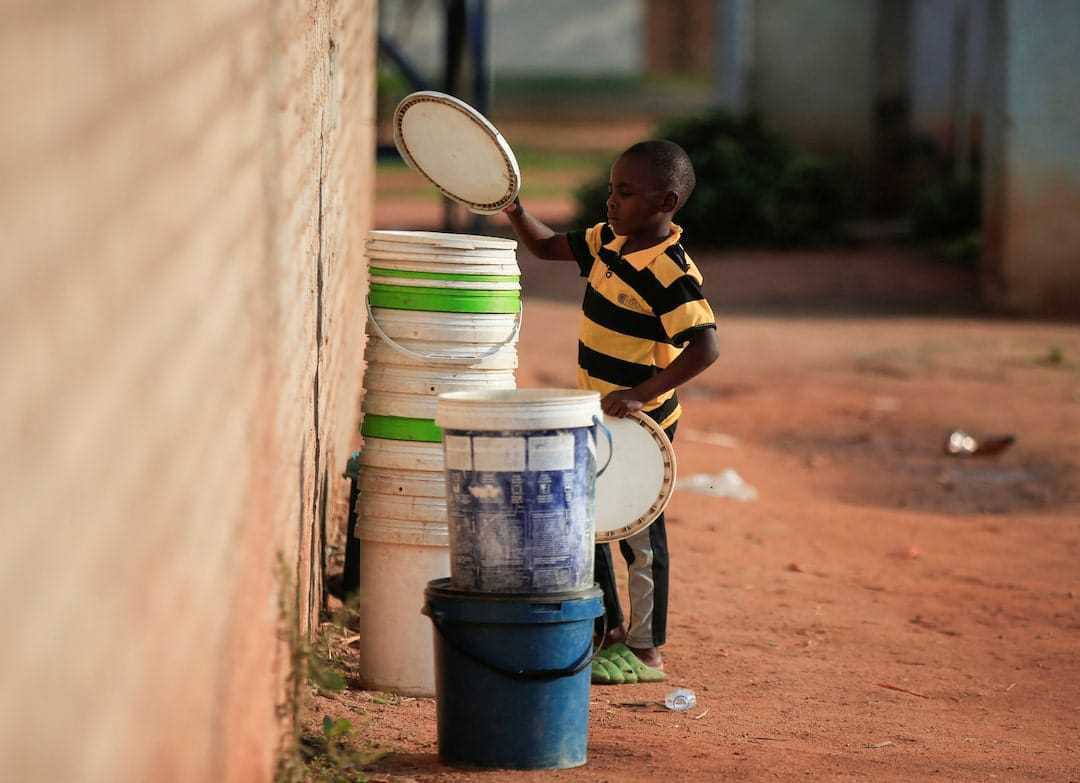
More than seven million children in Zimbabwe are exposed to at least one climate hazard every year, according to data from UNICEF, highlighting the growing impact of climate change on vulnerable communities across the country.
The statistics come as Zimbabwe intensifies efforts to strengthen climate resilience and disaster preparedness to protect children from environmental shocks such as floods, droughts, cyclones and heatwaves.
Carlos Vasquez, Chief of WASH at UNICEF Zimbabwe, said the scale of exposure shows the urgent need for targeted climate adaptation measures.
“Over seven million children face at least one climate hazard annually, while six million are exposed to three or more,” he said.
He said climate-related shocks were increasingly affecting access to essential services including safe water, sanitation, health care and education, particularly in rural communities.
Related Stories
Climate analysts Anne Chikanya, Abiel M. Chido Nyaruwata, Melissa Pemhenukai, Lovemore Dhoba and Elaine Chiroto said improved climate risk data will help authorities identify districts where children face the highest exposure to environmental hazards.
They said stronger climate information systems were critical for guiding national planning and strengthening disaster preparedness measures aimed at protecting vulnerable populations.
Zimbabwe is also advancing its climate action commitments under the Nationally Determined Contributions, with the next phase of the framework expected to strengthen national adaptation and mitigation strategies.
Climate change continues to affect key sectors including agriculture, water supply, health and education, with children among those most vulnerable to the resulting environmental shocks.
Authorities said strengthening climate resilience and improving data-driven planning will play a key role in protecting children and communities from the increasing risks associated with climate change.







Leave Comments