








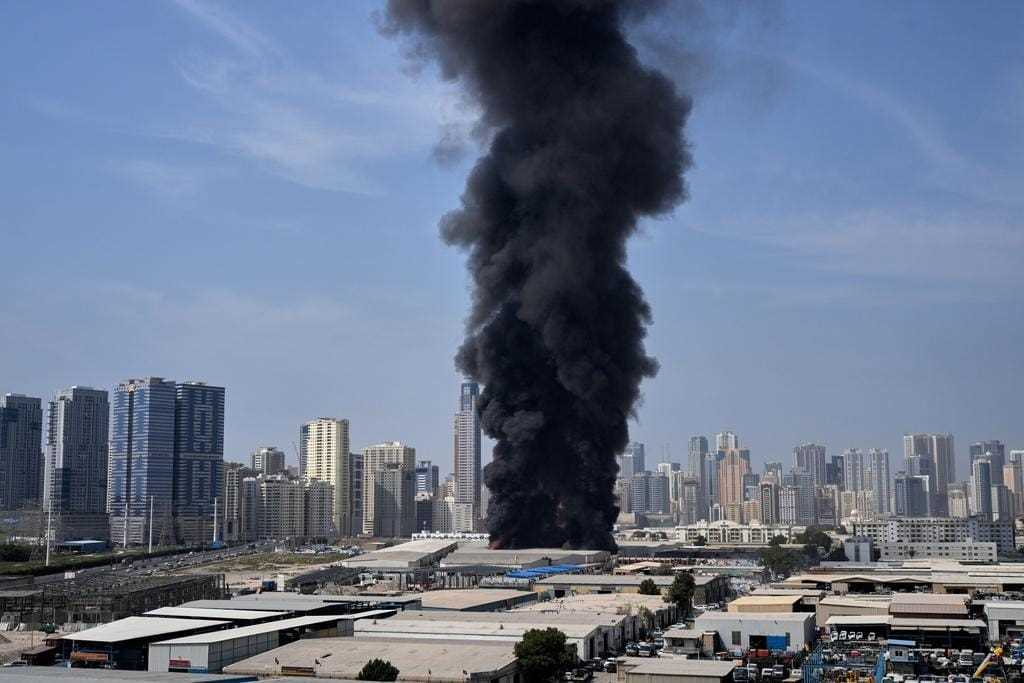
Recent developments affecting airspace in parts of the Middle East have led aviation authorities and airport operators, including the Airports Company of Zimbabwe (ACZ), to issue travel advisories. These disruptions are already affecting flight schedules, prompting travelers to remain vigilant and informed before embarking on their journeys. In a press statement, ACZ emphasized:
"Passengers are urged to confirm flight status with their airlines and remain updated on any changes, as safety remains our top priority."
Airspace disruptions in the Middle East can arise from a variety of causes, including geopolitical tensions, security concerns, or operational restrictions. When such events occur, airlines often respond by rerouting flights, delaying departures, or even canceling services to prioritize passenger safety. Because the Middle East serves as a major global transit hub, even localized disruptions can create ripple effects that impact international travel routes far beyond the immediate area.
Related Stories
For Zimbabwean travelers in particular, the Embassy of the Republic of Zimbabwe in the United Arab Emirates has issued a safety advisory. The Embassy urged citizens to "remain calm, exercise caution and minimize non essential movements" and to continue following official safety guidelines and advisories issued by UAE authorities. It also advised that nationals requiring urgent consular assistance contact the Embassy in Abu Dhabi or the Consulate in Dubai using the listed phone numbers and email addresses. Citizens are further encouraged to register their presence with the Embassy via the official diaspora engagement portal.
For all travelers, the consequences of airspace disruptions can be significant. Passengers may face flight delays or last minute schedule changes, rerouted journeys that extend travel times, and missed connections on multi leg trips. Airports can become congested as flights are rescheduled, adding another layer of stress for travelers. These challenges can arise with little notice, highlighting the importance of staying informed throughout the travel process.
To mitigate these potential impacts, travelers are advised to take proactive steps before departure. Confirming flight status directly with airlines, maintaining communication with travel agents, and checking embassy advisories can provide timely information. Allowing extra time at airports and monitoring official communications, including social media updates from airlines and airports, can also help passengers navigate disruptions more smoothly.
Despite the inconvenience these disruptions may cause, aviation authorities and airlines emphasize that passenger safety remains their top priority. Measures such as flight rerouting and cancellations, though disruptive, are implemented to maintain secure travel conditions for everyone. By understanding the risks and staying informed, travelers can approach these challenges with greater confidence.
While airspace disruptions in the Middle East can create uncertainty and delays, flexibility and preparedness are key to a smoother journey. Staying connected with airlines, monitoring official updates, and following embassy advisories are essential steps in ensuring a safe, successful journey. As ACZ and the Embassy of Zimbabwe remind travelers, confirming flight details, exercising caution, and remaining informed are critical to navigating these temporary challenges.









Leave Comments