







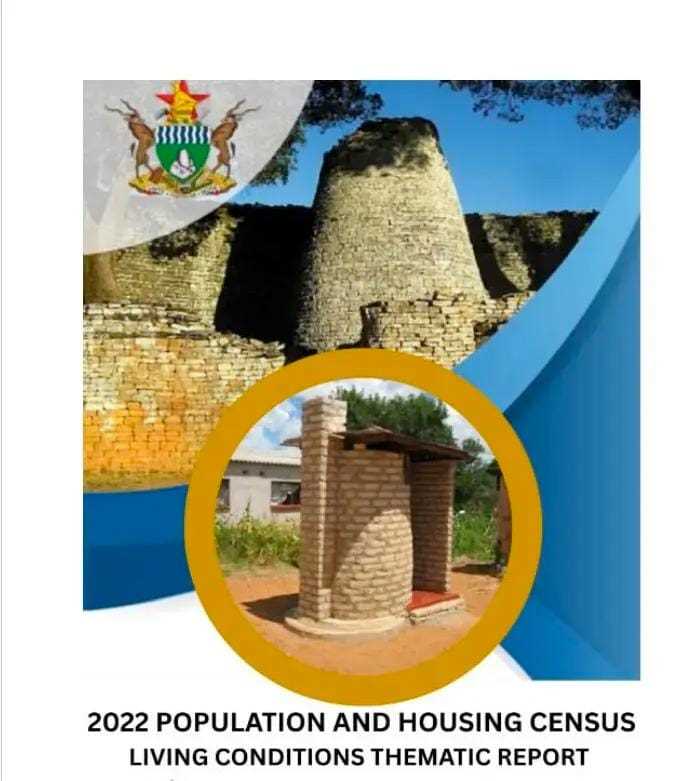
Zimbabwe’s 2022 Population and Housing Census Living Conditions Thematic Report has exposed deep structural inequalities in access to basic services, highlighting persistent rural urban and provincial disparities that threaten inclusive development.
The report states that “there are notable disparities in access to improved water sources, sanitation facilities and electricity between rural and urban areas,” underscoring uneven service delivery across the country.
According to ZIMSTAT, while urban provinces record higher access to piped water and improved sanitation, “a significant proportion of rural households rely on unimproved water sources and traditional sanitation facilities.” The agency warns that such conditions have implications for “public health, environmental sustainability and overall quality of life.”
Electricity access remains particularly skewed. The report notes that “access to electricity is predominantly concentrated in urban areas,” while many rural households continue to depend on firewood and other biomass fuels for cooking and lighting.
Housing quality indicators further reflect inequality. Although ownership levels are high, especially in rural areas, the report observes that “dwelling units constructed from non-durable materials remain prevalent in certain provinces,” pointing to vulnerabilities in structural adequacy and long-term resilience.
Related Stories
Overcrowding also remains a challenge in high-density urban settlements.
ZIMSTAT states that “household size and room occupancy ratios indicate pressure on available housing stock,” a factor that complicates service provision and increases exposure to health risks.
The report also highlights disparities in asset ownership and digital access, noting that “ownership of information and communication technology devices is significantly higher in urban households compared to rural households,” reinforcing socio-economic divides in an increasingly digital economy.
Crucially, the findings suggest that development gains have not been evenly distributed. ZIMSTAT concludes that “provincial variations in living conditions indicators reflect persistent inequalities that require targeted policy interventions.”
While macroeconomic stability and infrastructure development remain policy priorities, the census evidence suggests that large segments of the population continue to experience multidimensional deprivation.








Leave Comments