



Wellington Muzengeza-Contributor
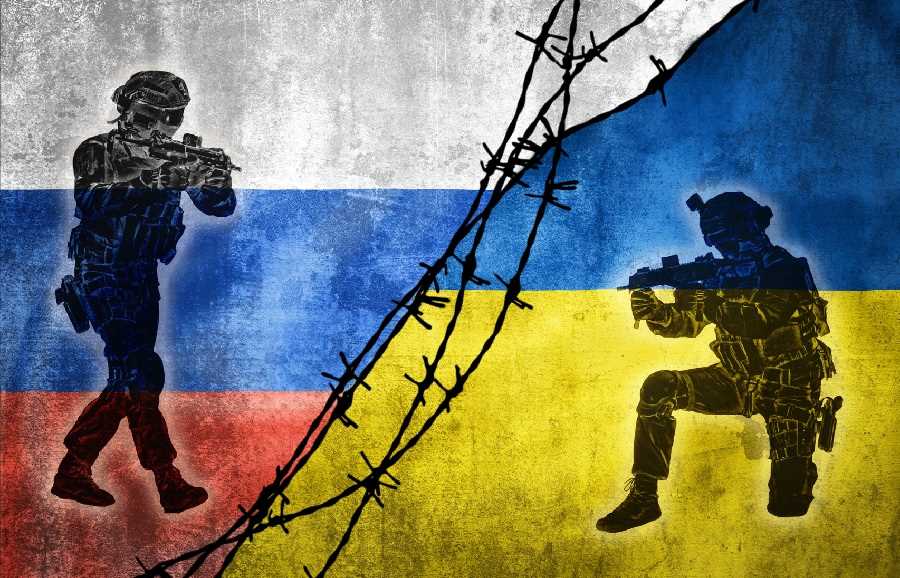
Four years into Russia’s full-scale invasion of Ukraine, the world confronts a perilous inflexion point. What began as a brazen assault on a sovereign nation has metastasised into a systemic crisis that destabilises the very architecture of global security.
Ukraine’s resilience has been nothing short of historic: a people battered by relentless bombardment yet unyielding in their defence of sovereignty. Europe, long complacent in its post-Cold War illusions, has been forced to reckon with vulnerabilities NATO and the EU had conveniently ignored, but the reverberations of this war do not stop at Europe’s borders. Africa, too often relegated to the margins of global discourse, has been drawn into this conflict in ways both insidious and tragic.
The war’s tentacles reach into African cities, villages, and youth populations, ensnaring them in a geopolitical struggle not of their making. Here lies the most damning indictment: the betrayal of Africa’s leaders, who have abdicated their fiduciary responsibility to protect the continent’s youth from exploitation, manipulation, and conscription into foreign wars.
This is not Europe’s war alone. It is a global war, a crucible in which sovereignty, democracy, and agency are tested across continents, and Africa, far from being a passive bystander, finds itself implicated, its neutrality masking complicity, its silence enabling exploitation, its youth transformed into pawns in a conflict that exposes the fragility of governance and the urgency of renewal.
Democracy and Russian Influence in Africa
Russia has shrewdly cloaked itself in the mantle of anti-colonial solidarity, weaponising Africa’s historical traumas to disguise its own imperial ambitions. Through a calculated mix of disinformation campaigns, military entanglements, and transactional economic deals, Moscow has entrenched its influence across the continent, yet behind this façade lies a corrosive reality: African democracies are being hollowed out, their institutions eroded, and their youth cynically conscripted into foreign wars under the guise of opportunity.
What passes for “neutrality” in UN votes is not pragmatism but a perilous abdication of responsibility. By refusing to articulate principled positions, African governments unwittingly amplify Russia’s narrative and expose their citizens to exploitation, leaving the continent dangerously vulnerable to external manipulation.
Africa’s Youth as Pawns in Russia’s Global War
Russia has artfully draped itself in the rhetoric of anti-colonial solidarity, exploiting Africa’s historical wounds to camouflage its own imperial ambitions. Through a calculated arsenal of disinformation campaigns, military entanglements, and transactional economic deals, Moscow has entrenched its influence across the continent, yet beneath this façade lies a corrosive reality:
African democracies are being hollowed out, institutions weakened, and the continent’s most vulnerable constituency, its youth, manipulated into serving foreign wars. What African leaders present as “neutrality” in UN votes is not pragmatic diplomacy but a perilous abdication of responsibility. By refusing to take principled stances, governments amplify Russia’s narrative and leave their citizens exposed to exploitation.
The most damning indictment of this failure is written in the fate of Africa’s youth. From Kenya to Zimbabwe, Zambia to Cameroon, young Africans have been lured into Russia’s war machine under false pretences. Ukraine’s foreign ministry reports that more than 1,400 Africans from 36 countries are fighting for Russia under military contracts.
Many were promised jobs, education, or stability, only to be thrust into combat or conscripted into drone factories such as Alabuga. These are not soldiers of conviction but victims of deception, pawns in a geopolitical game that strips them of agency and dignity. Accounts describe Africans dispatched on “suicidal missions” with minimal support, while Russian troops remain in safer positions.
One Cameroonian, believing he was travelling for caretaking work, found himself on the frontlines. This is not recruitment; it is human trafficking masquerading as opportunity, yet the story is not monolithic. A smaller number of Africans, such as Ahmed from Sudan, have joined Ukraine’s defence forces out of solidarity and belief in sovereignty.
Their courage underscores the complexity of African involvement: coerced recruits for Russia, rare volunteers for Ukraine, and citizens caught between competing narratives. Together, these realities reveal the tragic entanglement of Africa in a war not of its making, a war that exposes the fragility of governance, the betrayal of youth, and the urgent need for Africa to reclaim agency in global geopolitics.
African States’ Neutrality vs. Citizens’ Involvement
Related Stories
Russia has masterfully cloaked itself in the rhetoric of anti-colonial solidarity, weaponising Africa’s historical wounds to disguise its own imperial ambitions. Through a calculated blend of disinformation campaigns, military entanglements, and transactional economic deals, Moscow has cultivated influence across the continent, presenting itself as a partner in liberation while quietly entrenching dependency, yet beneath this seductive façade lies a corrosive reality: African democracies are being hollowed out, their institutions eroded, and their youth cynically manipulated into serving foreign wars.
What African leaders defend as “neutrality” in UN votes is not pragmatic diplomacy but a perilous abdication of responsibility. Neutrality is not innocence; it is complicity. While states posture in the chambers of international diplomacy, citizens bleed in the shadows of recruitment scams, misinformation, and desperation.
This contradiction, official neutrality versus citizen entanglement, exposes the hollowness of Africa’s diplomatic positioning. Leaders claim to safeguard sovereignty, yet they neglect their fiduciary duty to protect the continent’s most vulnerable population: its youth.
By refusing to take principled stances, African governments enable Russia’s narrative, leaving their citizens exposed to exploitation and their democracies weakened from within. In the end, the cost of neutrality is measured not in abstentions at the UN, but in the lives of young Africans conscripted into wars that are neither theirs to fight nor theirs to win.
The risks and implications of Africa’s entanglement in Russia’s war against Ukraine are profound and cannot be dismissed with diplomatic platitudes. At the most basic level, deceptive recruitment schemes targeting African youth amount to human trafficking, stripping them of agency and exposing them to violence under the guise of opportunity. This is not merely a moral outrage but a political crisis that African leaders must confront with urgency rather than denial.
The diplomatic fallout is equally damning: Ukraine has explicitly urged African governments to warn their citizens against joining Russia’s war effort, yet silence has too often prevailed, a silence that is not neutrality but complicity. Meanwhile, Russia’s carefully crafted narrative of anti-colonial solidarity resonates dangerously across the continent, exploiting historical wounds to entrench dependency and vulnerability, and beyond the immediate exploitation lies a deeper symbolism: Africans fighting in Ukraine embody the global resonance of sovereignty struggles, reminding us that Kyiv’s resistance is not a distant European drama but a mirror of Africa’s own unfinished battles for independence, justice, and democratic renewal.
What Africa must do is neither cosmetic nor optional; it is a matter of survival and dignity. The continent’s leaders must begin by exposing and criminalising deceptive recruitment schemes that prey upon desperate youth, treating them not as unfortunate missteps but as acts of trafficking that demand prosecution of all complicit actors.
At the same time, Africa must reclaim the narrative: Russia’s false anti-colonial rhetoric cannot be allowed to masquerade as solidarity, for it is nothing more than imperial ambition dressed in borrowed language. True sovereignty requires that African states invest in their youth, through education, employment, and governance reforms that offer real futures rather than false promises abroad.
Neutrality in the face of aggression is cowardice; Africa must articulate principled diplomatic stances that defend sovereignty everywhere, Kyiv included, lest silence become complicity, and above all, continental solidarity must be forged anew. Pan-African institutions must rise to confront external manipulation with unity rather than fragmentation, asserting Africa’s collective agency in a world that too often treats it as a pawn. Only through such decisive action can Africa protect its youth, reclaim its voice, and stand as a sovereign actor in the global struggle for justice and democracy.
Four years on
Four years on, Ukraine’s defiance remains a luminous testament to the endurance of the human spirit, yet Africa’s entanglement in this war stands as a damning indictment of leadership failure. Our youth, hungry for opportunity, betrayed by neglect, are being trafficked into foreign conflicts, not because they chose war, but because their own governments abandoned them to desperation and deception. This is not merely Ukraine’s struggle for sovereignty; it is Africa’s reckoning with its future.
If African leaders persist in shirking their fiduciary duty, the continent will remain a pawn in global wars, manipulated by external powers and hollowed out from within. The corrective path is neither abstract nor optional: Africa must reclaim agency, protect its youth, and assert its rightful place in the global struggle for democracy and justice.
Neutrality is cowardice; silence is complicity. To abstain while our children are conscripted into another empire’s war is to stab at shadows while the continent bleeds. The time for decisive, principled action is not tomorrow, not in some imagined future; it is now. Africa must rise to defend its sovereignty, its youth, and its dignity, or risk being remembered not as a continent of renewal, but as one that surrendered its agency at the altar of global manipulation.
Wellington Muzengeza is an Independent Journalist, Political Risk Analyst and Urban Strategist offering incisive insight on urban planning, infrastructure, leadership succession, and governance reform across Africa’s evolving post-liberation and urban landscapes. This is his personal opinion and does not necessarily reflect Zim Now’s position or editorial stance.





Leave Comments