







A wave of disturbing claims and confessions involving domestic workers has spilled from private homes into national conversation, forcing employers, workers and advocates to confront uncomfortable realities about power, poverty and trust inside Zimbabwean households.
One employer described confronting her housemaid after noticing unexplained blood stains on kitchen linen.
“I once asked why the towels were not drying properly,” she said.
“I later found blood stains and confronted her. She admitted using them during her periods and washing them back with clean ones.”
The incident, she said, left her questioning hygiene, boundaries and honesty in her own home.
Other employers spoke of fears that go beyond hygiene.
One said she found unexplained items hidden in cupboards on a maid’s first day at work, which she believed were ritual objects meant to win favour.
Another recalled overhearing a maid praying “She said she wanted my children to love her more than their mother.”
A separate employer said she once arrived home to find her maid breastfeeding her baby
. “She told me the child preferred her milk,” the employer said.
Domestic workers, however, tell a different story.
One housemaid said she resorted to extreme measures during menstruation because of poverty. “My period days are torture,” she said.
Related Stories
“With my salary, I cannot afford pads. I improvise at work and feel ashamed when blood leaks.” Another maid admitted acts of quiet rebellion.
“My boss shouted at me and accused me of many things,” she said.
“When she was away, I used her toothbrush to clean the toilet. It was anger.”
The mistrust is worsened by working conditions many describe as degrading.
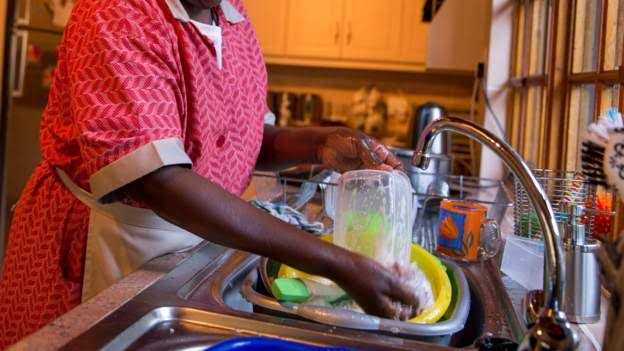
Domestic workers said they work long hours, eat leftovers, and are barred from using the same utensils as employers.
“You are treated like family only when it suits them,” said Eunice Dhladhla.
Another worker, Patricia Kubu, said “I make their beds, wash their underwear, answer their phones. I know everything about their lives, yet I remain invisible.”
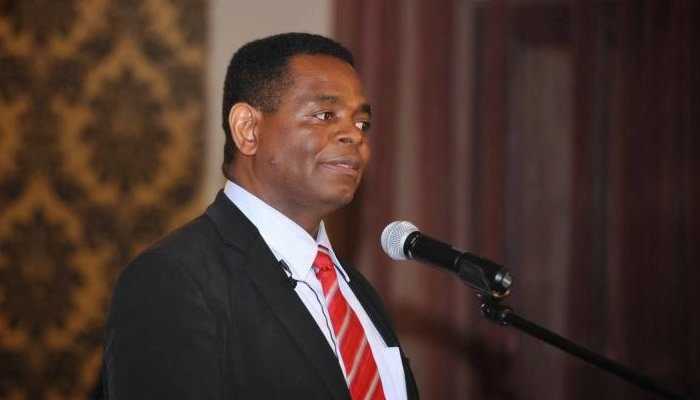
Religious leader Apostle Ibiya cautioned employers against assumptions.
“Do not think maids are stupid,” he said. “Most of them are highly educated.”
He also said that household tensions often stem from fear and misunderstanding rather than facts.
Labour advocates sajx the controversy exposes a deeper problem , domestic work remains informal, poorly regulated and emotionally charged.
With no clear protections, trust collapses into suspicion, and silence turns into scandal.
Zimbabwe is being forced to ask not only what happens behind closed doors, but why it keeps happening.








Leave Comments