






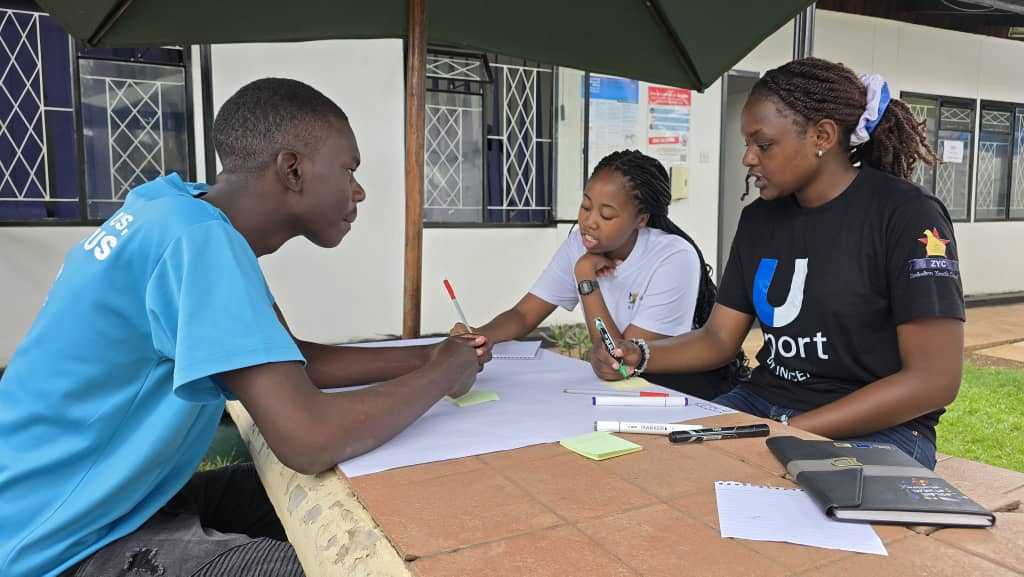
UNICEF Zimbabwe has begun nationwide consultations with children and young people aged 10 to 24 as part of efforts to shape its next country programme, placing youth voices at the centre of future policy and programming.
In a statement, UNICEF Zimbabwe said it is “engaging children and young people aged 10–24 to shape our new country programme,” adding that their input will guide interventions that “truly reflect their needs and aspirations.”
The consultations, conducted in partnership with the Zimbabwe Youth Council, the Ministry of Primary and Secondary Education, and development partners including the European Union and the Embassy of the Republic of Korea, brought together young people from across all provinces.
According to UNICEF, participants identified several priority areas requiring urgent attention, including stronger education and life skills development, protection from violence, birth registration, access to healthy and nutritious food, disaster preparedness and safety, and the inclusion of underserved communities, particularly children with disabilities.
Related Stories
“Young people highlighted key priorities: stronger education and life skills, protection from violence, birth registration, access to healthy foods, disaster safety, and inclusion of underserved communities,” UNICEF said.
The consultation process involved a diverse group of participants, including child parliamentarians, junior councillors, students, and out-of-school youth, ensuring representation from both formal education settings and marginalized groups.
“This consultation involved child parliamentarians, junior councillors, students and out-of-school youth from all provinces,” UNICEF said, adding that the engagement will help ensure the new programme is “inclusive, responsive and empowering.”
UNICEF Zimbabwe said the youth-led input will directly inform the design and implementation of its upcoming country programme, aligning interventions with the lived realities of children and young people across the country.







Leave Comments