








Bridget Mabanda
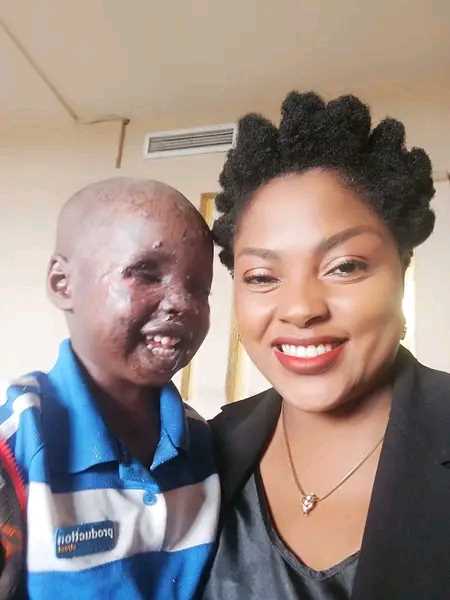
Xeroderma Pigmentosum Family Support (XPFS), a Non-Governmental Organisation that looks after those diagnosed with Ultraviolet light conditions is set to hold an awareness dinner on December 3, 2022 in collaboration with Miss Legacy Zimbabwe.
Xeroderma Pigmentosum is a condition that makes the body unable to repair damage caused by ultraviolet radiation, leaving the skin too sensitive to sunlight.
XPFS founder, Pauline Mapuvire, said the dinner will help her to reach a wide range of people as she is going to invite different people from different sectors.
“As Xeroderma Pigmentosum Family Support, we are going to invite corporates, individuals, so that they come and hear what Xeroderma Pigmentosum is all about,” she said.
The organisation started operating informally in Zimbabwe in 2017 before its formal registration in 2019.
Mapuvire added: “Most families seek medical attention when it is too late because they associate the condition with witchcraft and they lack information about the condition. Ignorant of the actual cause of the condition, families ‘seek help from witchdoctors and prophets’ who usually worsen the situation by delaying treatment.”
She added that the organisation has partnered with Miss Legacy Zimbabwe because XP is a very traumatic condition.
“We have realised that people do not want to come to a sad event, some people will have fear, some will not even want to associate themselves with XP patients so we have Miss Legacy Zimbabwe to provide entertainment through modelling,” she said.
Related Stories
Between 2019 and 2022, 88 cases of children Xeroderma Pigmentosum were recorded with XPFS and the Ministry of Health and Child Care has nine reported cases.
In the absence of sun protection, their skin ages, becoming dry, rough and atrophic, according to an article by the Orphanet Journal of Rare Diseases.
In extreme cases, it results in skin cancers, blindness, neurological disorders and premature death.
From 2017 to date, eight children have succumbed to the condition in the country, according to XPFS.
Research shows that when detected earlier effects can be reduced through wearing protective clothing, using sunscreens, and regular consultations with dermatologists, ophthalmologists, neurologists and dentists.
Opinion on the causes of the condition is divided.
It is also believed to be common in the Middle East where consanguinity is practised (marriage between people with blood relations).
But a skin specialist, Dr. Donald Mutangadura says the condition is inherited.
“If parents have recessive genes, they can give birth to a child with Xeroderma Pigmentosum,” said Dr Mutangadura.
XP is found in all continents and racial groups. However, statistics vary from one race to another and from continent to continent. XP incidences vary from 1 in 20 000 in Japan to 1 in 250 000 in the United States of America, and approximately 2,3 per million live births in Western Europe says an article by the Orphanet Journal of Rare Diseases.









Leave Comments