







Zim Now Writer
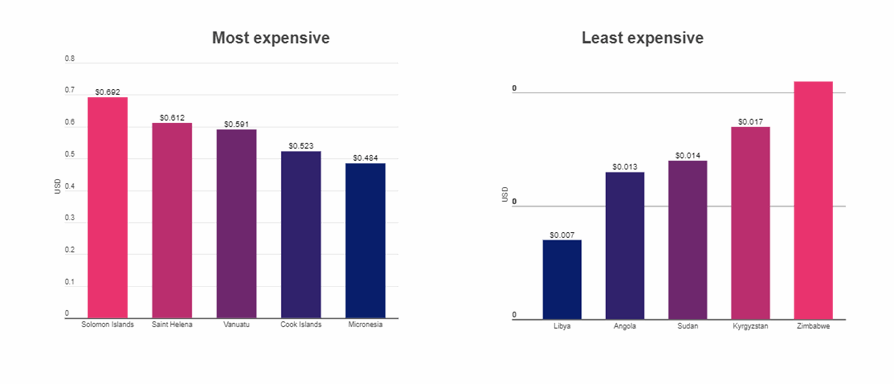
Worldwide data analysis by a UK company puts Zimbabwe among the 5 countries with the cheapest electricity in the world.
“The five cheapest countries in terms of the average cost of one kWh are Libya (USD 0.007), Angola (USD 0.013), Sudan (USD 0.014), Kyrgyzstan (USD 0.017), and Zimbabwe (USD 0.021),” says Cable Company UK in its report.
https://www.cable.co.uk/energy/worldwide-pricing
Cable.co.uk says it “has gathered data from 3,883 energy tariffs across the globe to compile the most complete league table of global consumer energy pricing yet.”
The most energy expensive countries are (USD 0.692), St Helena (USD 0.612), Vanuatu (USD 0.591), the Cook Islands (USD 0.523) and Micronesia (USD 0.484).
Four of the cheapest countries are in Africa
Libya has the cheapest energy prices for consumers through heavily state-subsidised and the country is entirely self-sufficient when it comes to electricity, as a result of its plentiful oil reserves and growing renewable energy projects.
The second cheapest, Angola is the third largest economy in Africa, has vast oil and natural gas supplies, and has invested well in hydropower. The country aims to extend electrification to 60% of the population by 2025.
The report says Sudan relies on hydropower for around 50% of its electricity supply, and is also investing in solar energy. The country’s urban areas enjoy state-subsidised electricity, however up to 50% of the country is yet to be electrified.
Kygyzstan, gets over 90% of domestically generated electricity from hydropower and has state-subsidies.
Zimbabwe’s access and availability challenges
Related Stories
Zimbabwe electricity is state subsidised through consumer price controls on the supplier with government funding importation shortfalls arising from the below market prices.
But while Zimbabwe’s electricity is cheap for the consumer but access and availability are limited due to various reasons including inadequate infrastructure and inadequate generation.
World Bank comparative analysis puts Zimbabwe access to electricity at 52.75 percent. The largest gap is in rural areas with urban areas . Rural electrification programme undertaken after Independence has not been adequate to get everyone on the grid.
Zimbabwe has a peak consumption of 1,600 MW against an average of 1,200 MW capacity. The balance is imported through long term arrangements.
Regular power cuts are standard most of the year and are often exacerbated by faults. Recently the Zimbabwe Electricity Transmission and Distribution Company warned that increased demand from rising economic activity was further straining the national grid.
Many corporates and individuals have resorted to alternative energy sources including gas, solar and generators which can be pricier.
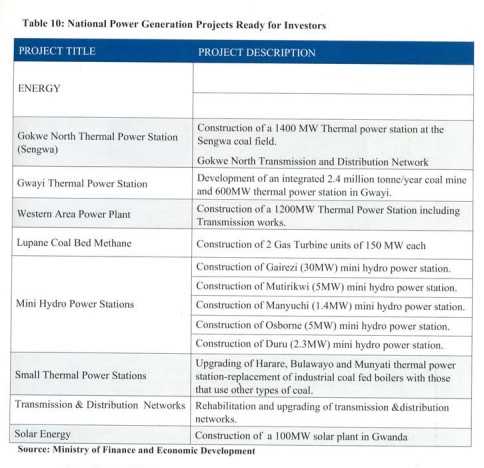
Full access and self-sufficiency are within reach
The country has undertaken large investment in power generation with Chinese funded Kariba South Hydro Power Expansion has added 300 MW to the national grid.
Another China backed project, the construction of an additional two units at Hwange 7 and 8 will add 600MW significantly reducing the current shortfall.
If realised, the Muzarabani-Mbire oil and gas field’s revealed potential production of around 283.2 billion cubic metres (8,2 trillion cubic feet) of natural gas, and almost 40 million cubic metres (around 250 million barrels) of oil condensate will add considerably to the country’s energy self-sufficiency.
The Indian funded US$48.1 million Deka Upgradation Project in HwangeDeka Pipeline will increase the current 3 500 cubic meters of water per hour to over 6 000 cubic meters and is instrumental in the 600MW capacity increment of Hwange.
The country has opened the energy sector to private investors to increase production and access.







Leave Comments