





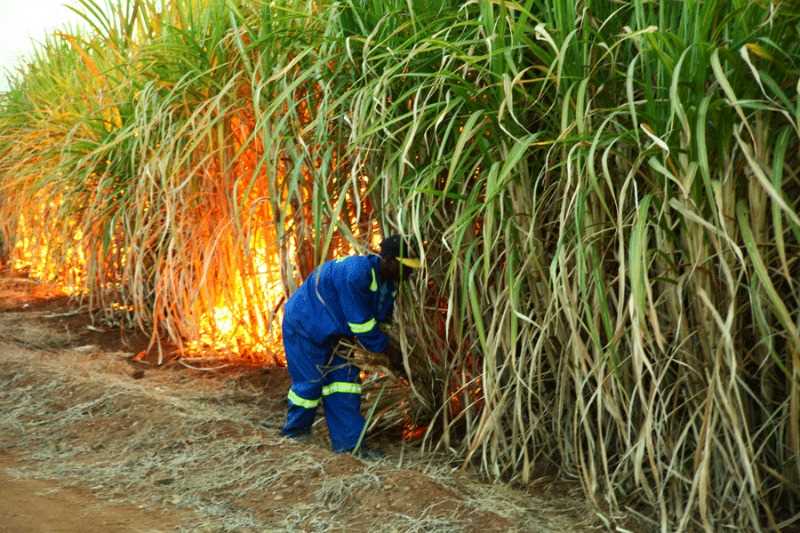
Tensions between Zimbabwe’s small-scale sugarcane growers and Zimbabwe Sugar Association chairperson Tsitsi Choruma are escalating, with grower representatives accusing her of favouring large mills and commercial estates in a worsening pricing dispute and failing to defend smallholder interests.
At the centre of the row is a sharp cut in the interim cane purchase price for the season to US$61.83 per tonne, down from US$71 per tonne last season, even as fertiliser, diesel and labour costs have climbed steeply.
Lowveld grower representative Admore Hwarare has written to Agriculture Minister Anxious Masuka requesting urgent government intervention.
Growers’ anger is directed squarely at Choruma. According to multiple media reports, Tongaat Hulett commercial director Sylvester Mangani wrote to Choruma proposing the interim price.
This means Choruma, as association chairperson, received the millers’ proposal directly at a decisive stage of the pricing negotiations, while smallholders say they were shut out of substantive talks.
“Chairperson Choruma has chosen to stand with the large commercial estates and the mills. The smallholder voice is simply not being heard,” said one small-scale grower in Mkwasine, who asked not to be named.
The structural imbalance in the Lowveld sugar industry has sharpened the smallholders’ vulnerability.
Tongaat Hulett owns Zimbabwe’s only two sugar mills — Hippo Valley and Triangle — and controls much of the cane-growing land. Smallholders and independent growers have virtually no alternative buyer if they reject the millers’ terms.
Agricultural economist Brian Mudondo said: “When a single processor controls the mills, the export channel and the pricing mechanism, growers inevitably carry most of the production risk while having almost no bargaining power over the final price.”
Related Stories
Compounding matters, growers say the mills unilaterally suspended cane deliveries without consultation.
In his letter, Hwarare said that under the Cane Purchase Agreement, the mills are obliged to receive growers’ cane throughout the crushing season “regardless of the status of the agreement”.
Cane left unprocessed in high temperatures rapidly loses weight and sucrose content, exposing growers to potentially serious financial losses.
A Parliamentary Portfolio Committee on Industry and Commerce report corroborates the smallholders’ plight.
The report found that Zimbabwe’s sugar industry is gripped by a “crushing monopoly”, while smallholders farm 44 percent of the 46,000 hectares under cane but cannot use their land as collateral because of tenure arrangements. As a result, they face interest rates of up to 60 percent.
The report also highlighted crippling transport costs, with Mkwasine growers paying US$44 to transport a five-tonne bundle of cane over long distances to the mills.
At the time of publication, neither Choruma nor the Zimbabwe Sugar Association had publicly responded to the growers’ accusations.
Tongaat Hulett said the interim price arrangement would apply for one month, with any final government-determined price adjustment backdated to make up the difference.
But for many smallholders, the core issue is not when the price is topped up, but whether they have a seat at the table when it is set.




Leave Comments