




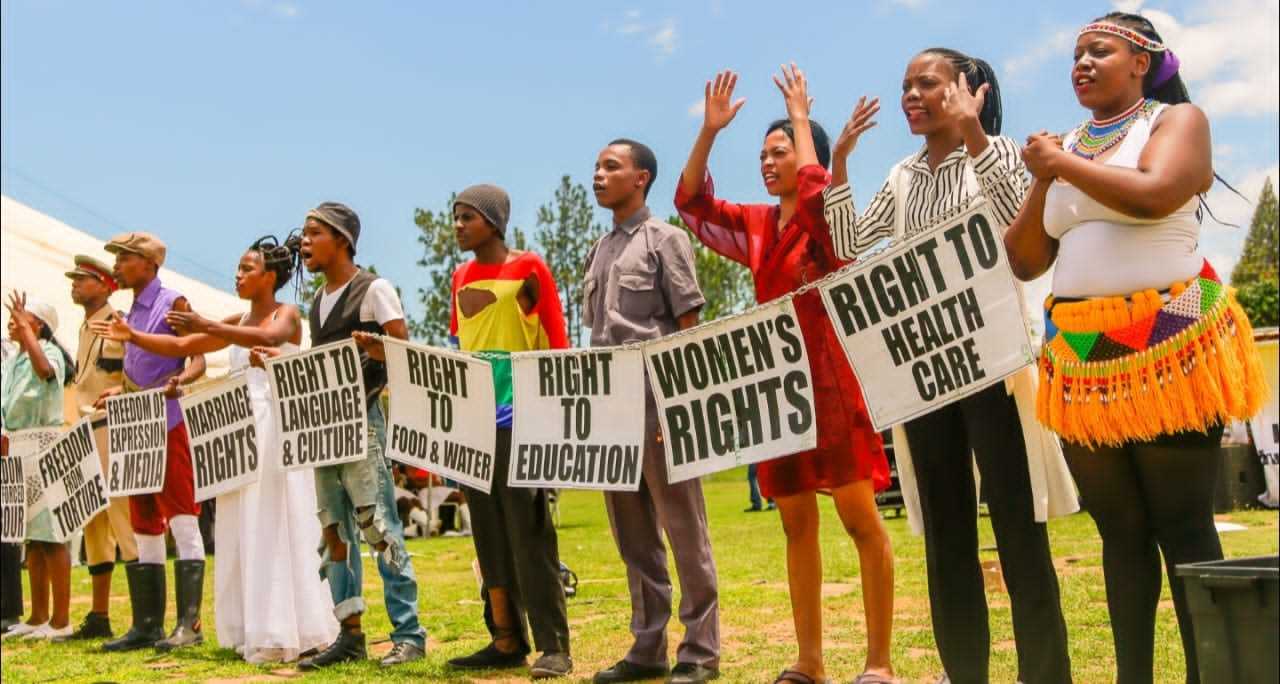
Zimbabwean civil society organisations have begun preparing a coordinated assessment of the country's human rights record ahead of a United Nations review in 2027, with the process expected to place renewed scrutiny on the government's implementation of recommendations it accepted four years ago.
The National Association of Non-Governmental Organisations, working with Sightsavers, the Women Coalition of Zimbabwe and Zimbabwe Lawyers for Human Rights, convened a consultative meeting in Bulawayo on June 17 to begin gathering evidence for civil society submissions to Zimbabwe's Fourth Cycle Universal Periodic Review.
The review, conducted under the UN Human Rights Council, examines the human rights record of every UN member state on a rotating basis.
Zimbabwe's next assessment is scheduled for January-February 2027, with stakeholder submissions due by July 17 this year and the government's national report expected in October.
The exercise comes at a crucial stage for Zimbabwe because the review will largely assess what has happened since the country's previous examination in January 2022, when it received 264 recommendations from member states and accepted 168 of them.
NANGO said the Fourth Cycle provides an opportunity to evaluate "progress, challenges and emerging human rights concerns" through evidence gathered from communities, rights groups and independent institutions.
In a background paper released alongside the consultations, the organisation argued that civil society participation is essential because the review process should reflect conditions experienced by citizens rather than rely solely on official government reporting.
"CSOs often work closely with affected communities and draw evidence from victims, witnesses, legal aid providers, and documentation networks to report on real patterns of harm, obstacles to justice, and day-to-day realities that may be missing from official narratives," NANGO said.
The emphasis on implementation reflects a longstanding challenge within the UPR system. While governments frequently accept recommendations during reviews, translating those commitments into legal reforms, institutional changes and improved protection of rights has proven more difficult across many jurisdictions.
For Zimbabwe, the issue has particular significance given that several recommendations accepted in 2022 focused on freedoms of expression, association and assembly, judicial independence, prison conditions, gender equality and protection of vulnerable groups.
Human rights organisations have repeatedly argued that progress in some areas has been uneven.
Related Stories
Following the 2022 review, ZLHR welcomed the government's willingness to support a majority of recommendations but urged authorities to take further action to align domestic laws with international obligations.
"Take urgent action to implement robust measures that will improve the human rights situation in Zimbabwe and align its domestic laws with its international human rights obligations," the organisation said after the review outcome was adopted.
The latest consultations are also unfolding against a backdrop of growing debate over the operating environment for civil society organisations themselves.
NANGO's analysis highlights concerns around legislative and constitutional developments that rights groups believe could affect civic participation and independent monitoring activities.
The organisation specifically pointed to the Private Voluntary Organisations Amendment Act and proposed Constitutional Amendment Bill No. 3, arguing that such measures have generated concerns about the future scope of civic engagement and oversight.
"These developments matter because they shape what information can be produced and by whom," NANGO said.
The organisation warned that restrictions affecting civic space could limit the ability of groups to document violations, consult affected communities and produce detailed evidence-based submissions.
That issue carries significance beyond the review process itself. International human rights mechanisms increasingly rely on stakeholder submissions to verify government claims and identify areas requiring further scrutiny. Information provided by civil society is compiled by the Office of the UN High Commissioner for Human Rights and forms one of the three principal documents used during the review process.
According to the UN framework, the review draws on a national report prepared by the state under review, a compilation of information from UN bodies and mechanisms, and a summary of submissions from civil society organisations, national human rights institutions and other stakeholders.
This structure has elevated the role of non-state actors in shaping international assessments of countries' human rights performance, particularly in areas where official data is limited or disputed.
Recent assessments by international rights bodies suggest that governance and civic freedoms are likely to remain prominent issues during Zimbabwe's upcoming review. Previous recommendations from reviewing states addressed concerns ranging from democratic participation and media freedoms to socio-economic rights, access to justice and protection of marginalised communities.
Advocacy groups in the coming weeks have a narrow but important window to influence the international agenda ahead of the Geneva review. Stakeholder submissions lodged before the July deadline will help determine which issues receive attention from reviewing states and could shape recommendations that Zimbabwe will be asked to consider over the next four-year cycle.







Leave Comments