





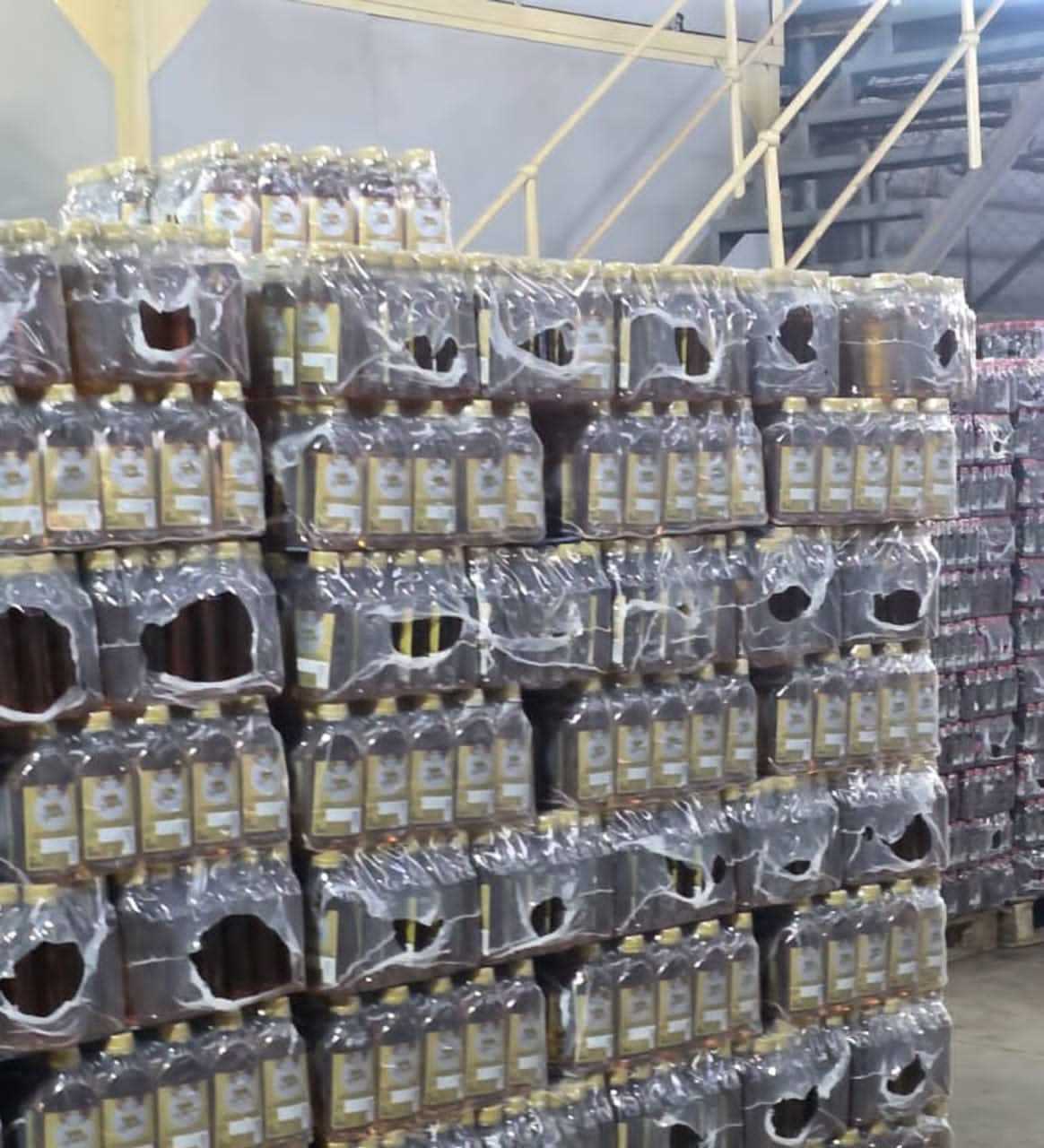
Zimbabwe's formal businesses are increasingly finding themselves competing against a growing underground economy that produces counterfeit goods, illicit alcoholic beverages and unregulated products at lower costs, threatening jobs, investment and consumer confidence.
Recent investigations have revealed that many illegal operators are manufacturing products in backyard facilities and distributing them through informal channels, allowing them to avoid taxes, licensing fees and compliance costs borne by registered businesses.
The development comes at a time when local manufacturers are battling rising production costs, foreign currency shortages and stiff competition from imports.
For compliant businesses, the challenge is not only attracting customers but competing against products that are produced outside the law and sold at significantly lower prices.
A recent nationwide compliance blitz inspected thousands wholesale and retail outlets across the country.
The exercise resulted in 46 businesses being prosecuted, while illicit products were seized and compliance notices issued.
Minister of Industry and Commerce Nqobizitha Mangaliso Ndlovu said the proliferation of illicit products was affecting both consumers and legitimate businesses.
"The Ministry of Industry and Commerce has noted with concern the proliferation of harmful substances and illicit alcoholic beverages that expose consumers to serious health risks, undermine fair competition, threaten the social fabric and economic development of our nation," Ndlovu said.
"Unfortunately, our productive youths are increasingly exposed to these dangerous products which are manufactured and distributed clandestinely outside the bounds of the law," he said.
The minister noted that investigations had uncovered a worrying trend in which illegal operators were using hidden backyard facilities to manufacture products away from public scrutiny.
Related Stories
"Investigations revealed that many operators produce their illegal merchandise in backyard settings as a way to evade inspection and detection," Ndlovu said.
"This discovery further underscores the need for heightened enforcement and enhanced coordination, which the Ministry commits to undertake," he added.
The issue has gained prominence following the arrest of a syndicate allegedly involved in manufacturing and distributing illicit alcoholic beverages in Harare.
"While investigations and court processes are progressing, the Ministry reaffirms its commitment to ensure that consumer rights and public health remain safeguarded," Ndlovu said.
The Consumer Protection Commission has since been directed to intensify collaboration with the Zimbabwe Republic Police, the Medicines Control Authority of Zimbabwe, Trade Measures and other regulators.
"This coordinated effort seeks to eliminate harmful, counterfeit and improperly labelled products from circulation while ensuring that only safe, lawfully manufactured goods reach the market," he said.
The rise of illicit trade comes at a time when Zimbabwe is pushing for industrial growth, local value addition and increased investment in manufacturing.
However, businesses operating within the law continue to face competition from unregulated producers who avoid compliance costs while accessing the same consumers.
Ndlovu said offenders would face stiff penalties under existing laws.
"The Ministry assures the nation that perpetrators will face prosecution under penalty provisions in the Consumer Protection Act and the Food and Food Standards Act," he said.
"The Ministry is engaging the courts so that maximum deterrent penalties are imposed including administrative fines of up to two and a half percent of annual net profit to ensure regulatory conformity and the protection of consumers," Ndlovu stated.








Leave Comments