



The final journey began long before the coffin arrived.
It began in a hospital ward hundreds of kilometres away, where machines hummed through the night and loved ones clung desperately to hope.
It travelled through sleepless weeks of prayers, tears and unanswered questions.
It crossed borders, united two nations, and carried with it the crushing weight of a dream interrupted.
And on a quiet Sunday afternoon in Tibhanyu Village, beneath the vast skies of Zimbabwe's Hwange district, that journey finally came to an end.
Then, the earth opened to receive Ndodana "The Black Hammer" Ncube.
As mourners watched the coffin descend into the grave, many could no longer contain their grief. Men who rarely cried openly wiped tears from their faces. Women sobbed uncontrollably. Children stood silently, trying to comprehend why the smiling champion they had admired would never return.
A boxing career had ended. A life had ended.
But something far greater was being buried that day.
A community was burying one of its brightest hopes.
At just 29 years old, Ndodana Ncube had already achieved what many only dream of. Born in the dusty surroundings of rural Hwange, he had risen through determination, discipline and sacrifice to become one of Zimbabwe's most respected professional fighters.
Inside the ring, he was feared. Outside it, he was loved.
His devastating punching power earned him the nickname "The Black Hammer"—a name that became synonymous with courage and resilience. Yet those who knew him best remember not his fists, but his humility. They speak of a gentle soul who never forgot his roots, a young man who carried himself with dignity even as his star continued to rise.
Now, all that remained was a coffin draped in sorrow.
The tragedy that brought him home still feels impossible to comprehend.
On what should have been one of the finest nights of his career, Ncube stepped into the ring against South Africa's Lunga "The Pressure Cooker" Stimela at Eastdene Community Hall.
He fought brilliantly.
Round after round, he demonstrated the skill, determination and heart that had made him a champion. When the final bell sounded, victory belonged to him.
But boxing can be heartbreakingly cruel.
During the contest, the two fighters accidentally clashed heads. It was an incident so ordinary that few could have imagined the catastrophic consequences that would follow.
Hours later, the victorious boxer collapsed.
The celebrations ended.
The nightmare began.
Doctors discovered a blood clot on his brain. Emergency surgery was performed on March 28. Family members, friends and boxing officials gathered around hospital beds and telephones, praying for a miracle.
For a fleeting moment, hope returned.
Ncube opened his eyes. He attempted to communicate. The warrior appeared to be fighting his way back.
But some battles cannot be won, even by the bravest fighters.
Days later, Zimbabwe's Black Hammer lost the only fight that truly mattered. Death had entered the ring. And death refused to lose.
The pain that followed rippled far beyond boxing.
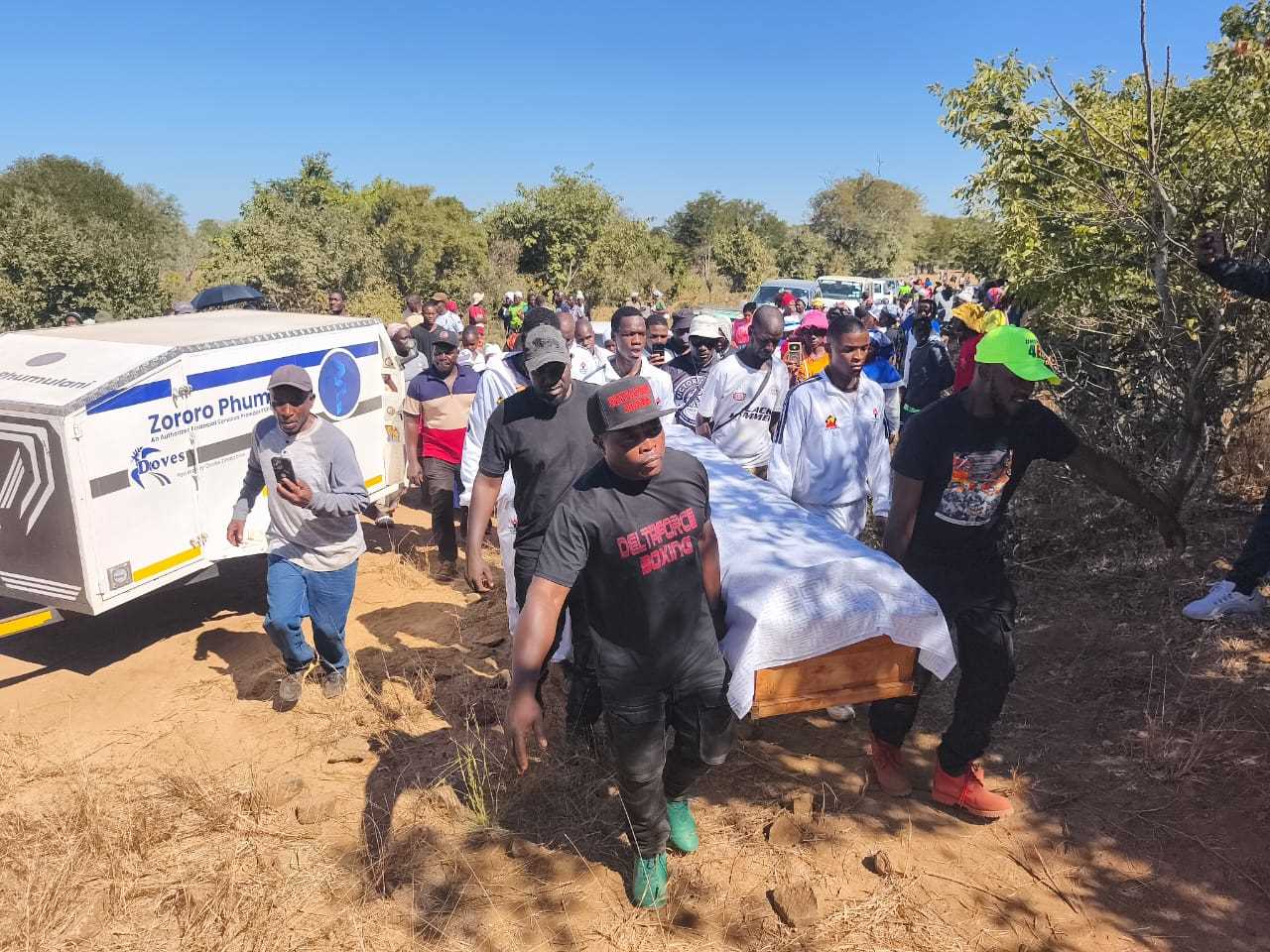
When his body finally arrived home on Saturday evening, carried by Zororo Phumulani Funeral Services, the village he loved so dearly fell silent. Throughout the night, mourners streamed into the homestead.
Some arrived carrying memories. Others carried regrets. Many simply came because they could not imagine allowing this final chapter to be written without them.
By sunrise on Sunday, hundreds had gathered. They came from distant towns and nearby villages.
They came from boxing gyms and government offices.
They came from Zimbabwe and South Africa.
Most importantly, they came because Ndodana mattered.
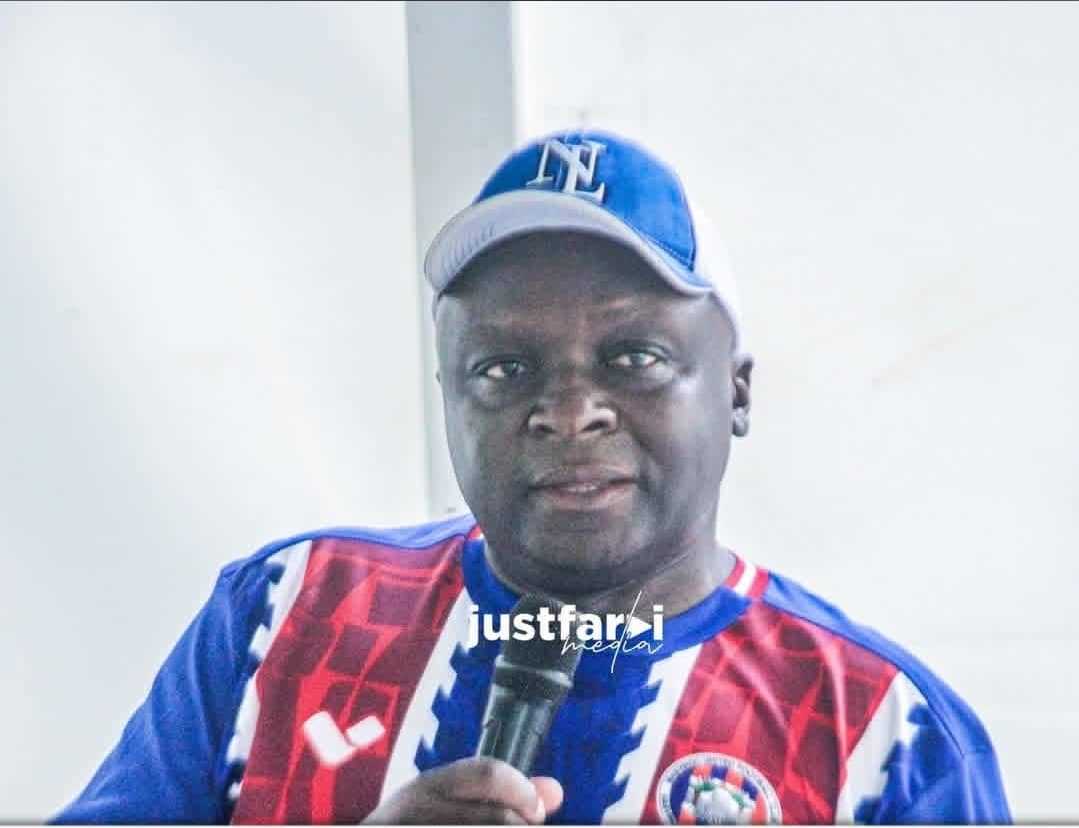
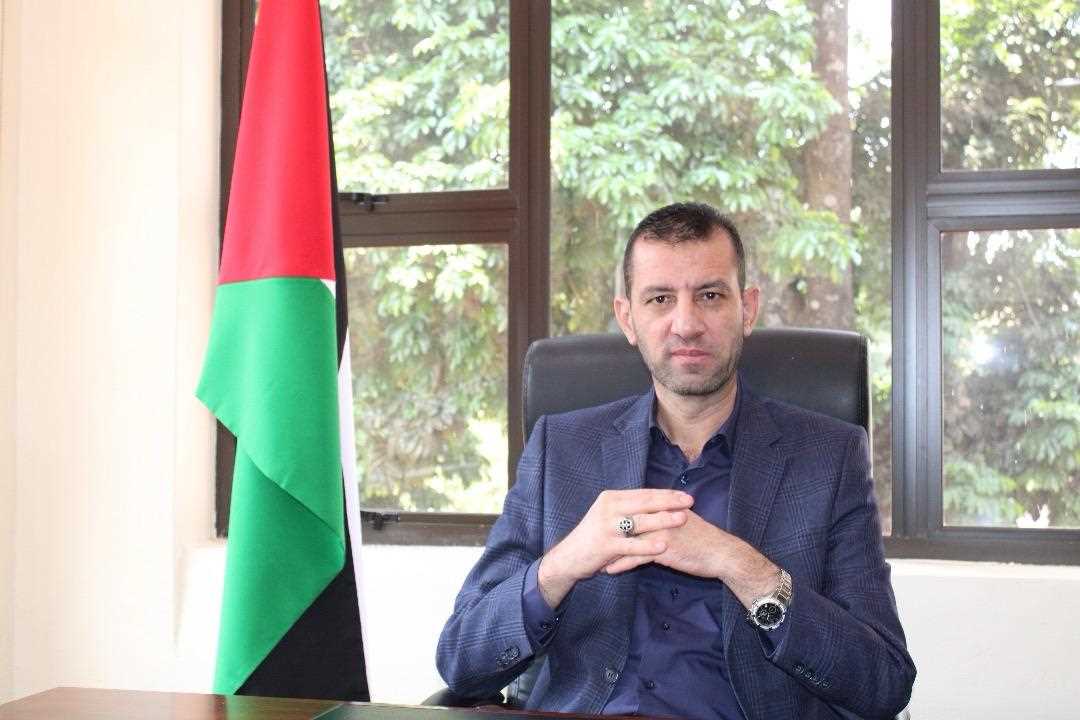
Among those present were senior officials from the Zimbabwe National Boxing and Wrestling Control Board, led by chairperson Vee Chibanda and chief executive officer Priscilla Kadungure.
Representing Boxing South Africa were chief executive officer Tsholofelo Lejaka and chief operations officer Mandla Ntlanganiso, men who had walked beside the Ncube family through every painful stage of the tragedy.
The gathering was not merely a funeral.
It was a collective act of mourning.
A nation had come to say goodbye.
Standing before the mourners, Chibanda struggled to hide her emotions.
She reminded the gathering that while boxing carried risks, it remained a powerful vehicle for transformation, discipline and opportunity.
"Ncube died not because of work but for the reason that God's time had arrived," she said.
Her words hung heavily in the air.
They were not words of explanation.
They were words of acceptance from someone trying to make sense of a loss that made no sense at all.
She also revealed plans to establish a US$100,000 insurance fund for Zimbabwean boxers—a lasting legacy born from tragedy and designed to protect future fighters and their families from facing similar hardship.
Yet even as practical solutions were discussed, grief remained the dominant language of the day.
The Zimbabwean Government had contributed groceries for mourners and US$2,000 towards the bereaved family.
It was a gesture of solidarity from a country mourning one of its sporting sons.
Then came one of the day's most emotional moments.
Tsholofelo Lejaka stepped forward.
The Boxing South Africa chief executive had witnessed every stage of the tragedy. He had watched the desperate attempts to save Ncube's life. He had helped oversee the difficult process of bringing him home.
Now he stood before the grave.
His voice trembled.
Related Stories
"Ndodana is a true warrior who unfortunately died in battle after he had conquered," he said.
For a moment, silence swallowed the crowd.
A warrior who died after conquering.
There could be no more fitting description.
Lejaka spoke of Ncube's victory over a former World Boxing Federation champion and the immense talent he possessed.
Boxing South Africa had earlier presented the family with US$3,000 from its insurance fund and on Sunday handed over a framed red-and-black boxing glove surrounded by photographs of the fallen fighter.
The gift drew fresh tears.
Because some objects become more than objects. They become memories. And memories are often all that remain.
The heartbreak deepened as those who had known Ncube since childhood spoke.
Trainer Mpilisi Moyo remembered a young boxer whose work ethic was extraordinary.
Gabriel Moyo, who had officiated many of his bouts and watched him develop through provincial and national competitions, spoke of a disciplined athlete who carried the hopes of his community wherever he travelled.
Together, they painted the portrait of a man whose greatness extended beyond championship belts and victory celebrations.
Then came Stalin Mau Mau, the promoter and manager who had helped guide Ncube's professional journey.
By the time he addressed mourners, his emotions were overwhelming. Several times his voice cracked. Several times he paused. The words simply would not come.
How could they?
How does a man eulogise someone he helped build into a champion?
How does a mentor bury a dream he once nurtured?
How does a father figure say farewell?
For many in attendance, those tears spoke louder than any speech.
As the afternoon wore on, prayers from members of the Zion Church drifted across the cemetery.
The final hymns were sung.
The final blessings offered.
The final farewell whispered.
Then came the moment everyone had dreaded. The coffin was lowered. Slowly. Painfully. Irreversibly.
The sound of soil striking wood echoed across the cemetery. And with each shovelful of earth, reality became harder to escape. This was not another fight. There would be no recovery.
No comeback.
No rematch.
No final victory.
Only goodbye.
As the sun began sinking behind the horizon, long shadows stretched across the graveside. People lingered. Nobody seemed ready to leave.
Perhaps because leaving meant accepting what had happened.
Accepting that a son would never again return home.
Accepting that a brother's laughter had been silenced.
Accepting that a champion's journey was over.
Yet even in that overwhelming sadness, something extraordinary emerged.
Ndodana Ncube's story did not end with death.
It continues in every child who dreams of becoming a boxer.
It continue in every athlete inspired by his determination.
It continues in every family that will benefit from the safety measures now being proposed in his honour.
His life, though tragically short, had become a beacon. And beacons continue to shine long after their source disappears from view.
As darkness settled over Tibhanyu Village and mourners slowly made their way back to their homes, one truth remained impossible to ignore.
The Black Hammer had fallen.
But legends do not die when their hearts stop beating.
They live on in stories told around kitchen fires.
They live on in photographs hanging on living-room walls.
They live on in memories carried by those who loved them.
And they live on in the countless lives they touched.
Somewhere beneath the red soil of Hwange now rests a boxer who fought with everything he had until there was nothing left to give.
A son of Zimbabwe.
A warrior of uncommon courage.
A young man whose greatest victory was not measured by championship belts, but by the lives he inspired.
The final bell has rung.
The crowd has gone home.
The arena is silent.
But if one listens carefully enough, beyond the tears, beyond the sorrow, beyond the stillness of the grave, another sound can still be heard.
It is the echo of the Black Hammer.
And that echo will reverberate through generations long after the dust of Tibhanyu has settled.




Leave Comments