






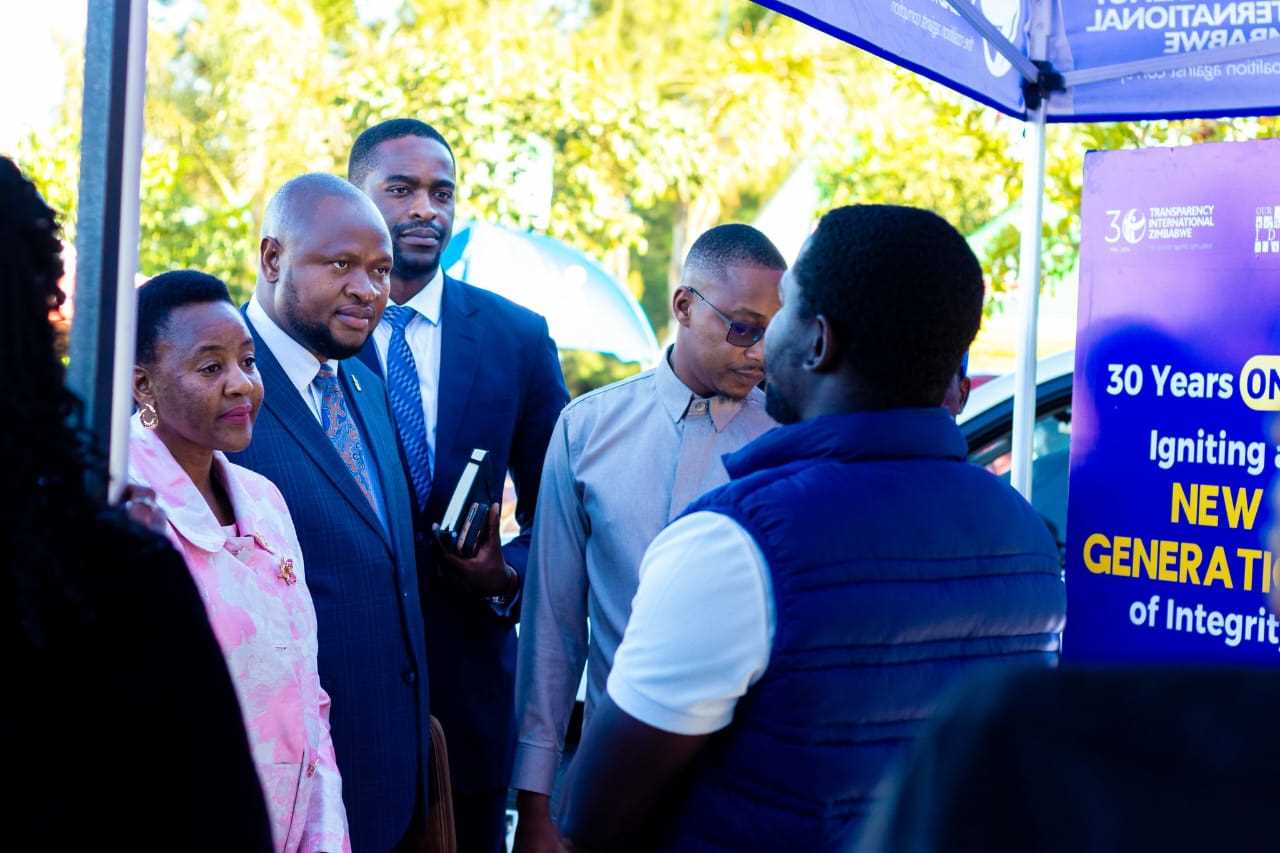
The Transparency International Zimbabwe has warned that corruption within Zimbabwe’s education sector continues to undermine merit, fairness and equal opportunity, depriving deserving learners of opportunities and weakening public confidence in educational institutions.
In a statement, the organisation said corruption remains prevalent across various aspects of the education system, affecting access to learning opportunities, resource allocation and institutional governance.
“Corruption in the education sector continues to undermine merit, fairness, and equal opportunity,” Transparency International Zimbabwe said.
The anti-corruption watchdog identified several forms of malpractice affecting schools and educational institutions, including bribery, abuse of authority, procurement irregularities and sexual exploitation.
“These practices include bribery for school admissions and examination results, abuse of authority, procurement corruption, favouritism in recruitment and scholarships, embezzlement of school funds, and sextortion,” the organisation said.
According to TIZ, such practices have far-reaching consequences that extend beyond individual learners to affect communities and the broader development of society.
“Such corruption deprives deserving learners of opportunities, diverts critical resources, weakens institutions, and deepens inequality within society.”
Related Stories
The warning comes amid growing concern across Africa about the impact of corruption on education systems, particularly in developing countries where limited resources make transparency and accountability critical to improving educational outcomes.
Education experts have long argued that corruption within schools and tertiary institutions undermines the quality of education by distorting recruitment processes, compromising examination integrity and reducing the effectiveness of public spending on learning infrastructure and services.
Transparency International Zimbabwe said promoting accountability within educational institutions is essential for improving service delivery and ensuring that public resources benefit intended recipients.
“A corruption-free education system is essential for protecting the dignity of learners, improving service delivery, and ensuring that resources allocated to education reach their intended purpose,” the organisation said.
“Promoting transparency and accountability in schools and institutions strengthens public trust and creates an environment where merit, hard work, and integrity can thrive.”
The organisation also called on citizens, institutions and stakeholders to actively resist and report corrupt practices within the education sector.
“Together, we must continue to resist, reject, and report corruption in all its forms to safeguard the future of education in Zimbabwe and across Africa.”
The remarks come as Zimbabwe continues implementing reforms aimed at improving governance, accountability and service delivery across public institutions, with anti-corruption advocates increasingly highlighting the importance of safeguarding education as a cornerstone of national development and social mobility.









Leave Comments