



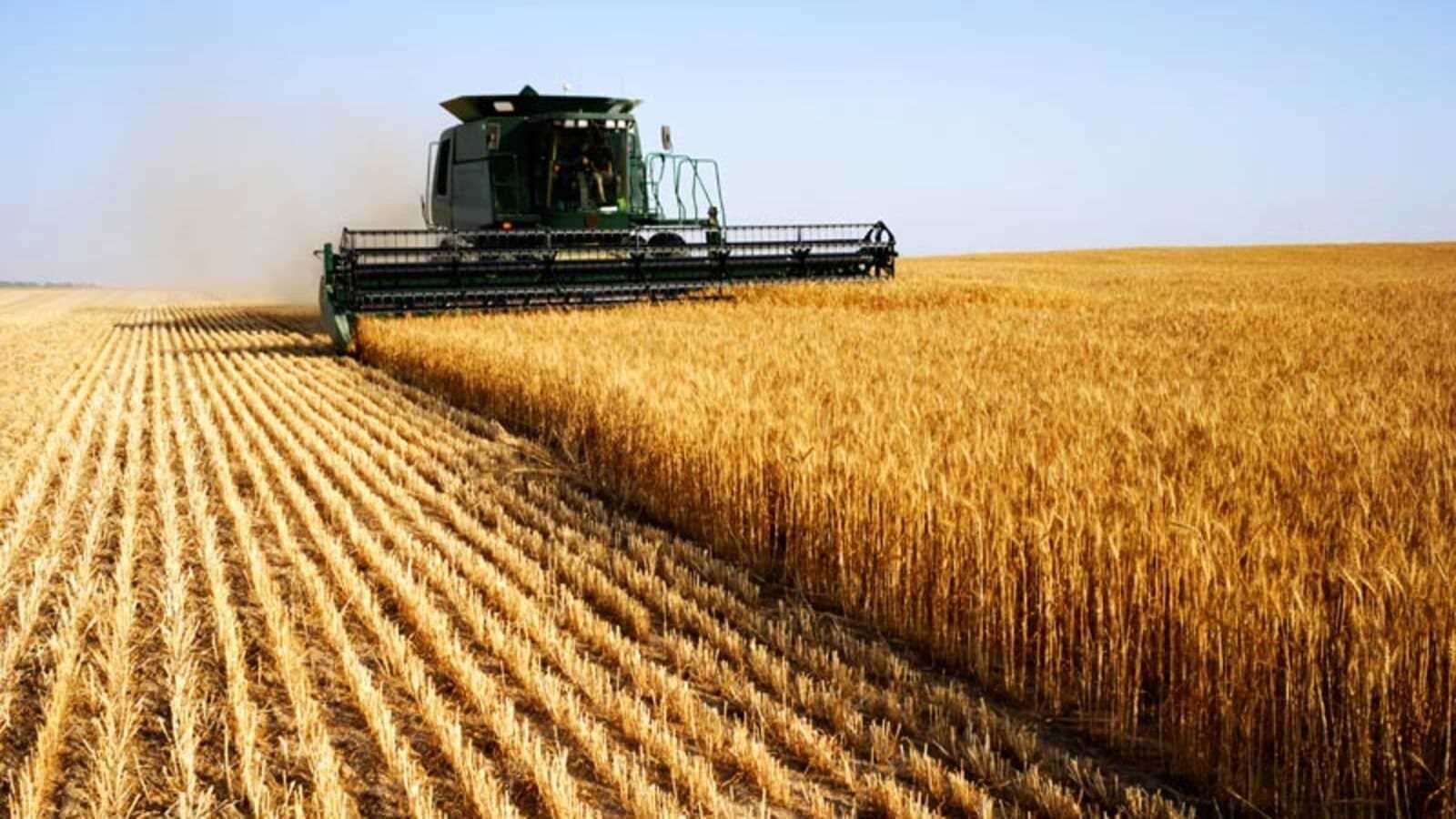
Zimbabwean authorities are preparing to introduce fresh levies on imported grain and oilseed products as part of a broader strategy to expand irrigation infrastructure, reduce dependence on food imports and strengthen preparedness for the anticipated El Niño conditions expected to affect the 2026/27 summer farming season.
According to documents circulating within the agricultural sector, the proposed measures include a US$40 per metric tonne levy on maize imports for a 90-day period, a US$20 levy on soyabean imports until 31 August 2026 and a US$35 levy on soya meal imports over the same timeframe.
Soft wheat imports would attract a levy of US$89.25 per metric tonne for 30 days, while hard wheat imports would face the same levy if companies exceed a prescribed 30% import ratio under the policy framework. The hard wheat levy would apply continuously once the threshold is breached.
The documents state that the measures are “consistent with the spirit behind the promulgation of Statutory Instrument 87 of 2025 Levy Rates, Grains and Oilseeds Sector, including stakeholder consultation outcomes conducted by AMA.”
The proposals build on Statutory Instrument 87 of 2025, the government’s localisation policy aimed at compelling processors, millers, stockfeed producers and food manufacturers to progressively source raw materials locally instead of relying on imports.
Under the framework, processors are required to source at least 40% of their grain and oilseed requirements domestically by April 2026, with the threshold expected to rise to 100% by 2028.
Authorities argue that the levies are not merely punitive import taxes, but part of a financing mechanism designed to bridge the gap between import parity prices and local producer prices. Funds raised are expected to be channelled into the Agricultural Revolving Fund to support irrigation infrastructure and farmer development initiatives.
Government officials say approximately US$5.7 million has already been raised through the levy framework, with US$3.2 million reportedly invested in irrigation infrastructure development covering 850 hectares across 17 rural irrigation scheme business units nationwide.
Internal progress reports indicate projects are at different stages of completion across Mashonaland Central, Mashonaland West, Mashonaland East, Midlands, Manicaland, Matabeleland South, Masvingo and Matabeleland North.
Among the most advanced projects is Nyaitenga Irrigation Scheme in Mashonaland East, which is reported to be 94% complete. Authorities say PVC pipes and pumps have already been delivered, trenching completed and drip irrigation installation is now underway.
At Dinhe Irrigation Scheme in Masvingo, works are reportedly 92% complete, with procurement of materials, pump fabrication, steel fittings and transformer installation already finalised. Testing was scheduled for completion this month.
Government reports also show that Musarurwa Irrigation Scheme in Mashonaland West and Nyamangara Irrigation Scheme have surpassed 80% completion and are awaiting energisation and system handover by ZESA.
Other projects include Dotito Irrigation Scheme in Mashonaland Central, currently at 77% completion, Maparo Irrigation Scheme at 72%, Chimhanda at 61% and Glen Sommerset in Mashonaland East at 74%.
The largest scheme under the programme appears to be Mutema Irrigation Scheme in Manicaland, covering 100 hectares and currently standing at 51% completion.
Related Stories
Authorities say the irrigation programme forms part of Zimbabwe’s broader climate resilience strategy as meteorological agencies continue warning of elevated risks associated with another El Niño cycle during the 2026/27 agricultural season.
Zimbabwe’s agricultural sector remains highly vulnerable to rainfall shocks, with the country emerging from successive drought-affected seasons that severely reduced maize and oilseed output, triggered large-scale grain imports and pushed food inflation sharply higher.
Officials argue that expanding irrigation capacity is critical to reducing reliance on rain-fed agriculture and stabilising cereal production during poor rainfall seasons.
According to government projections, the 850 hectares currently under development could potentially produce around 10,200 metric tonnes of cereals annually across two production cycles.
Authorities estimate the schemes could generate at least US$2.75 million in annual profits, which government intends to recycle into developing another 550 hectares of irrigation infrastructure under what it describes as a revolving fund model.
The strategy is designed to create a self-financing agricultural infrastructure system in which levies imposed on imports are redirected towards boosting domestic production capacity.
Government officials say the long-term objective is to reduce the negative impacts of climate variability and recurring El Niño droughts while progressively lowering Zimbabwe’s food import bill.
Zimbabwe’s dependence on grain imports surged sharply during the 2024 drought season, with the country reportedly spending nearly US$1 billion on grain and oilseed imports after local production collapsed.
Although output improved in 2025 following better rains, authorities maintain that Zimbabwe remains structurally exposed to external food supply shocks and foreign currency pressures.
Agricultural economists say the policy reflects growing concern within government over the sustainability of relying heavily on imported maize, wheat and oilseeds while global commodity prices remain volatile.
However, the policy remains contentious within the private sector.
Millers and processors have previously warned that enforcing local sourcing requirements before domestic production capacity is fully developed could increase input costs and ultimately push up consumer prices.
Farmer unions have largely supported the proposed grain and oilseed levies, arguing that the measures could strengthen Zimbabwe’s agricultural sector by guaranteeing local markets, protecting producer prices and reducing dependence on imports.
They also back the policy because revenues generated through the levies are being channelled into irrigation infrastructure, which many producers view as critical ahead of the anticipated El Niño-induced drought risks facing the 2026/27 farming season.
Agricultural groups argue that expanding irrigation and strengthening local production capacity could improve food security, stabilise rural incomes and reduce Zimbabwe’s vulnerability to global commodity price shocks and foreign currency shortages.
Officials from the Agricultural Marketing Authority have previously defended the levy model as a strategic intervention aimed at rebuilding domestic production systems weakened by years of climate shocks, underinvestment and import dependence.








Leave Comments