




Zimbabwe’s escalating debt burden is increasingly becoming a grassroots governance issue rather than just a macroeconomic concern, as civil society groups move to push public debt debates beyond Treasury and into local communities directly affected by declining public services and fiscal pressures.
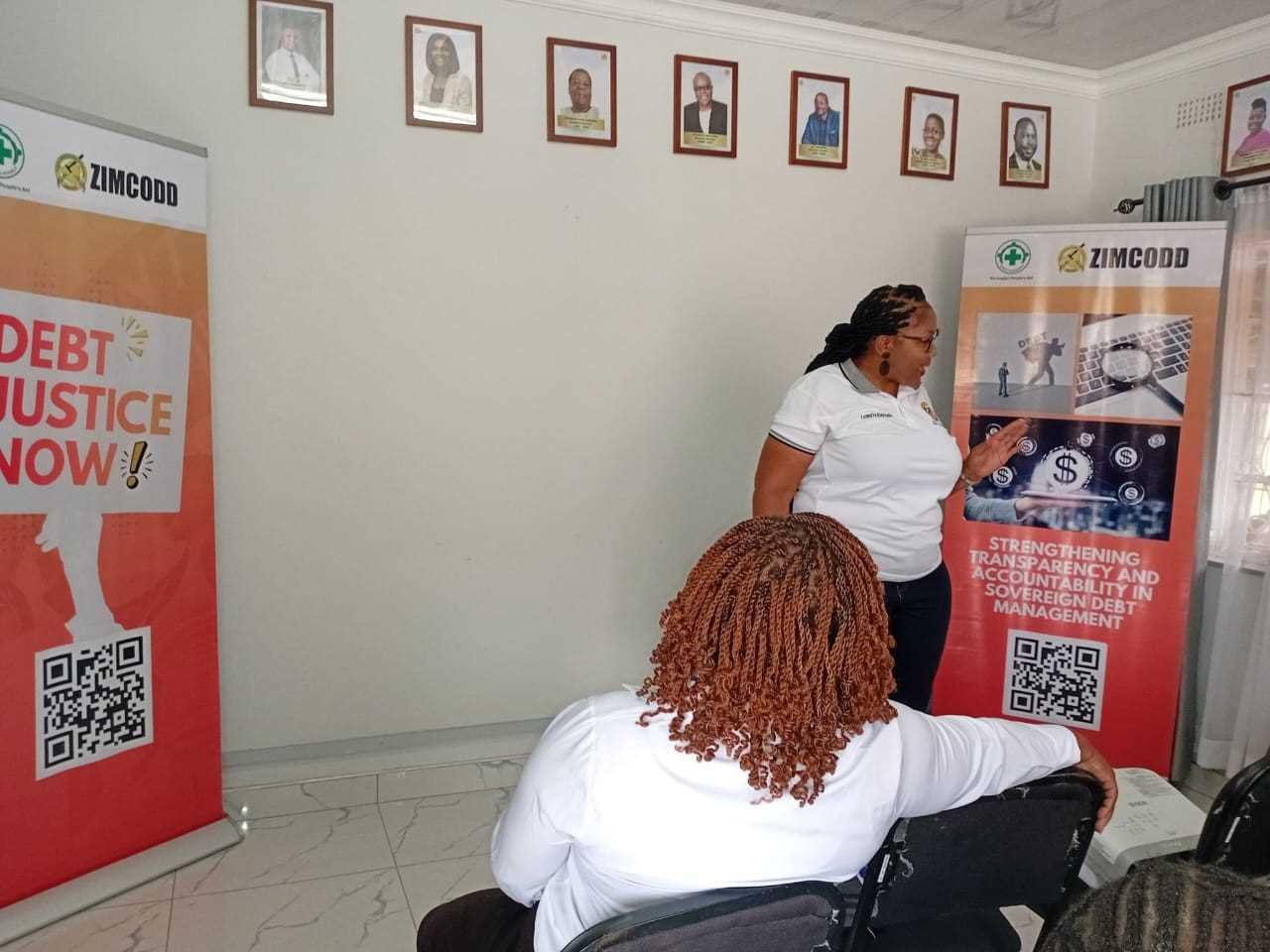
Zimbabwe Coalition on Debt and Development has launched its first Community-Based Debt Justice Hubs, an initiative aimed at strengthening citizen participation in debt oversight, budgeting processes, and public finance accountability amid the country’s worsening sovereign debt crisis.
The organisation said the initiative responds to Zimbabwe’s “deepening sovereign debt crisis, now exceeding US$23.4 billion, which continues to undermine public service delivery, widen inequality and limit investments in critical social services and climate adaptation.”
The figure underscores the scale of Zimbabwe’s long-running debt problem, which has remained one of the central constraints on economic recovery, infrastructure financing, and access to concessional international credit. High debt obligations and arrears have restricted the country’s ability to secure affordable financing from multilateral lenders, increasing dependence on domestic borrowing, taxation, and short-term financing mechanisms.
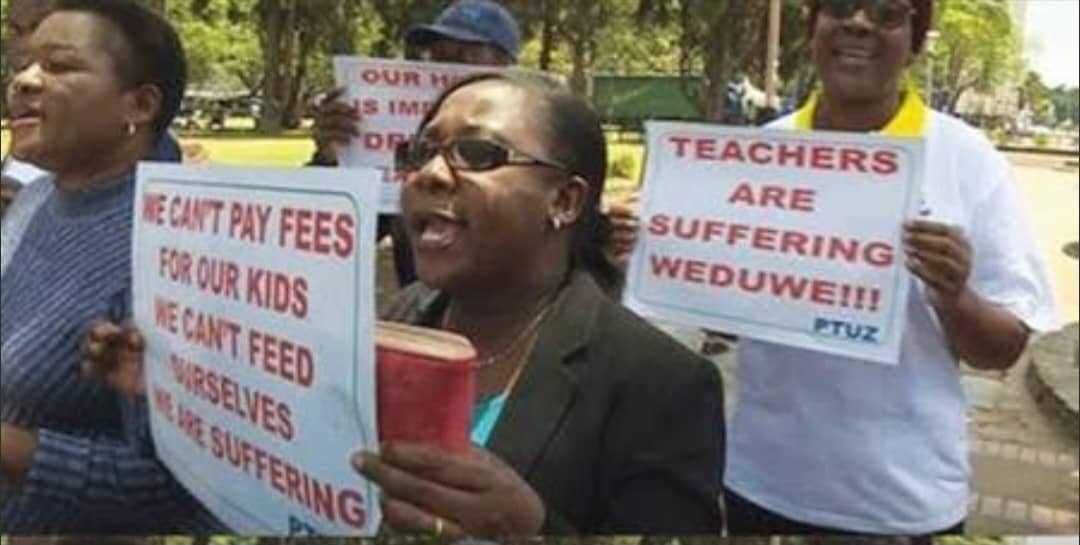
While debt discussions have historically remained concentrated within government and financial institutions, ZIMCODD’s intervention reflects growing attempts to localise fiscal accountability by linking sovereign borrowing directly to lived economic realities such as deteriorating healthcare, weak service delivery, infrastructure deficits, and underfunded social programmes.
Related Stories
According to the organisation, the Debt Justice Hubs are intended to “equip communities, particularly women and youth, with the knowledge, tools and collective power to monitor, influence and demand transparency and accountability in public debt and fiscal governance.”
The hubs will initially operate in Goromonzi, Gweru, and Mutare, serving as platforms for debt literacy, participatory budgeting, budget tracking, and citizen-led monitoring of public finance processes. ZIMCODD said the initiative would also support “community dialogues, citizen-led monitoring, evidence generation and advocacy engagements with local authorities, Parliament and other government institutions.”
The move comes at a time when concerns over Zimbabwe’s fiscal transparency and debt management practices remain elevated. Civil society organisations and economic analysts have repeatedly raised questions around public borrowing oversight, contingent liabilities linked to state entities, and the limited public accessibility of some debt-related agreements and financing structures.
At the same time, the debt burden is increasingly intersecting with broader development pressures. Zimbabwe faces rising demands for climate adaptation financing, social protection spending, and infrastructure investment, yet fiscal limitations continue to narrow the government’s policy space. This has intensified debate around whether debt servicing obligations are crowding out essential social expenditure.
The focus on women and youth is also significant, reflecting growing recognition that fiscal decisions disproportionately affect vulnerable populations through reduced access to healthcare, education, employment opportunities, and social support systems.
However, public finance processes remain highly centralised, while technical debt governance issues are often difficult for ordinary citizens to engage with effectively without sustained institutional support and access to transparent information.







Leave Comments