




By Simbarashe Namusi
Zimbabwe does not suffer from a lack of national consciousness. If anything, it has an abundance of it—highly visible, frequently invoked, and increasingly contested.
From official speeches to state media narratives, the idea of Zimbabwe is constantly reinforced: a sovereign nation born of struggle and fiercely protective of its independence. It is a story shaped by the liberation war and sustained through political memory and institutional repetition.
But in 2026, the central question is no longer whether Zimbabwe possesses a national consciousness.
It is whether that consciousness still reflects how Zimbabweans actually live.
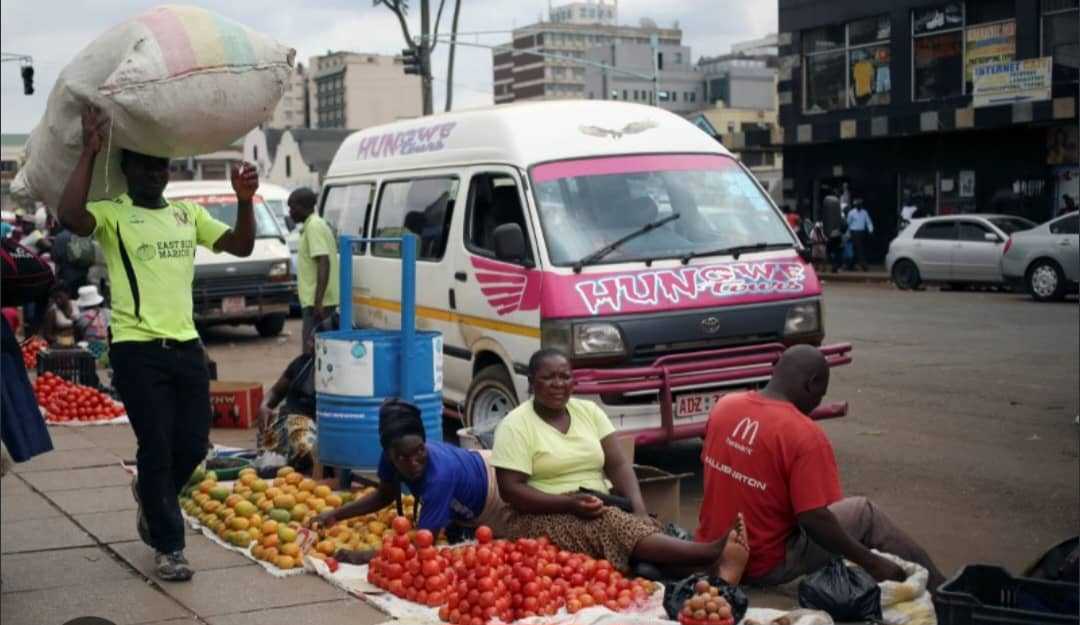
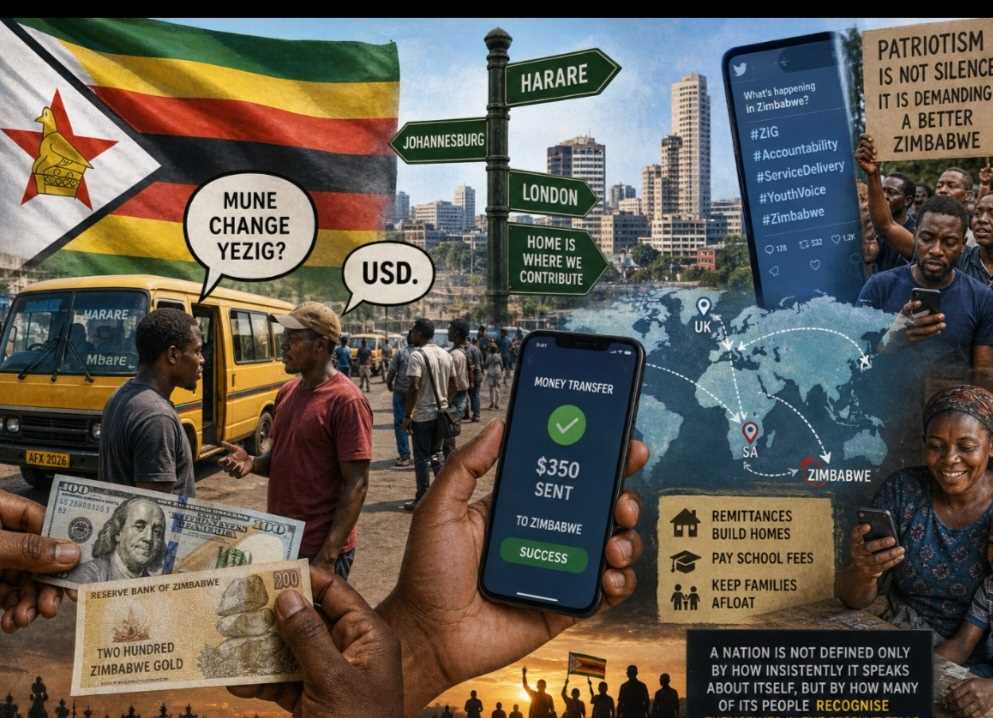
On an ordinary weekday morning in Harare, a commuter boards a kombi and asks a question that now defines the economy: “Mune change yeZiG?” The answer is almost always predictable. The United States dollar moves faster, feels safer and settles transactions with less friction. The Zimbabwe Gold exists—officially endorsed and policy-backed—but trust is negotiated not in policy statements, but in daily exchange.
This is not ideological resistance. It is practical consensus.
And within that quiet consensus lies a subtle transformation: national identity is increasingly defined not by declaration, but by functionality—by what works.
The same recalibration is visible in migration patterns. Millions of Zimbabweans continue building lives abroad, particularly in South Africa and the United Kingdom, sending remittances that sustain families and, by extension, the national economy. These financial flows have become among Zimbabwe’s most reliable economic stabilisers, often arriving with greater consistency than formal policy outcomes.
Belonging, in this context, is no longer strictly territorial. It is functional.
One can live abroad, earn abroad and still remain economically central to Zimbabwe’s survival. National consciousness, once anchored in land and liberation, is now quietly rewritten through digital transfers, cross-border labour and mobile banking platforms.
The digital public square reflects another shift.
Across social media platforms, Zimbabweans actively renegotiate the meaning of patriotism in real time. Policy decisions are dissected instantly. Currency reforms, corruption allegations and service delivery failures rarely pass without scrutiny.
This is no longer a passive citizenry. It is a participatory one.
Yet institutional responses have often leaned toward control. Increasing regulation of online speech and warnings against “unpatriotic” expression suggest a state still attempting to define—and limit—the boundaries of national identity.
Related Stories
Here lies the emerging friction.
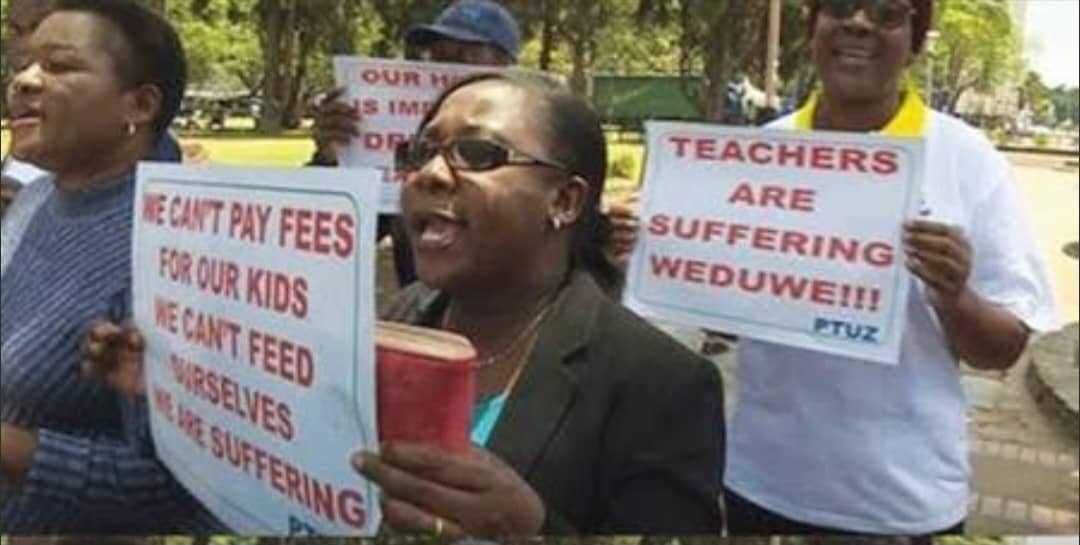
For a growing generation of Zimbabweans, particularly the young, patriotism is no longer measured by alignment but by accountability. To question economic policy, critique governance or demand better public services is not viewed as betrayal; it is understood as civic participation.
This represents a fundamental shift.
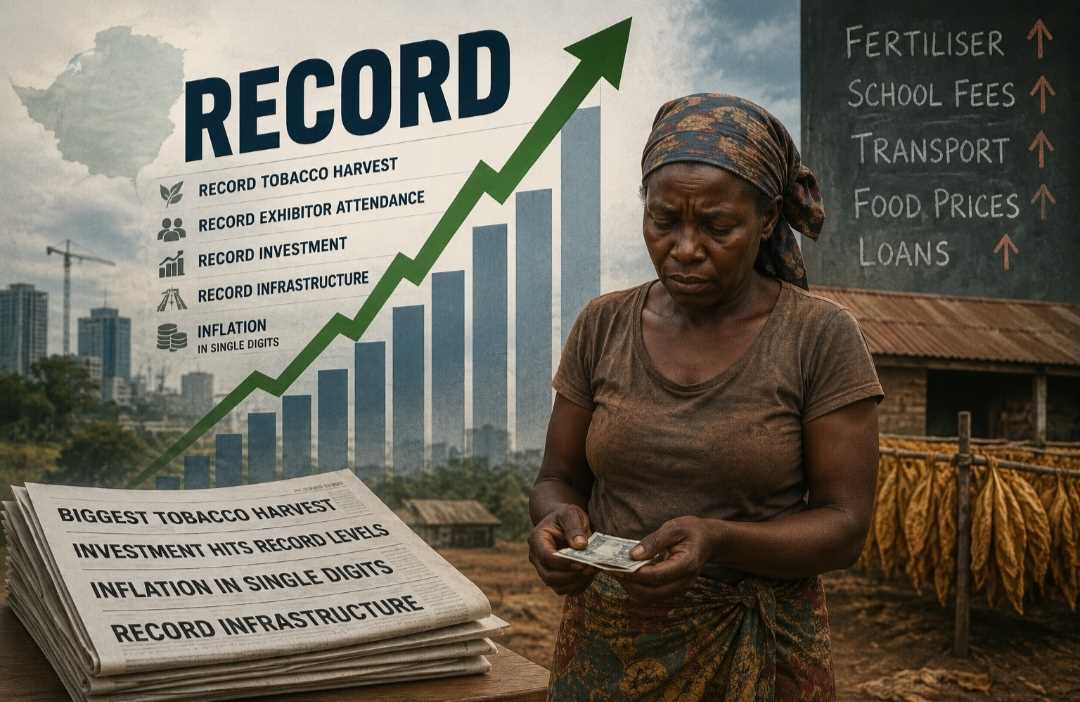
The liberation narrative continues to carry symbolic weight, but it no longer monopolises legitimacy. It now competes with lived experience—of unreliable electricity, volatile pricing and constrained opportunity. Increasingly, citizens measure the nation not by what it once overcame, but by what it currently delivers.
It is at this intersection that Zimbabwe’s national consciousness begins to fragment.
On one level exists an official identity: coherent, historically grounded and carefully managed. On another exists a lived identity: adaptive, pragmatic and increasingly sceptical of grand narratives. Between these two realities lies a widening gap—rarely dramatic, but deeply felt.
Cultural expression mirrors this divergence. Zimbabwean creatives are producing art that blends local realities with global influences, projecting a Zimbabwe that is fluid, hybrid and outward-looking. Their work resists singular definitions.
The state’s imagination of Zimbabwe, by contrast, remains anchored primarily in a singular historical past.
The liberation story has not lost relevance. Rather, it can no longer carry the entire weight of national identity alone. When invoked as the sole measure of belonging, it risks excluding citizens whose realities are shaped less by historical memory and more by contemporary experience.
Unresolved historical moments continue to linger in collective memory—not only because of what occurred, but because of how selectively they are acknowledged. Such silences expose the limits of a curated national narrative. A national consciousness that cannot accommodate complexity eventually struggles to sustain credibility.
What is emerging in Zimbabwe today is not the erosion of national identity, but its diversification.
Multiple versions of Zimbabwe now exist simultaneously—historical, economic, digital and diasporic. None are inherently illegitimate. The tension lies in which versions are recognised and validated.
A resilient national consciousness would not demand uniformity. It would allow contradiction. It would accept that loyalty can coexist with criticism and that identity is strengthened—not weakened—by inclusion.
Because ultimately, a nation is defined not only by how insistently it speaks about itself—
but by how many of its people recognise themselves in the story it tells.
Simbarashe Namusi is a peace, leadership and governance scholar and media expert writing in his personal capacity.
I




Leave Comments