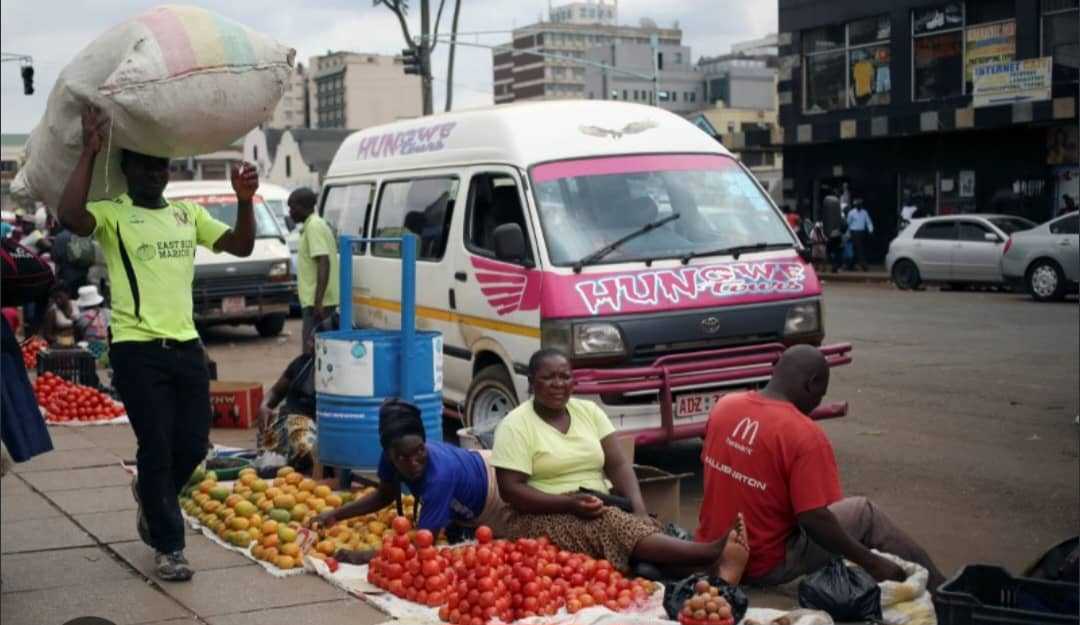





Zimbabwe’s inflation picked up in April, extending a two-month upward trend driven largely by rising food and transport costs, as fuel price increases continue to filter through the economy.
Annual inflation in local currency rose to 4.8 percent in April, up from 4.4 percent in March and 3.8 percent in February, while US dollar inflation accelerated to 2.2 percent, from 1.3 percent and 0.9 percent over the same period. The parallel rise in both measures points to broad-based price pressures rather than isolated currency effects.
The Reserve Bank of Zimbabwe has signaled that the uptick is expected in the short term, stating that inflation is “expected to temporarily increase in the near term to June 2026, before returning to its steady state levels.”
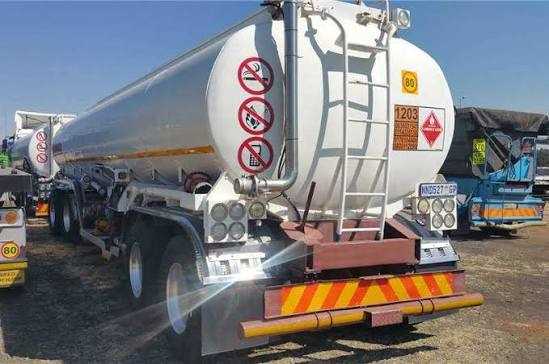
The central bank attributes the recent pressures primarily to fuel price movements, which are feeding into transport and production costs across sectors.
Related Stories
Food and transport remain the dominant drivers of inflation, reflecting Zimbabwe’s sensitivity to energy costs and supply chain dynamics. Recent fuel price hikes are expected to sustain upward pressure in the coming months, particularly through higher distribution and input costs for businesses.
Despite growing calls from industry for monetary easing, the Reserve Bank of Zimbabwe has maintained its policy rate at 35 percent, arguing that the stance is necessary “to contain second round effects of the fuel price increase in the economy.” High borrowing costs, however, continue to weigh on business expansion and working capital, particularly in manufacturing and agriculture.
In its March update, the central bank had already flagged emerging pressures, noting that “the recent oil price shock is expected to increase prices in the near-term,” while maintaining that inflation would “stay within the single digit level throughout 2026 and the outlook.”
The current trajectory suggests a controlled but rising inflation environment, where external shocks—particularly energy costs—are testing price stability.
While inflation remains within single-digit levels, the policy challenge lies in balancing price control with growth, as tight monetary conditions limit credit access in an already constrained economic environment.







Leave Comments