






Zimbabwean officials are presenting a new public complaints mechanism in Stockholm this week, even as similar feedback systems at home remain underutilised and largely invisible to citizens.
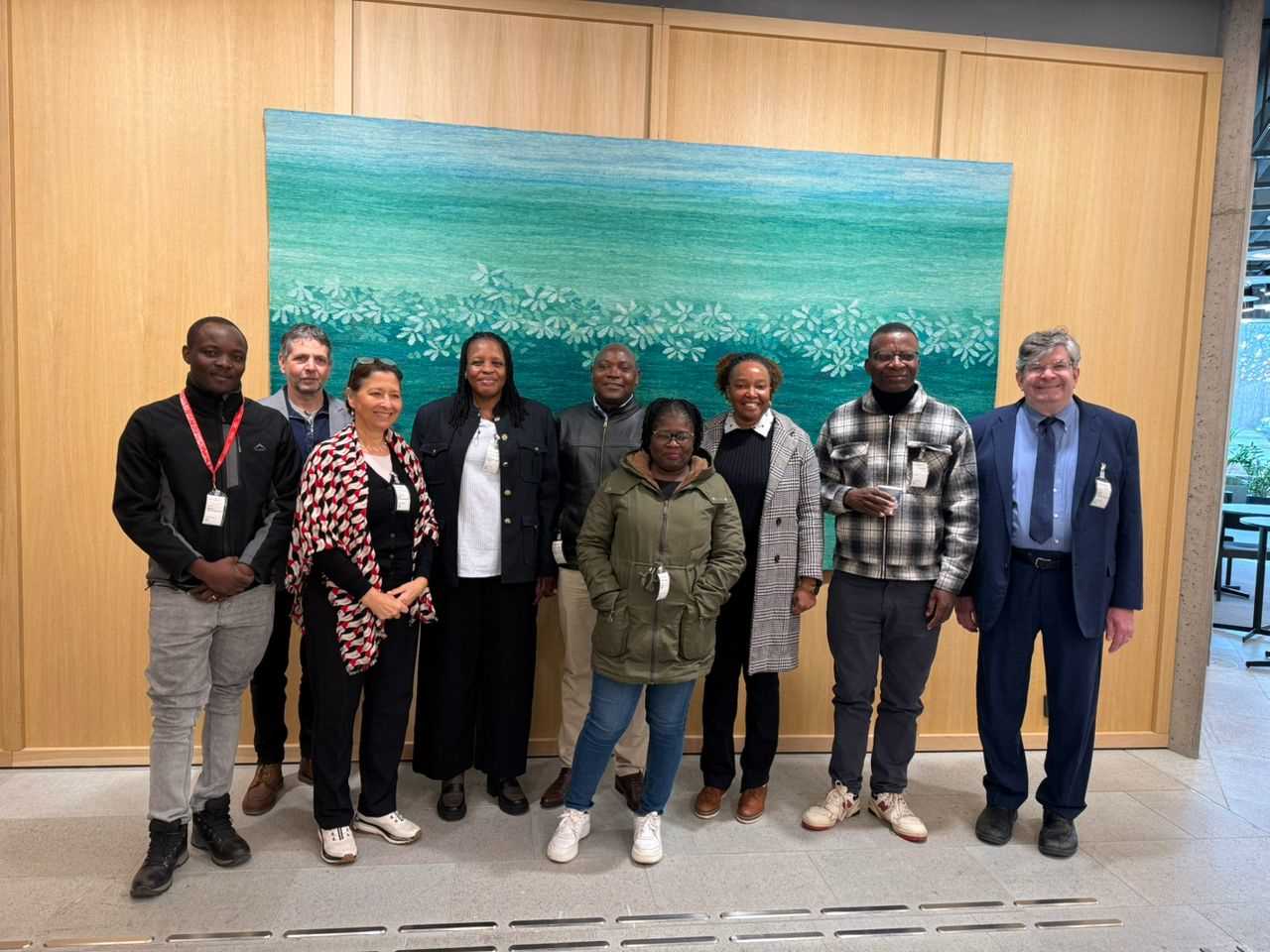
The delegation, part of a social protection training programme, is showcasing progress on a proposed Grievance Redress Feedback Mechanism, positioned as a tool to improve accountability and responsiveness in public service delivery under the National Development Strategy 2 (NDS 2).
According to the Ministry of Public Service, the GRFM is a “citizen-centered system designed to enable stakeholders to report complaints, provide feedback, and receive timely resolutions.”
But evidence from existing sectors suggests Zimbabwe’s core challenge is not the absence of complaint systems, but low usage and weak public awareness.
In social welfare programmes, including cash transfers, grievance channels already exist on paper. Yet uptake remains limited, with many beneficiaries either unaware of reporting pathways or sceptical that complaints will produce results. In rural districts, access barriers—including distance, digital exclusion, and literacy gaps—further reduce participation.
Related Stories
The result is a feedback deficit: complaints are not systematically captured, and policy adjustments are often made without reliable citizen input.
The ministry argues the mechanism will go beyond complaint handling, describing it as “a strategic instrument for realizing NDS 2’s vision of efficient, accountable, and people-driven administration.”
However, similar centralised models have historically depended less on design and more on enforcement, particularly whether institutions are compelled to respond within set timeframes and whether outcomes are tracked.
Zimbabwe’s public sector has struggled on that front. In many departments, complaint handling is treated as an administrative function rather than a performance indicator, with limited transparency on resolution rates.
Officials are expected to present the system as part of broader reforms aligned with NDS 2, which prioritises responsive governance and inclusive social protection. The delegation also met Zimbabwe’s ambassador to Sweden, Priscilla Misihairabwi-Mushonga, during the visit.
The ministry maintains that the GRFM will strengthen “transparency, confidence, and accountability in public service delivery.”






Leave Comments