




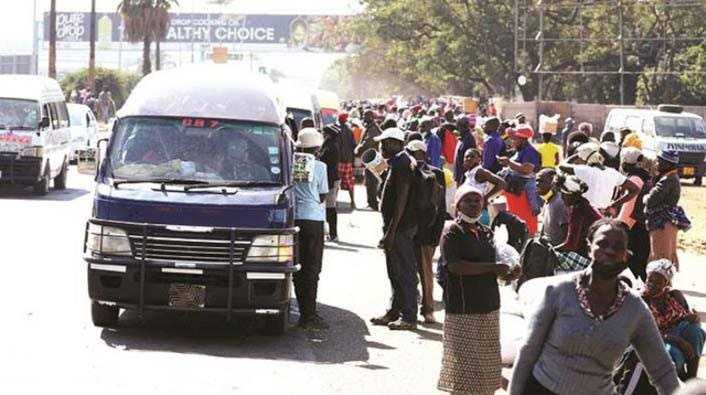
Public anger is boiling over as commuters accuse transport operators, police and regulators of presiding over a chaotic fare system that is draining incomes and pushing already strained households deeper into financial distress.
In interviews with ZimNow , residents described what they called a broken regulatory system where fares shift without notice, touts operate openly and law enforcement appears unable or unwilling to restore order.
“Regulations are long overdue. What is stopping Government from addressing these issues?” said Tawanda Muchengeti.
“We have touts operating just adjacent to the charge office who still terrorise commuters. Anyone seen trying to do the right thing is chased away.”
Commuters said fare inconsistencies are now routine.
Travel attracts random charges unrelated to distance, and pricing fluctuates depending on roadblocks, weather and time of day.
“If Norton–Harare is US$2, what justifies Chitungwiza–Harare at US$2?” asked Farai Zhou.
“Operators say it’s because of potholes, but how is that the consumer’s concern? It is not like the money goes towards fixing the roads. That is pure extortion.”
Others argue that part of the confusion stems from policy gaps.
Roy Matambanadzo said attempts to seek clarity from authorities have yielded little progress.
Related Stories
“We informed the relevant Ministry several times about fare hikes, but we were told to report operators to law enforcement,” he said
“The police then said there is no fare table for local transport, making enforcement difficult. The Statutory Instrument that liberalised fares during inflation was never repealed, leaving a gap.”
Allegations of corruption have further inflamed tensions.
Kudakwashe Gono said roadblocks are factored into commuter pricing.
“A kombi driver said on radio that fares are hiked because there are too many police roadblocks,” he said.
“From Norton to Harare, you can find four police blocks within short distances. These kombis pay their way, and the cost is passed to commuters.”
Munyaradzi Chidhakwa said failure to address systemic weaknesses will only worsen the crisis.
“If underlying problems are not resolved, unfair practices will continue. Anti-corruption agencies should act against corrupt officers. If salaries are inadequate, that should be addressed at employer level not by burdening commuters,” he said.
With commuters now spending an estimated minimum of US$4 daily on return trips into the capital, calls for urgent intervention are intensifying.
They said what was once a transport system is now an unpredictable daily gamble, one they can no longer afford.








Leave Comments