



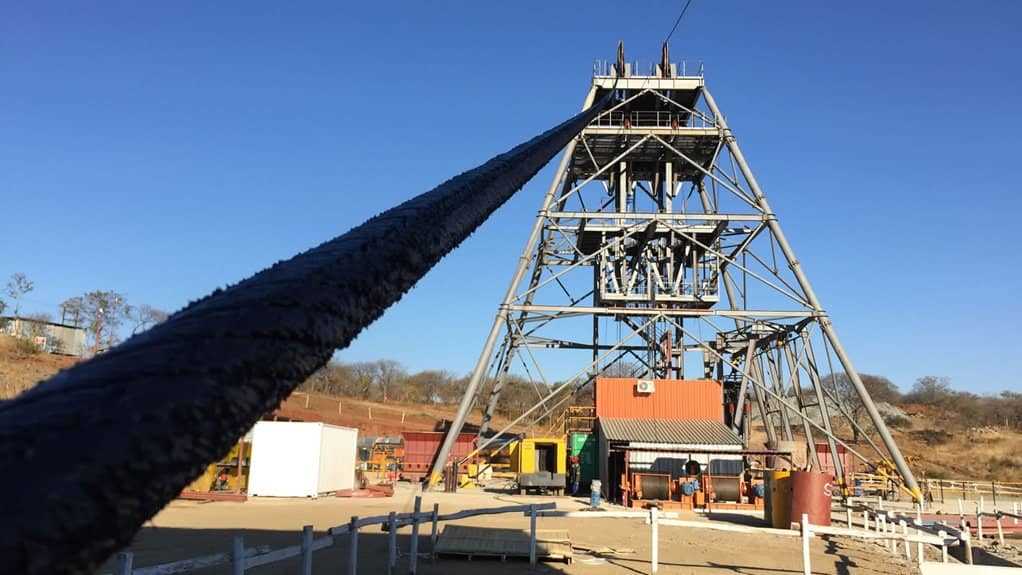
Zimbabwe’s ambitions to position lithium as a cornerstone of its green industrialisation drive are being undermined by persistent power shortages, weak transport infrastructure and policy bottlenecks, a new mine-to-market study has found.
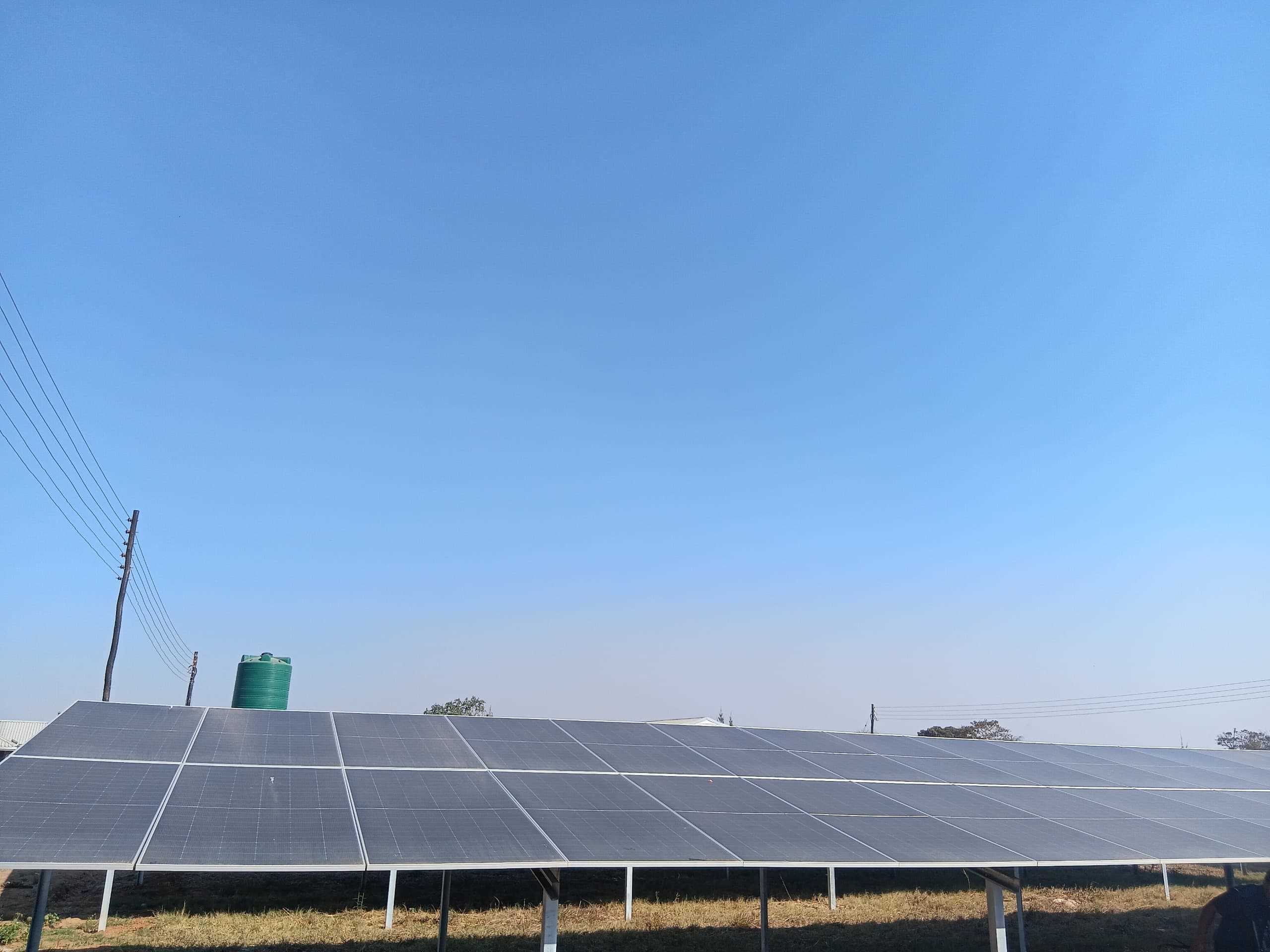
The 2025 situational report tracking lithium from extraction to export warns that unreliable electricity supply is emerging as one of the most critical constraints across large-scale and medium-scale lithium operations, forcing some producers into environmentally contradictory energy choices.
“Limited access to water and persistent power shortages” were cited by mining companies as central features of what the report describes as a “constrained operating environment” for lithium producers.
Related Stories
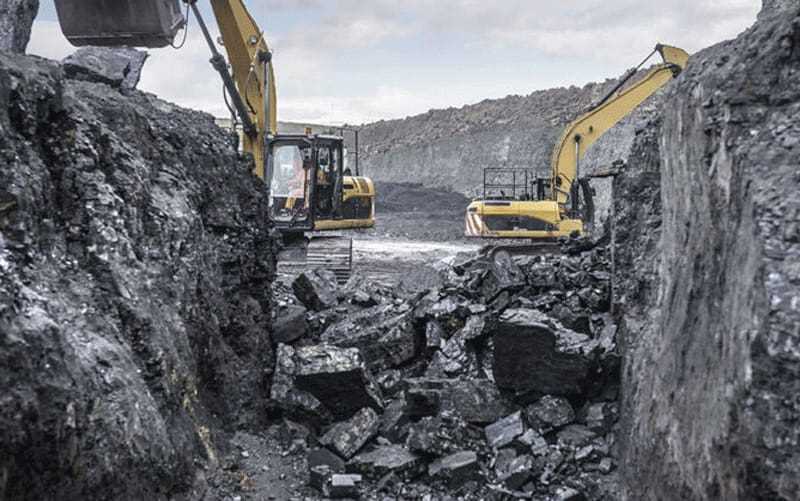
The study documents cases where lithium miners extracting a mineral essential to the global clean-energy transition—are turning to fossil-fuel power generation to sustain operations. It notes that “some large-scale miners, such as Sabi Star, are constructing coal-or-thermal-powered plants for self-generation of electricity,” describing the situation as “ironically… using fossil fuels to extract lithium, a mineral central to clean energy technologies.”
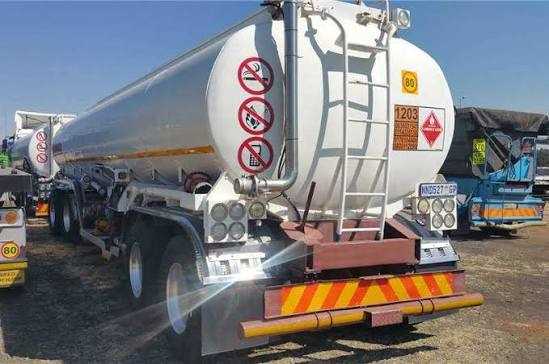
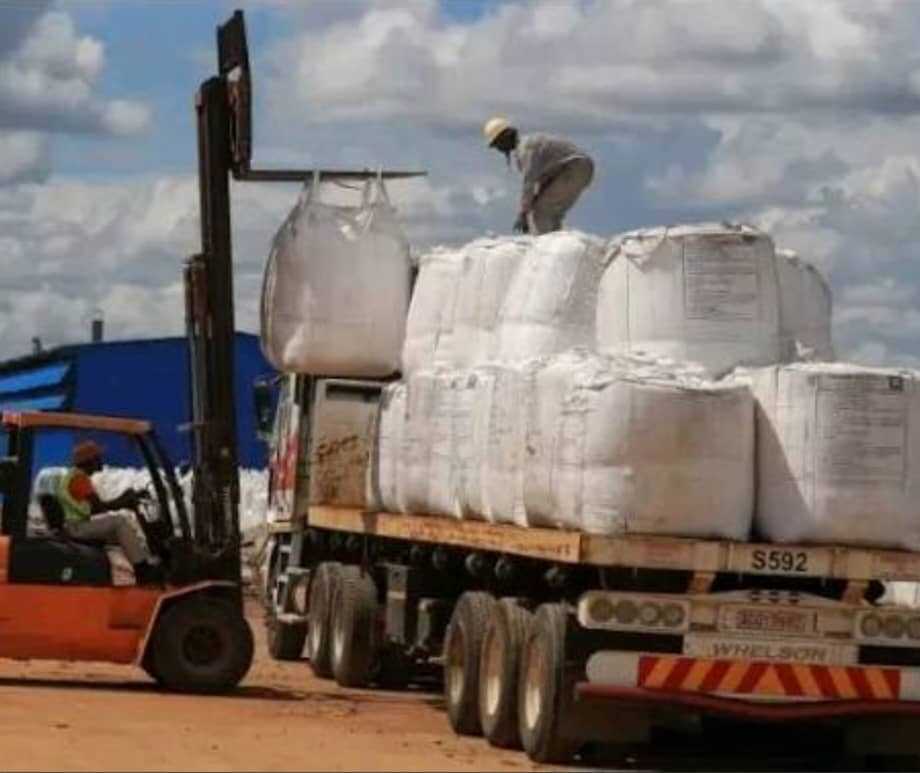
Beyond power, infrastructure failures along transport corridors are compounding costs and slowing value addition. The report records that “poor road networks in areas like Gwanda, Mberengwa, Mutoko and Kamativi severely hinder logistics,” with the Kamativi–Bulawayo route singled out as “particularly degraded, making mineral transport difficult.”
While Zimbabwe has more than nine operational lithium mines and over 17 approved processing plants, the study concludes that deeper beneficiation remains limited, warning that without reliable electricity, rail rehabilitation and policy certainty, the country risks remaining an exporter of concentrates rather than a participant in battery and green manufacturing value chains.
The report recommends urgent investment in renewable self-generation, rail and road rehabilitation, and removal of barriers to clean-energy financing, arguing that without these reforms, lithium’s promise to drive sustainable economic transformation will remain structurally constrained.






Leave Comments