







Zimbabwe is strengthening its position as Africa’s tobacco powerhouse, with Cut Rag Processors emerging as a key player in regional processing and manufacturing following the planned exit of British American Tobacco South Africa from local cigarette production.
BATSA has announced it will close its only manufacturing plant in Heidelberg, Gauteng, by the end of 2026, citing the collapse of the legal cigarette market under pressure from illicit trade. The facility, which has been operating at about 35 percent capacity, will shut after more than 70 years of local production, resulting in the loss of approximately 1,500 jobs.
Despite the closure, the company will continue supplying the South African market through imports while retaining its Johannesburg Stock Exchange listing.
The shutdown has created a processing and manufacturing gap in Southern Africa — one that Zimbabwean firms are increasingly positioned to fill. Zimbabwe is already Africa’s largest tobacco producer, and recent investments in domestic processing capacity are shifting the country from a leaf exporter to a regional value-addition hub.
CRP, one of Zimbabwe’s largest tobacco processors and exporters of cut rag, has placed sustainability, domestic processing and farmer support at the core of its strategy. The company says its operations align with the Tobacco Industry and Marketing Board’s vision for environmentally responsible production, including sustainable curing practices and natural resource protection.
In November 2025, President Emmerson Mnangagwa commissioned a US$102 million integrated expansion at CRP, making it Africa’s largest tobacco processing plant. The facility has the capacity to process three million kilogrammes of cut rag per month and produce up to 60,000 cigarette master cases monthly. It combines primary and secondary manufacturing lines, enabling processing from leaf to finished cigarettes within a single operation.
Related Stories
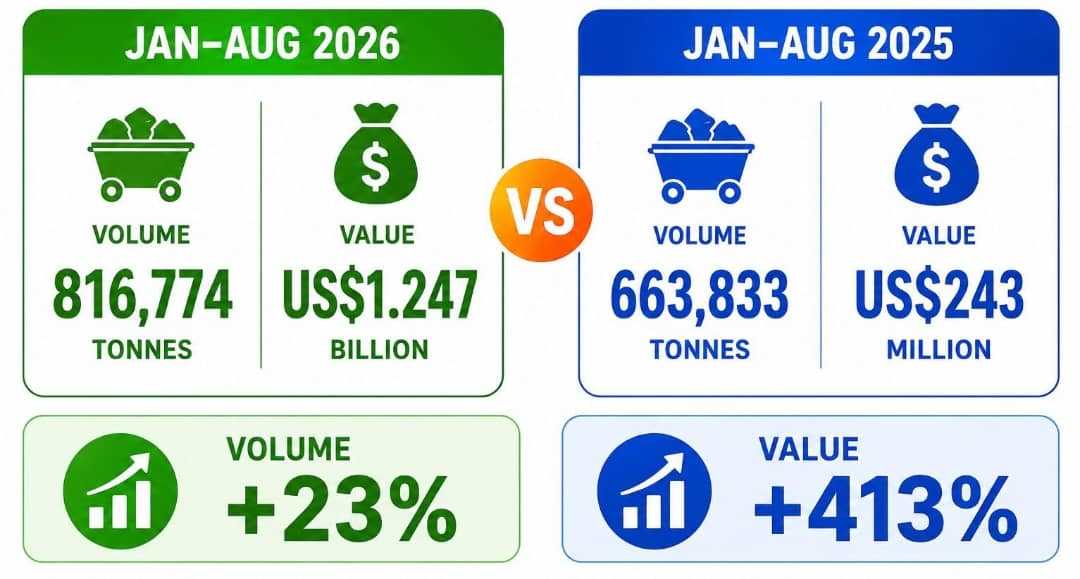
The investment followed a record 2025 tobacco marketing season, during which Zimbabwe produced an estimated 354–355 million kilogrammes of tobacco valued at about US$1.2 billion. The output placed the country among the world’s top six tobacco producers and reinforced the crop’s role as a major foreign-currency earner, contributing more than 25 percent of national export earnings.
CRP management says the expansion allows Zimbabwe to retain more value locally by exporting refined cut rag and finished cigarettes rather than semi-processed leaf, while creating employment across processing, packaging and support services. The company also highlighted partnerships with growers, describing farmers as the backbone of the industry.
Despite Zimbabwe’s production dominance, most tobacco is still exported in semi-processed form. Industry data shows that in 2024 only about 10 percent of tobacco earmarked for value addition was processed locally. Under the Tobacco Value Chain Transformation Plan, authorities aim to increase value-added tobacco to 25 percent of total output.
Analysts say investments such as CRP’s significantly expand national processing capacity and position Zimbabwe to play a larger role in the regional tobacco value chain, particularly as South Africa’s manufacturing base contracts.
However, they caution that long-term gains will depend on efficiency, competitiveness, market development, and the ability to adapt to shifting consumer preferences and regulatory pressures.
With BATSA’s exit reshaping the regional industry landscape, Zimbabwe — anchored by firms such as Cut Rag Processors — is increasingly emerging not only as Africa’s largest tobacco producer, but also as a growing centre for tobacco processing, manufacturing and value addition.








Leave Comments