





ZimNow News Desk
For 87 young people in Chitungwiza and surrounding Seke communities, the path towards self-reliance is taking shape through sewing machines, baking ovens and practical vocational training.
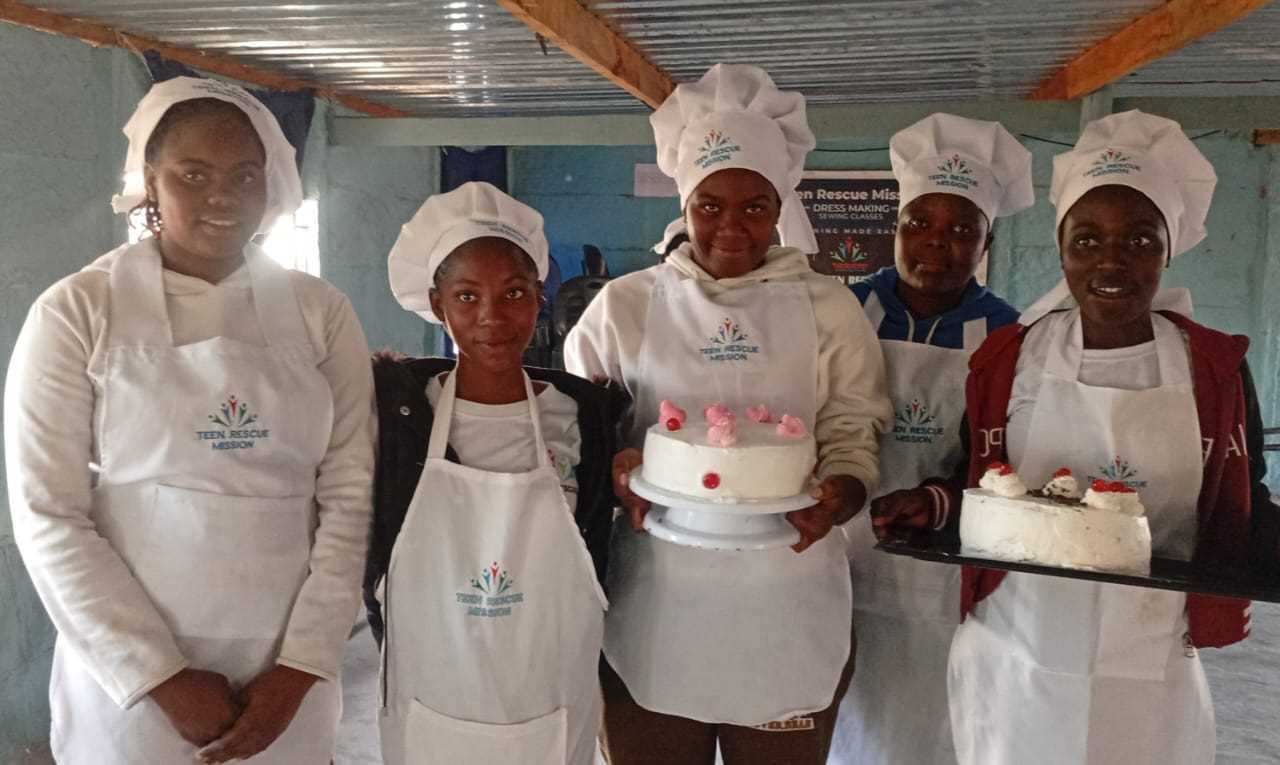
Teen Rescue Mission is running sewing and baking classes at Chigovanyika and Besa Village as part of efforts to help young people move away from drug and substance abuse, crime, early pregnancies and economic dependency.
The programme has received industrial sewing machines, industrial baking stoves and baking ingredients through Hope Harbour, an initiative supported by the Chinese Embassy in Zimbabwe.
Teen Rescue Mission founder Abraham Matuka said the equipment had strengthened the organisation’s ability to provide young people with practical skills that could be turned into sustainable livelihoods.
“These donations have played a significant role in equipping young people with practical vocational skills, enabling them to become self-reliant and create sustainable livelihoods,” Matuka said.
TRM is a youth organisation based in Seke, Chitungwiza, which works with young people affected by drug and substance abuse and those considered vulnerable to crime, early pregnancies and unemployment.
The organisation combines rehabilitation and prevention work with empowerment programmes designed to give young people alternatives to idleness and substance abuse.
Matuka said 87 youths were currently benefiting from the Hope Harbour-supported programme.
“We have classes with machines in Chigovanyika and Besa Village,” he said.
Participants are being trained in sewing and baking, skills that can lead to employment or allow them to establish small businesses producing clothes, uniforms, bread, cakes and other goods for their communities.
The initiative has particularly benefited girls and women, who often face additional barriers to training, employment and access to business equipment.
Related Stories
“The initiative has particularly benefited the girl child and women in the community,” Matuka said.
“Through sewing and baking, they have gained valuable skills, increased confidence and a renewed sense of empowerment.”
The programme reflects a shift from treating young people only as victims of drug abuse and poverty towards giving them the tools to shape their own futures.
For a participant learning to sew, an industrial machine can become the foundation of a tailoring business. For someone receiving baking training, an oven and basic ingredients can open a pathway into food production and catering.
Matuka said the intervention was intended to produce more than trained beneficiaries.
By equipping young people with marketable skills, TRM hopes participants will be able to earn incomes, support their families and become less vulnerable to substance abuse, crime and exploitation.
Teen Rescue Mission expressed appreciation to Hope Harbour and the Chinese Embassy for investing in young people at community level.
“We extend our heartfelt gratitude to His Excellency Ambassador Zhou Ding for the unwavering support of Zimbabwe’s youth,” Matuka said.
“His commitment to empowering young people is an investment in the future generation, and we deeply appreciate his kindness and generosity.”
The Hope Harbour programme was launched by the Chinese Embassy as part of efforts to support young Zimbabweans through skills development and initiatives aimed at preventing drug and substance abuse.
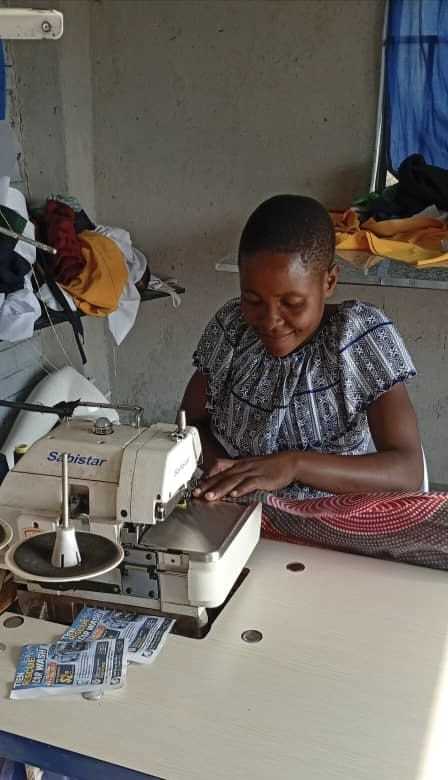
At Chigovanyika and Besa Village, that support is now being translated into daily classes and tangible skills.
The success of the programme will ultimately be measured through the experiences of the 87 young people behind the figure: what brought them to Teen Rescue Mission, what they have overcome and what they hope to build with the skills now in their hands.
Zim Now will speak to three of the participants in a follow-up article exploring their journeys before and after joining the programme.





Leave Comments