







Public Service, Labour and Social Welfare Minister Edgar Moyo has called for stronger international cooperation to manage the impact of artificial intelligence and automation on workers, warning that while the technologies offer productivity gains, they also risk deepening inequality and job insecurity if left unchecked.
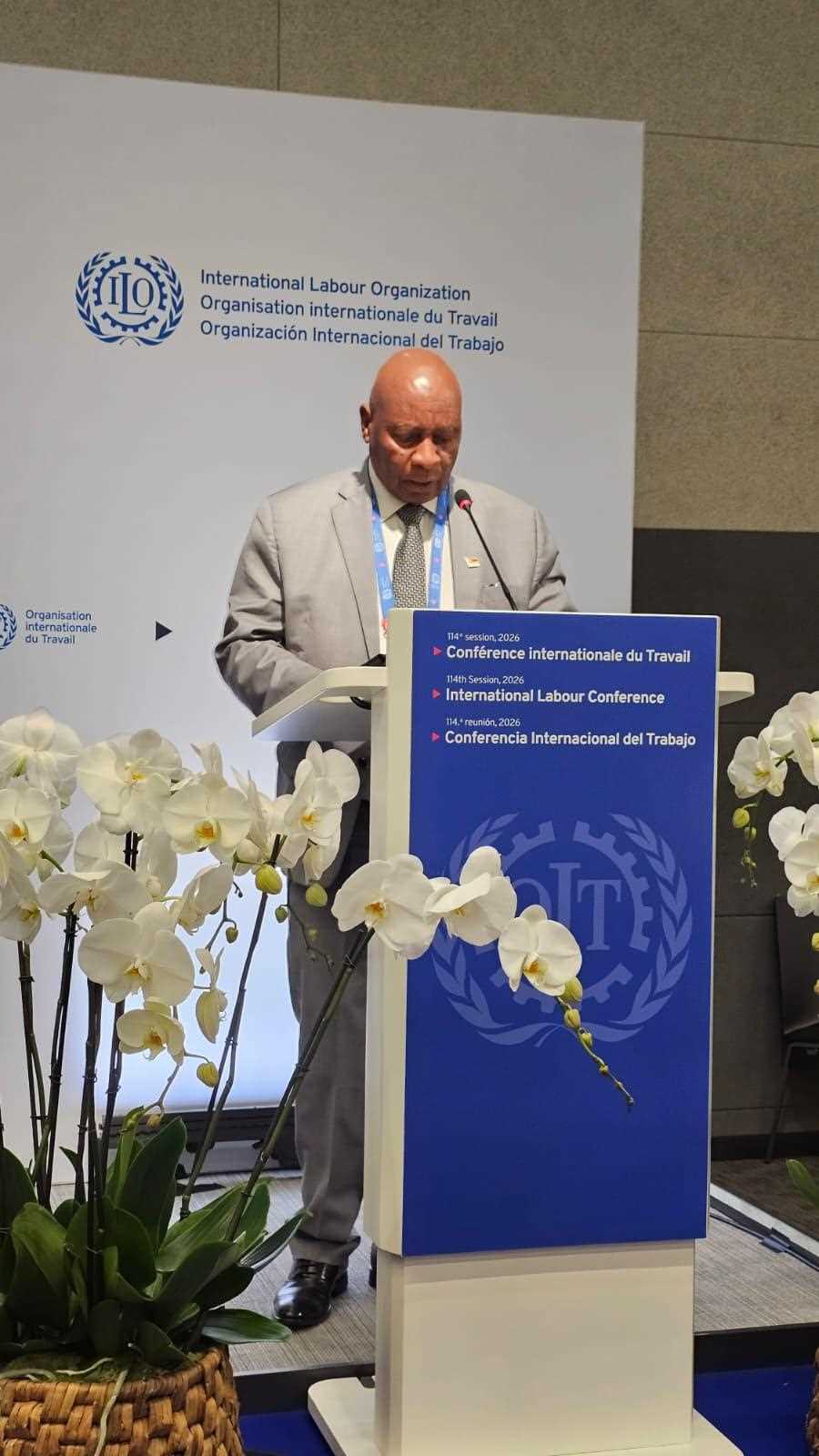
Speaking at the 114th Session of the International Labour Organization International Labour Conference in Geneva, Moyo urged governments, employers and workers' representatives to pursue what he described as "human-centred transitions" in response to rapid technological change.
"The rapid advancement of artificial intelligence and automation technologies is fundamentally reshaping the world of work. The dynamics include amongst others, a shift in the nature of work across industries, employment relationship models and skill requirements," Moyo said.
He warned that the benefits of AI must be weighed against its potential social and economic consequences.
"Despite AI's undeniable gains such as productivity, innovation and human resources management, its rapid integration brings significant challenges such as rising and widening inequality, job insecurity, automated and unfair dispute settlement systems as well as ethical and social risks."
The intervention comes as AI has emerged as one of the dominant themes at the 114th International Labour Conference, which has brought together government, employer and worker representatives from the ILO's 187 member states to discuss major transformations affecting the world of work. Discussions this year include the future of work, digital platforms, social dialogue and the impact of technological change on labour markets.
Moyo's remarks also reflect growing global concern over the labour market consequences of automation. The ILO has identified AI as one of the defining issues facing workers and employers, noting that technological change could either improve productivity and living standards or exacerbate exclusion and inequality depending on how governments regulate its deployment.
For Zimbabwe, the debate carries particular significance given the country's demographic profile and employment structure. According to the 2022 Population and Housing Census, more than 61% of Zimbabwe's population is below the age of 35, while the majority of workers are employed in the informal economy rather than formal wage employment. A transition towards AI-driven production systems could therefore have profound implications for future employment opportunities, skills development and labour protection.
Related Stories
The warning also comes against a backdrop of accelerating digitalisation globally. The launch of generative AI systems since 2022 has triggered intense debate among policymakers and labour organisations over the future of jobs, with concerns ranging from job displacement and algorithmic management to workplace surveillance and wage inequality.
ILO Director-General Gilbert Houngbo has similarly argued that the future impact of AI is not predetermined and will depend on governance frameworks, labour protections and social dialogue between governments, employers and workers. The organisation says the challenge is ensuring that technological innovation strengthens decent work rather than undermining it.
Moyo called on the international community to adopt a coordinated response to the challenges posed by emerging technologies.
"Collective action is therefore very pertinent towards human-centred transitions in response to AI and digitalization. As the ILO, we need to work together to regulate and mitigate the negative effects of AI in the world of work."
His intervention reflects discussions at the conference on how labour standards should evolve in response to technological disruption. The conference is examining issues including platform-based employment, social dialogue and workplace governance as governments seek to adapt labour regulations to rapidly changing economic realities.
While AI adoption remains relatively limited across much of Zimbabwe's economy compared to advanced economies, experts argue that the country cannot afford to ignore the issue. The growing use of digital platforms, automated systems and artificial intelligence in sectors such as banking, telecommunications, customer services and manufacturing is already beginning to alter workplace practices and skills requirements.
The challenge for policymakers, analysts say, will be balancing technological innovation with employment protection and workforce reskilling. Without adequate investment in digital skills and labour safeguards, there are concerns that the benefits of AI could be concentrated among a small segment of firms and workers while widening existing economic inequalities.
The International Labour Conference runs from 1 to 12 June and serves as the ILO's highest decision-making forum, often described as the world's parliament of labour. Delegates from governments, employers and workers use the annual gathering to shape international labour standards and debate emerging challenges facing the global workforce.





Leave Comments