







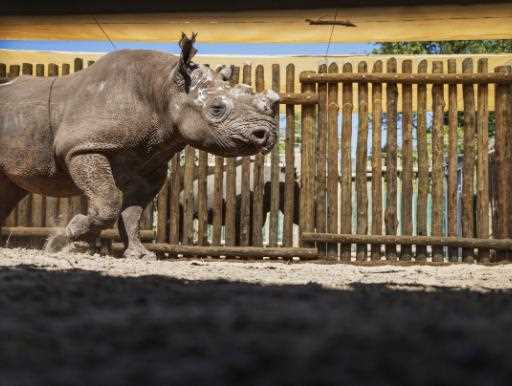
More than three decades after poaching wiped out one of Zimbabwe's most important black rhino populations, the critically endangered species has returned to Matusadona National Park in a landmark conservation breakthrough that is being hailed as one of the country's most significant wildlife recovery successes in recent years.
The return of black rhino to the Sebungwe landscape restores a species that once defined Matusadona and formed part of Zimbabwe's largest contiguous black rhino population before organised poaching devastated numbers during the late 1980s and early 1990s.
The reintroduction is expected to strengthen Zimbabwe's National Rhino Strategy while contributing to efforts aimed at rebuilding the country's rhino population and securing the future of one of Africa's most threatened species.
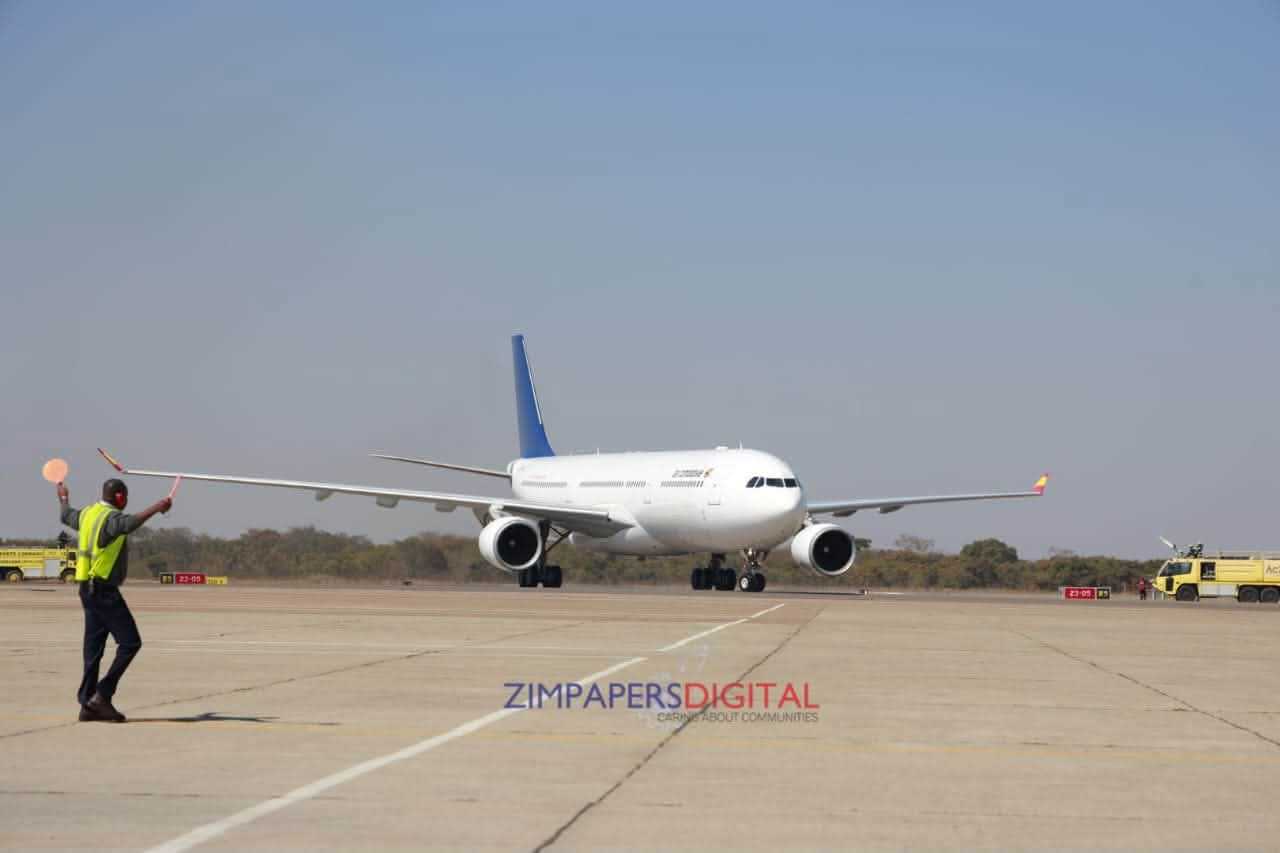
The animals were sourced from Imire Rhino and Wildlife Conservancy, Matobo National Park and another protected location before being airlifted to Matusadona National Park on the shores of Lake Kariba.
Following years of planning and preparation, the rhino will be gradually released into a secure 175-square-kilometre Intensive Protection Zone where they will be monitored around the clock using advanced tracking technology.
Zimbabwe Parks and Wildlife Management Authority Director-General Professor Edison Gandiwa described the development as a historic moment for both the country and wildlife conservation.
"The return of black rhino to Matusadona National Park is a historic event and a proud moment for Zimbabwe's conservation efforts. It is a testament to what is possible when government, conservation organisations, and local partners work together with shared purpose," said Prof Gandiwa.
"ZimParks has always known that Matusadona has the habitat and now, through this partnership, the security and management capacity to support a viable population. Today, that conviction has been realised."
The return carries special significance because some of the animals are descendants of rhino that were removed from Matusadona more than 30 years ago when poaching reached crisis levels.
Conservationists said the decision by wildlife authorities to relocate surviving animals during that period ultimately saved the species from local extinction and preserved valuable genetics that are now being restored to their original range.
Imire Rhino and Wildlife Conservancy manager Reilly Travers said the return represents the culmination of decades of conservation work.
"Words cannot describe the feeling of watching these rhino touch ground once again in Matusadona. It is a moment filled with pride, hope, and belief in the power of long-term partnership and shared vision," he said.
"Today is not only about the rhino themselves, but about the extraordinary dedication shown over the past 25 years by rangers, conservationists, partners and local communities who helped safeguard these animals for their eventual return to their rightful home range."
Related Stories
For many conservation veterans, the return marks the closing of a painful chapter in Zimbabwe's wildlife history.
Matusadona National Park manager Michael Pelham, who witnessed the species' disappearance from the area in the 1990s, said seeing the animals return was deeply emotional.
"I was here in the 1990s when we lost them. I helped capture the last survivors, we crated them and flew them out to safety, not knowing if the species would ever come back," he said.
"Having witnessed the rhino's catastrophic decline in Matusadona, it is incredibly emotional to see their return. Matusadona is synonymous with black rhino."
The operation has also received strong backing from local communities living around the park, with traditional leaders including Chiefs Mola, Masampakaruma, Nebiri and Negande actively supporting the reintroduction programme.
Matusadona Conservation Trust country manager Daniel Sithole said the project belongs to Zimbabweans.
"This is not a project imported from elsewhere. These animals carry the genetics of this landscape. Their return belongs to Zimbabwe, and to every Zimbabwean who always planned and hoped for their return," he said.
African Parks chief executive officer Peter Fearnhead said the return demonstrates what sustained conservation investment can achieve.
"Once again, the black rhino is an icon in this magnificent landscape," he said.
The recovery of Matusadona has been driven by long-term partnerships between ZimParks, African Parks, local communities and international conservation organisations since the signing of a 20-year management agreement in 2019.
The reintroduction is being viewed as more than the return of a species. It signals the restoration of one of
Zimbabwe's most iconic wildlife landscapes and reinforces the country's growing reputation as a leader in African conservation.
For a park that once lost its most celebrated resident, the sight of black rhino roaming Matusadona once again represents a powerful symbol of recovery, resilience and hope.





Leave Comments