







The long-awaited reopening of Zimbabwe’s National Sports Stadium has been met with both celebration and criticism, as concerns emerge over the design of newly renovated ablution facilities at the iconic venue.
The stadium officially reopened on May 31 with a Castle Lager Premier Soccer League clash between Scottland FC and CAPS United, marking the first match played at the facility after nearly five years of closure and extensive refurbishment.
The match served as an operational test event ahead of the full return of domestic and international football to the venue. The stadium had been shut down after failing to meet Confederation of African Football (CAF) standards, forcing the Warriors to play international matches outside the country.
Renovations included the installation of bucket seats, upgraded turf, improved drainage systems, modern turnstiles, refurbished dressing rooms, CCTV surveillance systems and other infrastructure upgrades.
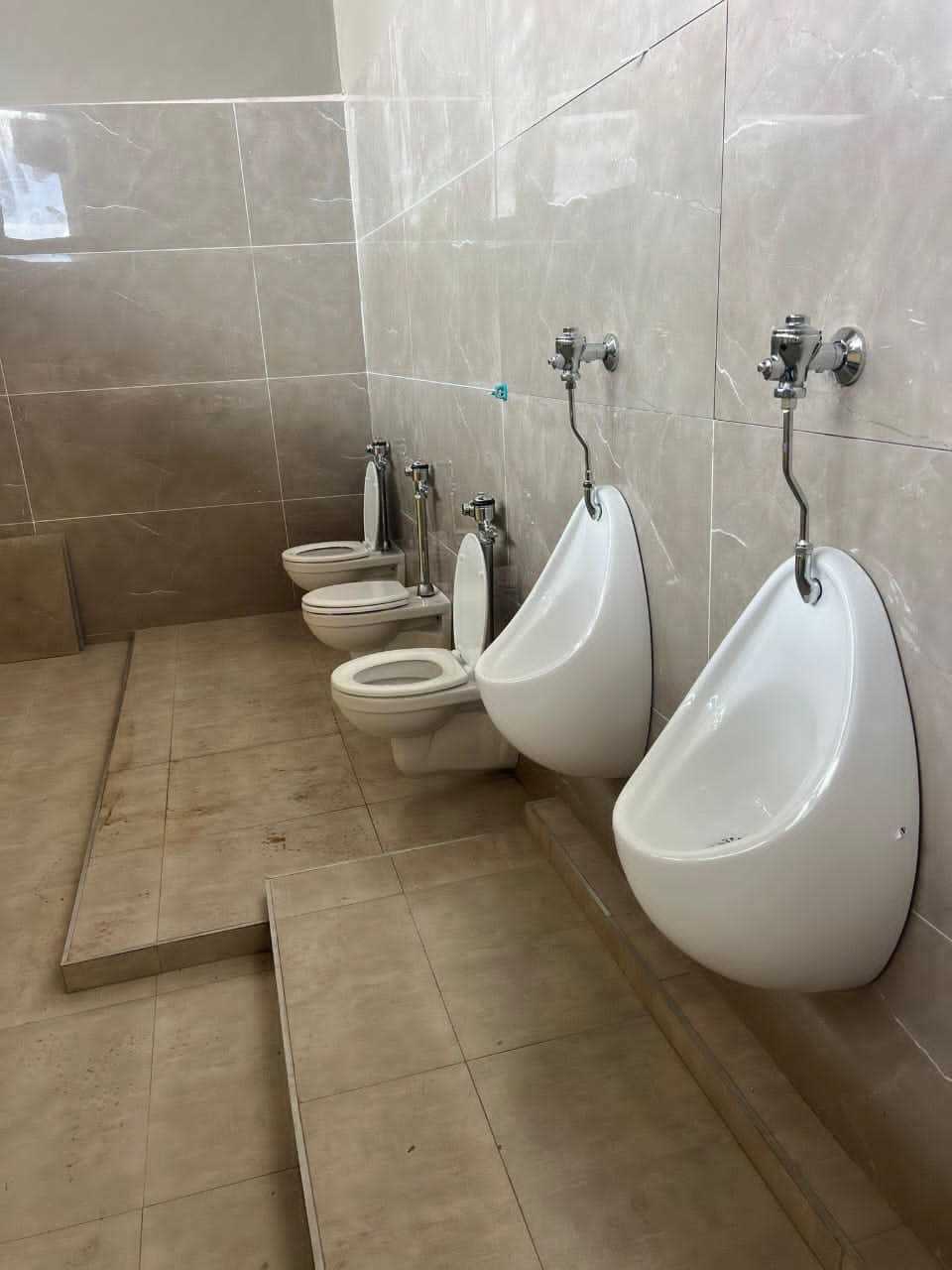
However, attention has now shifted from the football action to the stadium's toilet facilities after images and videos circulated on social media showing toilet chambers and urinals positioned in an open-plan arrangement without cubicles to provide privacy.
The design has triggered widespread debate among supporters and members of the public, with many questioning why basic privacy considerations were not incorporated into a national facility that underwent years of renovation.
Cricket enthusiast Adam Theo was among those who criticised the setup.
"Calling for toilet cubicles in a national stadium is not a demand for 'world-class facilities' , it's a demand for basic human dignity," Theo said.
Related Stories
"There is a tendency in Zimbabwe to treat legitimate criticism as opposition to progress. It isn't. A National Sports Stadium should not require supporters to surrender their privacy in order to use the toilet.
"Refurbishment takes time, yes. But the absence of cubicles is not a complex engineering challenge or a billion-dollar infrastructure project. It is a basic design failure.
"Patriotism should not require lowering standards to the point where the indefensible becomes acceptable." He said
Tawanda Chinyere said the controversy raises important questions about the balance between efficiency and user dignity in public infrastructure.
"For a national sports stadium, which serves as a symbol of national pride and welcomes people from all walks of life, restroom facilities should ideally balance efficiency with privacy and respect for cultural values. Public infrastructure should not only function well but also make users feel comfortable, respected and accommodated," Chinyere said.
"The debate ultimately highlights an important question: Should public facilities prioritize maximum capacity and efficiency, or should greater emphasis be placed on privacy, dignity and cultural expectations? A well-designed stadium should strive to achieve both."
Political activist Denny Africa also weighed in on the debate, arguing that constructive criticism should not be mistaken for a lack of patriotism.
"So people must take a dump while next to each other? I'm full Zanu through and through but defending such things will make us look weak. We must be able to call out our incompetences but still stand with the party. This is wrong," he said.
The toilet controversy is not the only issue that has attracted public attention following the stadium's reopening. Some supporters have complained about unfinished sections of the facility, while others questioned whether all aspects of the renovation meet the expectations created during the multi-million-dollar refurbishment project. Over the years, the renovation programme experienced repeated delays, with reopening deadlines being postponed several times as contractors worked to address CAF requirements and infrastructure deficiencies.








Leave Comments