






Zimbabwe's formal retail sector is facing mounting pressure from weakening consumer spending, currency instability, rising operational costs and growing competition from the informal market, raising concerns about the long-term sustainability of one of the country's key economic sectors.
Economists and business analysts say the challenges confronting major retailers reflect broader structural weaknesses within the economy, with formal businesses increasingly struggling to maintain profitability in a volatile operating environment.
The crisis has reignited debate over the need for a coordinated national strategy to support formal retailers, protect jobs and strengthen domestic supply chains.
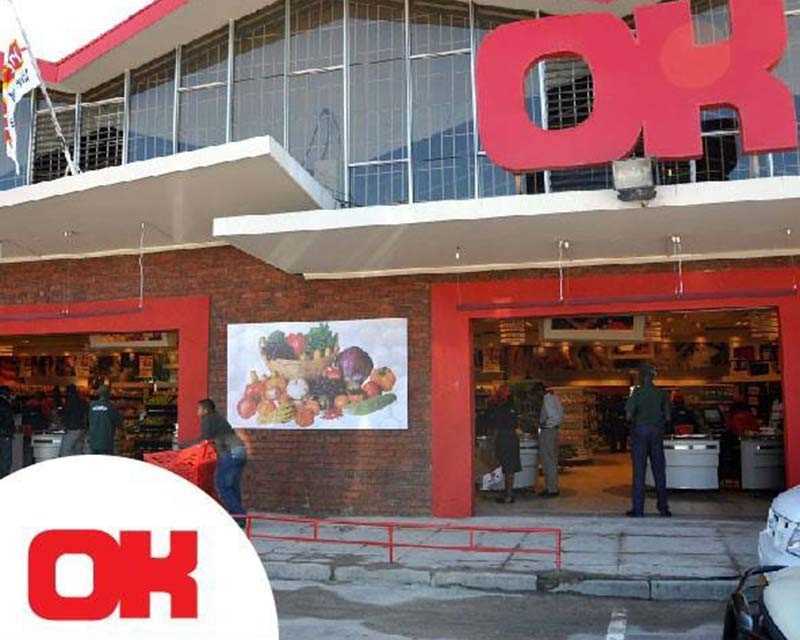
Last month, Zimbabwe Stock Exchange-listed retailer OK Zimbabwe Limited suspended employee salaries and wages with immediate effect as part of measures aimed at stabilising operations under corporate rescue proceedings.
According to a Joint Works Council resolution dated 22 May 2026, the retailer's board resolved in February to voluntarily commence corporate rescue proceedings in terms of Section 122 of Zimbabwe's Insolvency Act following worsening financial difficulties.
The company was subsequently placed under corporate rescue on 24 February 2026, with Grant Thornton Zimbabwe's Bulisa Mbano appointed as the corporate rescue practitioner.
The resolution states that the company agreed with workers to suspend salaries and wages from May 2026 "until further notice" as part of efforts to restore profitability.
Commenting on the state of the retail sector, business consultant and financial expert Manatsa Mazoe said Zimbabwe should not view the decline of major retailers as isolated corporate failures but as indicators of broader economic challenges.
"I refuse to believe that the story of Zimbabwean retail is over," Mazoe said.
"I believe it can be rescued. Not through slogans. Not through blame. But through deliberate action and political will."
Mazoe argued that retail plays a critical role in the economy beyond supermarket shelves, supporting employment, suppliers, transporters, farmers, manufacturers, pension contributions and tax revenues.
Related Stories
"When a major retailer struggles, the effects ripple throughout the entire economy," he said.
Economic analysts say formal retailers have been affected by subdued household incomes and changing consumer behaviour, with many shoppers increasingly turning to informal traders and tuckshops that often offer lower prices and more flexible trading arrangements.
At the same time, formal retailers continue to face high compliance costs, utility charges, taxation obligations and financing constraints that many informal businesses do not encounter on the same scale.
Mazoe described the sector as facing a "perfect storm" of reduced consumer spending power, policy uncertainty, supply chain disruptions and rising operating costs.
He said the growth of the informal economy demonstrated the resilience and adaptability of Zimbabwean entrepreneurs, but stressed the need for policies that create a level playing field for both formal and informal businesses.
Among the measures proposed by Mazoe are greater policy consistency, stronger support for local manufacturing, affordable working capital, retail modernisation, digital transformation and stronger partnerships between retailers, suppliers and government.
"What Zimbabwe needs is not another corporate obituary," he said.
"What Zimbabwe needs is a retail recovery strategy."
Analysts say the outcome of corporate rescue efforts within the retail sector could become an important indicator of the resilience of Zimbabwe's formal economy and the effectiveness of current business recovery mechanisms.
Despite the challenges, Mazoe said Zimbabwe still has the capacity to rebuild a competitive and sustainable retail industry.
"The skills exist. The businesses exist. The entrepreneurs exist. The consumers exist. The opportunity exists," he said.
"What remains is the will to act."





Leave Comments