








The Government of Zimbabwe and United Nations agencies are moving to strengthen domestic financing for nutrition programmes amid growing recognition that malnutrition remains a significant barrier to economic growth, human capital development and national productivity.
At a high-level nutrition meeting held on Tuesday, government officials and development partners aligned around a shared financing agenda aimed at elevating nutrition as a key national development priority.
“Malnutrition slows economic growth, but investing in nutrition delivers high returns,” United Nations Children's Fund Zimbabwe said in a statement.
“At today's high-level meeting, Government and UN Zimbabwe partners are aligning on a shared domestic financing agenda to elevate nutrition as a national development priority.”
The discussions come as Zimbabwe continues efforts to address malnutrition and food insecurity, particularly among children, pregnant women and vulnerable communities affected by economic challenges and climate-related shocks.
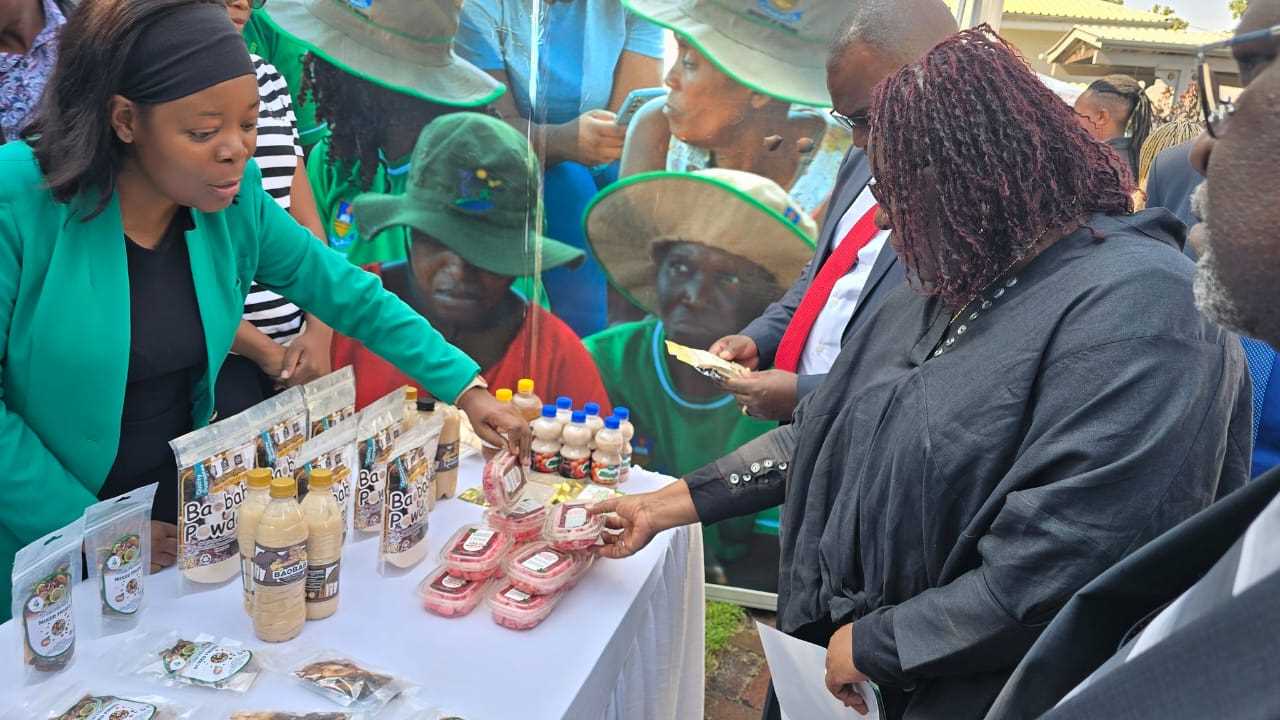
The meeting was attended by Etona Ekole and Deputy Chief Secretary in the Office of the President and Cabinet Paul Bayethe Damasane, who toured exhibition stands showcasing nutrition-focused innovations and food products.
“At the high-level nutrition meeting, UN Nutrition Network Chair Etona Ekole toured the exhibition stands alongside Rev. Paul Bayethe Damasane, Deputy Chief Secretary in the OPC,” UNICEF Zimbabwe said.
“Great to see innovative, health-friendly food products driving Zimbabwe’s nutrition agenda.”
In her closing remarks, Ekole said nutrition should be treated as a national development and economic priority, warning that malnutrition continues to undermine the country's human capital potential.
“Nutrition is not just a health issue—it’s a foundation for human capital, economic growth and national development,” she said.
Ekole highlighted the scale of the challenge facing Zimbabwe, noting that child malnutrition remains widespread despite ongoing interventions.
Related Stories
“With 24% of children stunted and 54% affected by anaemia, Zimbabwe must move from commitment to investment.”
“Investing in nutrition is investing in the future.”
She stressed that tackling malnutrition requires coordinated action across multiple sectors, including health, education, water and sanitation, food systems and social protection.
“Malnutrition is driven by multiple factors, from food systems to health, education, WASH and social protection.”
“Addressing it requires coordinated, multisectoral action with shared accountability.”
“We can deliver better outcomes for every child.”
Ekole also underscored the economic benefits of nutrition spending, arguing that investments in child and maternal nutrition generate significant long-term returns for economies.
“Every $1 invested in nutrition can generate up to $23 in returns, through better learning, productivity and resilience.”
“The call is clear: strengthen domestic investment, accountability and partnerships to deliver results at scale.”
Nutrition experts have increasingly argued that investment in nutrition should be viewed not only as a health intervention but also as an economic strategy, given its impact on education outcomes, workforce productivity and long-term economic performance.
Studies by international development agencies have consistently shown that malnutrition can reduce lifetime earnings, weaken learning outcomes and increase healthcare costs, while investments in nutrition generate significant social and economic returns.
Zimbabwe has in recent years prioritised food and nutrition security through various national strategies and partnerships with development agencies, particularly in response to recurring droughts, food insecurity and child stunting rates that remain among key public health concerns.







Leave Comments