







Transparency International Zimbabwe has raised alarm over deep-rooted accountability gaps in health and education financing in Manicaland Province, warning that chronic underfunding, weak oversight and opaque management of public resources are fuelling corruption and undermining access to essential services.
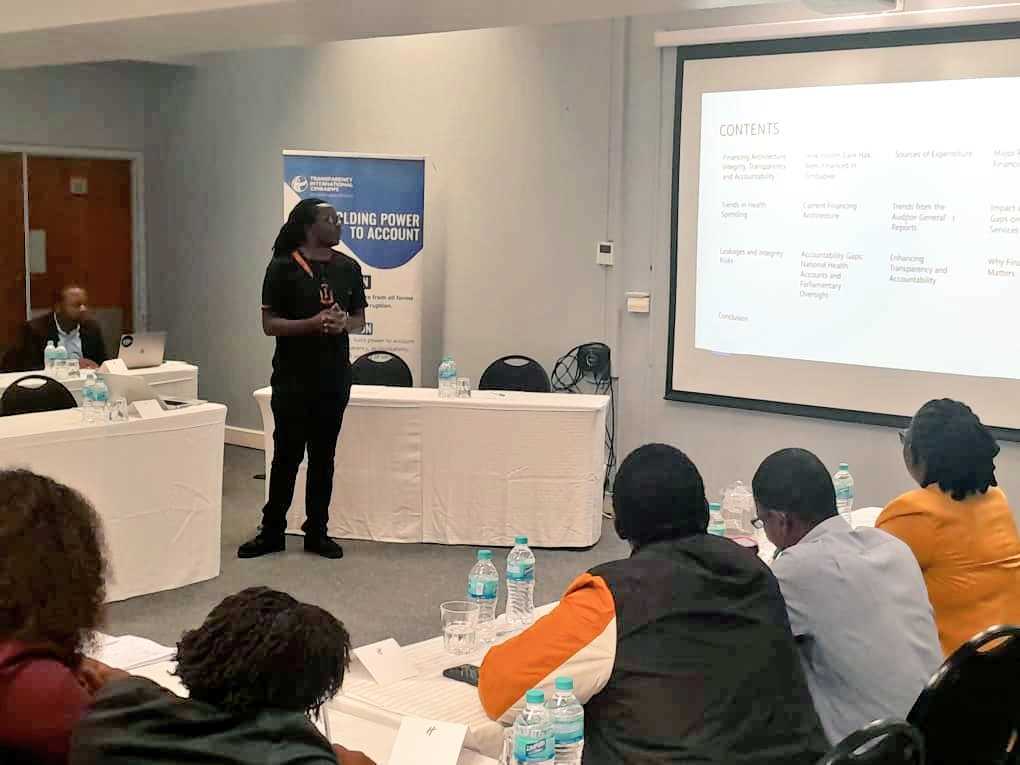
Speaking at a high-level Policy Dialogue Meeting on Health Care Financing and Accountability held in Manicaland on Tuesday, TI Z said persistent shortfalls in public health funding have shifted costs onto households, exposing patients — particularly women and girls in rural and low-income communities — to informal charges, medicine leakages and discriminatory access to critical services such as maternity care.
TI Z officials said growing out-of-pocket payments at clinics and hospitals are not only a symptom of inadequate financing but also a gateway to abuse at service delivery points, where patients are often forced to pay unofficial fees to access drugs or receive timely care.
“Where systems are weak and oversight is limited, corruption thrives, and the poorest pay the highest price,” TIZ representatives said during the dialogue, which brought together government officials, health authorities, civil society organisations, traditional leaders and community representatives.
The meeting forms part of the Inclusive Service Delivery in Africa Project, which TIZ is implementing across five African countries to dismantle corruption barriers in public service delivery, particularly in the health and education sectors.
Related Stories
In a related Community Interface Meeting on education sector accountability, residents in Manicaland cited opaque school finances, informal levies, alleged misuse of School Development Committee funds and limited access to budget information as key challenges affecting learning outcomes.
According to TIZ, these practices disproportionately affect vulnerable learners, including girls, children with disabilities and pupils from low-income households, who are often pushed out of school when families fail to meet undocumented or irregular charges.
During the engagement, TIZ facilitated direct dialogue between communities, education authorities and school administrators, focusing on citizens’ rights to information and participation in school governance. Particular emphasis was placed on strengthening SDCs to improve oversight of school resources and enhance accountability.
TIZ said the twin engagements in Manicaland underscore the urgent need for transparent financing systems and robust community oversight mechanisms to ensure public funds are used for their intended purposes.
“Public resources meant for health and education must translate into services on the ground,” the organisation said, adding that transparency and accountability are critical to restoring public trust and improving outcomes in two of the country’s most vital sectors.
The organisation said it will continue engaging policymakers and communities to advocate for reforms that promote clean financing, equitable access and stronger accountability frameworks in Zimbabwe’s public health and education systems.









Leave Comments