







By evening, when most of the city winds down, Zimbabwe’s viral malls are just closing their shutters. Around 7 p.m.—as neon signs flicker off and vendors drift out—another story emerges. Behind the trending TikTok clips and viral photos lies a complex drama of survival, ambition, and moral strain.
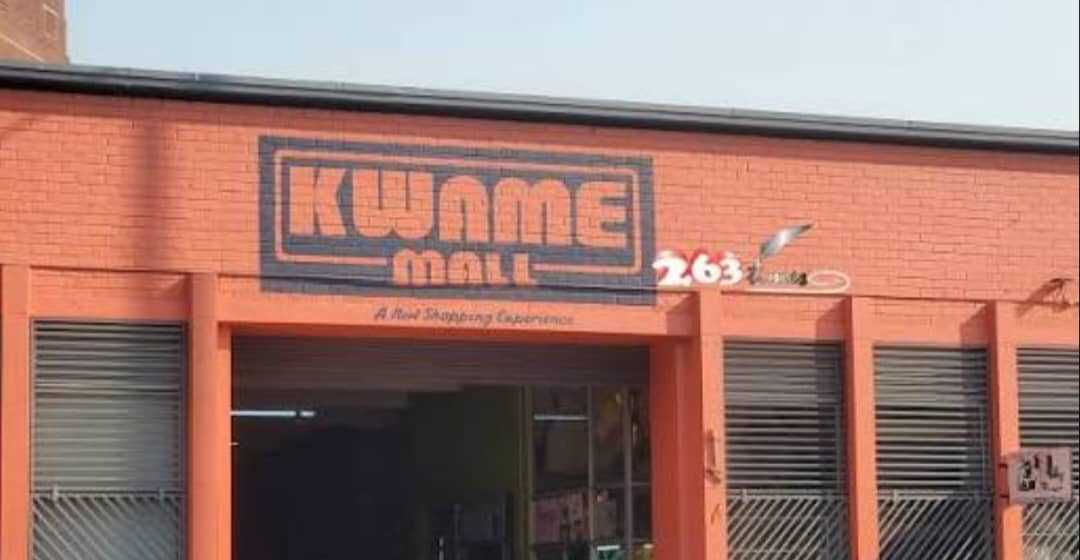
These malls—Century, Kwame, Nicky’s, Zimex, Uptown, and others—have become symbols of hustle culture in a struggling economy. For many young people, they provide a first income, a foot in the informal sector, and hope.
For others, they are spaces where desperation blurs into risk, and where the price of survival is often paid quietly, by the young.
“Keep the change”: When work turns intimate
For some young women, the line between customer and companion has grown dangerously thin. Several vendors describe how malls increasingly double as commercialized spaces for transactional relationships.
At Century Mall, two women in their early 20s shared similar stories, requesting anonymity.
“‘Keep the change’ is how it starts,” one said. “A man pays extra, acts generous, helps with rent, food, groceries… Before you know it, you’re expected to give something back. Some even buy cars.”
What begins as generosity often evolves into intimate arrangements beyond the mall. These relationships sometimes leave young women emotionally dependent, with little room to refuse.
“It’s not always planned,” the second woman added. “Sometimes it’s survival dressed up as love.”
Kuromba and fear behind the counters
Beyond sex work, a quiet fear lingers: black spirit investments—kuromba. Vendors talk of colleagues turning to spiritual means to attract customers, money, and protection in a competitive, overcrowded environment.
“Vanhu vakaromba muma malls umu, vari kutsvaga mari zvisizvo,” said one vendor at Kwame Mall. “We don’t exchange change here because you can lose your money mysteriously.”
Whether belief or paranoia, the fear is real. Some vendors refuse to handle certain notes, avoid exchanging money, or abruptly close stalls when feeling unsafe. In an economy where every dollar counts, suspicion becomes another cost of doing business.
Related Stories
From classroom to counter
Parents and educators are alarmed by a growing trend: school dropouts, particularly among girls, drawn by the lure of quick income. Many leave school to work in malls, often relying on sugar daddies for upkeep.
A former student selling cosmetics said she dropped out after Form Three. “School fees were a problem, and at the mall I could make money immediately,” she said. “But the money alone is never enough.”
Education—once seen as the surest path out of poverty—is increasingly sacrificed for short-term survival.
“Cultural norms have gone to the dogs”
The cultural impact is visible and deeply contested. A group of young men near closing time expressed raw disappointment.
“These girls are wild. They have lost the morals and cultural norms we believe in,” one said. “Seeing them dress like that around 7 p.m., you wonder if they have parents. It feels like walking onto a porn set.”
Another added: “What surprises us is their lifestyle. We hear they don’t earn much, yet they have iPhones, two-bedroom apartments, designer clothes. Where does the money come from?”
Yet the women argue the decay is double-edged.
“Even men are doing it now,” said one vendor. “Boys at Nicky’s Mall, Zimex, and Uptown are sponsored by older women. Male prostitution is real, but no one talks about it.”
The numbers don’t add up.
Economically, mall life is sobering. Tatenda, a vendor in her mid-20s, explained:
“Most of us earn between US$100 and US$150 a month. With transport and lunch at US$3 per day, our total comes to about US$231.”
Yet by night, some of the same vendors are seen at nightclubs, sporting designer labels and carrying the latest iPhones. The mismatch fuels speculation—and stigma.
For many, the explanation lies in side arrangements, risky relationships, and morally complex choices made under economic pressure.
Between hustle and harm
Zimbabwe’s viral malls are more than marketplaces—they mirror a society under strain. They showcase ambition, resilience, and creativity, but also vulnerability, exploitation, and silent desperation.
As shutters roll down each evening, the public sees hustle and glamour. What remains unseen are the negotiations behind survival, the spiritual fears, abandoned classrooms, and the quiet cost paid by those simply trying to get by.








Leave Comments