








Ten sub-Saharan African and South Asia countries are set to benefit from a new test-and-treat programme which will see them receive doses of oral antiviral Covid-19 treatment.
The beneficiaries Zimbabwe, Uganda, Ghana, Kenya, Laos, Malawi, Nigeria, Rwanda, South Africa, and Zambia.
The Quick Start Consortium will partner with ministries of Health in 10 low and middle income countries to provide oral antiviral treatments to high-risk patients.
Other partners include Duke University, Clinton Health Access Initiative (CHAI), Covid Collaborative, and Americares with support from the Open Society Foundations, Pfizer and the Conrad N. Hilton Foundation.
Related Stories
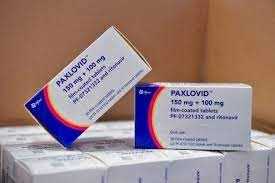
The project will kickstart with Pfizer donation of 100,000 doses of PAXLOVID™ (nirmatrelvir/ritonavir), which the World Health Organisation (WHO) recommended for use in high-risk individuals, administered within five days of symptom onset.
Dr Krishna Udayakumar, the founding director of the Duke Global Health Innovation Centre, said Pfizer will also provide financial support to further the activities of the consortium.
“We have seen throughout the global Covid-19 response that new life-saving interventions such as vaccines and treatments are not quickly reaching those most in need around the world. The Quick Start Consortium is partnering with governments to bring urgently needed medicines to high-risk populations in countries that do not have easy access to such innovations,” Dr Udayakumar said
WHO says the virus has remained a Public Health Emergency of international concern since January 20, 2020.
Dr Neil Buddy Shah, the Chief Executive Officer of CHAI, said the programme would provide governments with catalytic access to drugs and technical assistance to scale up testing and treatment.
Mr Gary Edson, the president of Covid Collaborative, said the consortium will establish a learning network – open to all – across countries and sites.
Christine Squires, the president and CEO of Americares, said: “By expanding access to testing and treatment in low- and middle-income countries, we will be taking a more equitable approach to reduce hospitalisations and severe disease and, ultimately, save lives.”
Mark Malloch-Brown, the president of the Open Society Foundation, said Covid-19 has exposed the massive inequities in the global health system.
“The Open Society Foundation is proud to support the first programme to address the urgent gap in test and treatment availability for Covid-19, and which aims to demonstrate that enhancing timely access to diagnostics and low-cost antivirals can be a viable long-term solution to help end this pandemic,” he said.
Ms Caroline Roan, the senior vice president of Global Health & Social Impact, and Chief Sustainability Officer for Pfizer, said access to medicines in low income countries has always been a challenge.









Leave Comments