








Efforts to tighten oversight in Zimbabwe’s mining sector have highlighted persistent weaknesses in taxation, compliance and environmental regulation, as stakeholders push for stronger legal frameworks anchored on Environmental, Social and Governance principles.
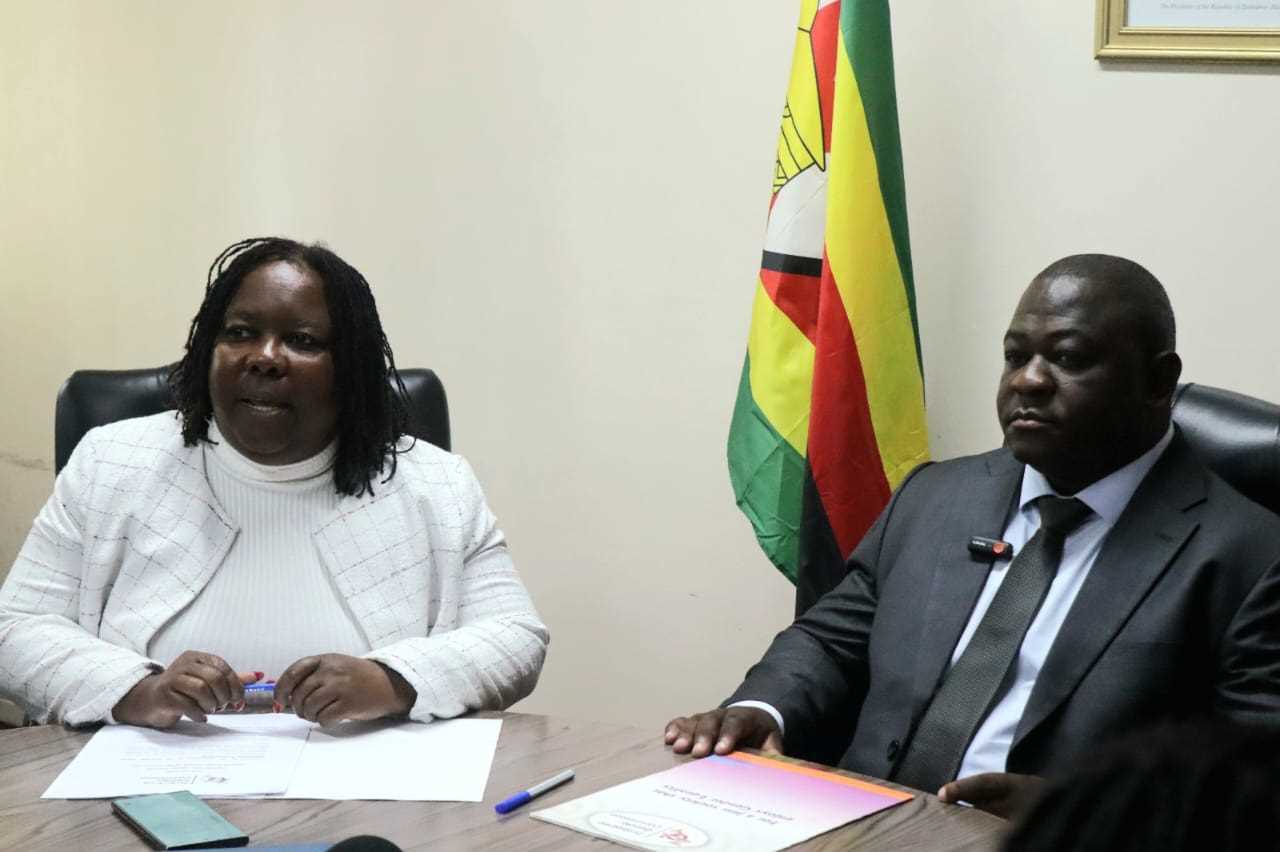
The Zimbabwe Environmental Law Organisation, working with the Attorney General's Office of Zimbabwe and the Zimbabwe Investment and Development Agency, convened a three-day capacity-building training bringing together institutions such as the Ministry of Mines and Mining Development and the Environmental Management Agency.
The initiative focused on strengthening legal oversight in mining investments, particularly around taxation systems, compliance and environmental accountability.
Organisers said the training was aimed at “strengthening legal approaches to sustainable mining,” with discussions covering royalties, profit tax frameworks and fiscal incentives, which remain central to how the country derives value from its mineral resources.
Participants also examined how poorly structured incentives can erode revenue, especially in a sector that is one of Zimbabwe’s largest sources of export earnings but continues to face concerns over leakages.
A key area of concern was illicit financial flows, with stakeholders exploring mechanisms to detect and curb losses across mineral value chains.
Related Stories
The programme highlighted the importance of “identifying and addressing illicit financial flows in mineral value chains,” pointing to long-standing challenges such as under-declaration of exports and weak monitoring systems.
Environmental accountability also featured prominently, with discussions focusing on the role of courts and legal systems in enforcing compliance.
Stakeholders noted the importance of “the role of environmental courts in strengthening mining governance,” particularly as disputes over land degradation and community rights increase.
The training further reviewed mining-related court judgments and legal precedents, reflecting growing recognition that legal enforcement remains a critical gap in the sector.
ZELO said the engagement was designed to “strengthen the capacity of legal practitioners to support more transparent, accountable, and sustainable mining governance in Zimbabwe.”
The initiative reflects a shift towards aligning mining governance with global ESG standards, the discussions underscored deeper structural issues, including limited enforcement capacity, regulatory fragmentation and weak coordination between institutions.








Leave Comments