









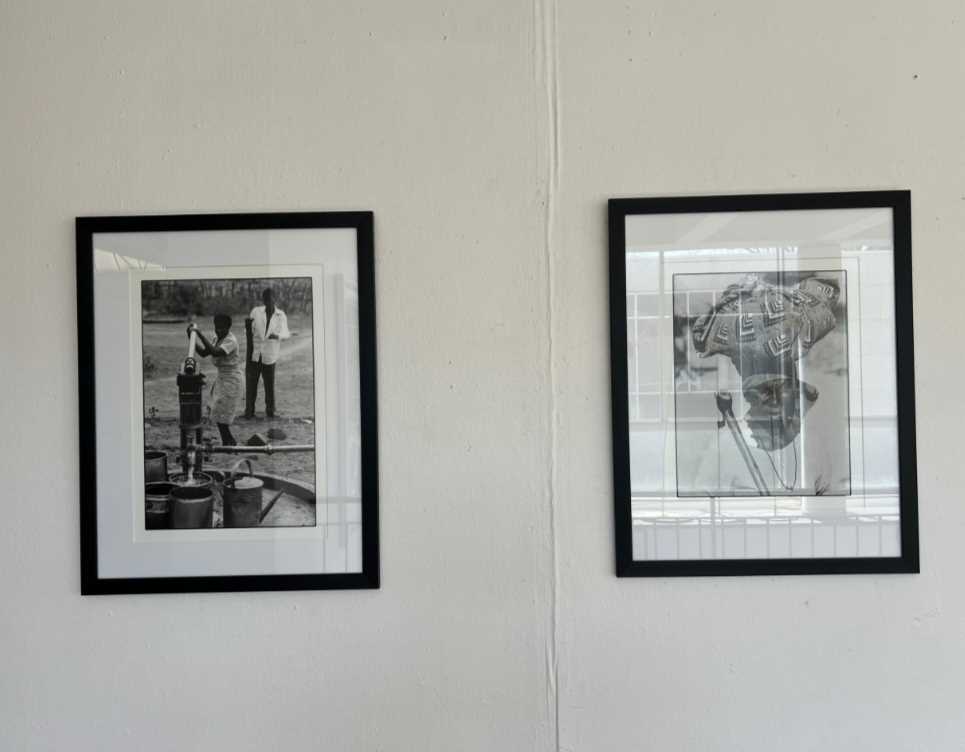
The National Gallery of Zimbabwe hosted a powerful exhibition celebrating the work of late Zimbabwean photographer Chicago Dzviti, whose images captured the soul of the country during a period of social and economic transition.
Titled “Portrait of Zimbabwe / Mifananidzo yeZimbabwe,” the exhibition revisits Dzviti’s remarkable photographic archive, offering a vivid glimpse into Zimbabwean life in the early 1990s. Through portraits and documentary images, the exhibition reflects the country’s cultural vibrancy, struggles and resilience during a pivotal era in its history.
Born in 1961, Dzviti trained in the photojournalistic tradition, but his work extended far beyond conventional reportage. With a keen eye for human stories, he photographed a wide cross-section of Zimbabwean society — from political leaders and musicians to farmworkers, street children and refugees.
His portraits reflect the Shona philosophy “Munhu munhu navanhu” — the belief that a person exists through others. Rather than simply documenting his subjects, Dzviti created moments of connection, capturing the quiet dignity, emotion and individuality of the people he photographed.
Music, particularly mbira, also played a strong role in his work. Dzviti documented some of Zimbabwe’s most celebrated traditional musicians, including Stella Chiweshe and Ephat Mujuru. His images of mbira performances reveal the meditative intensity and spiritual depth of the music, while photographs of instrument makers highlight the intricate craftsmanship involved in creating the iconic instrument.
Related Stories
Through these images, Dzviti preserved an important visual record of Zimbabwe’s musical heritage, capturing both the artistry and the cultural significance of the tradition.
Beyond music, the exhibition explores themes of identity, memory and heritage. Dzviti’s subjects embody the layered history of Zimbabwe — shaped by migration, displacement, resistance and survival. Each portrait reflects the dignity of individuals navigating a rapidly changing society.
Grounded in the African philosophy of hunhu/ubuntu, Dzviti’s photography celebrates humanity and community, reminding viewers of the moral connections that bind individuals together.
More than three decades later, his work continues to resonate. At a time when historical narratives are often contested or forgotten, Dzviti’s photographs serve as a powerful archive of Zimbabwean memory.
Each image in Portrait of Zimbabwe / Mifananidzo yeZimbabwe tells a story — not only about the person in the frame, but about the collective identity of a nation.
Through his lens, Dzviti preserved moments that might otherwise have faded with time, leaving behind a visual legacy that continues to shape how Zimbabwe sees itself.









Leave Comments