






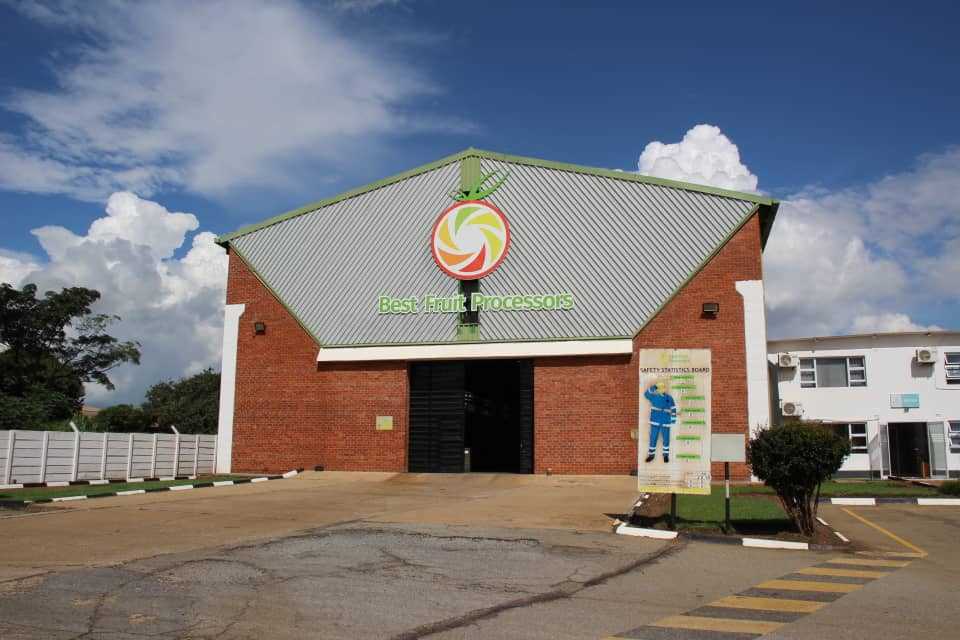
In a major boost to value addition and rural economic transformation, the Agricultural and Rural Development Authority has officially reopened the fully refurbished Best Fruit Processors plant in Norton.
The facility, which had been idle for four years, is now positioned as a key pillar of ARDA’s strategy to drive rural development by providing guaranteed markets for smallholder farmers.
The modernised plant has the capacity to process up to 100,000 kilogrammes of tomatoes into paste per day, or an equivalent volume of fresh fruit into pulp concentrate. Its revival offers a critical and reliable off-take arrangement for Village Business Units (VBUs) and small-scale farmers across the country’s eight farming provinces, directly reducing post-harvest losses while creating stable income streams.
“This is not just about reopening a factory; it is about activating an entire ecosystem,” said ARDA’s director for commercial operations.
Related Stories
“By providing a guaranteed market for processing-grade produce, we are de-risking farming, encouraging higher-value crop cultivation, and ensuring that wealth created in rural areas is retained and multiplied there. This plant is a direct catalyst for agro-industrialisation,” the authority said.
The initiative aligns with the government’s push for value addition and beneficiation within the agricultural sector. By shifting from the sale of raw tomatoes and fruit to processing them into shelf-stable pastes and concentrates, ARDA is capturing more value locally, reducing reliance on imports, and creating skilled employment opportunities in agro-processing.
The Norton plant will primarily source raw materials from ARDA’s network of VBUs and smallholder farmers, establishing an integrated production model in which rural output feeds directly into industrial processing.
This closed-loop system is expected to stimulate rural economies, provide more predictable pricing for farmers, and supply domestic and regional markets with high-quality, locally manufactured food products.









Leave Comments